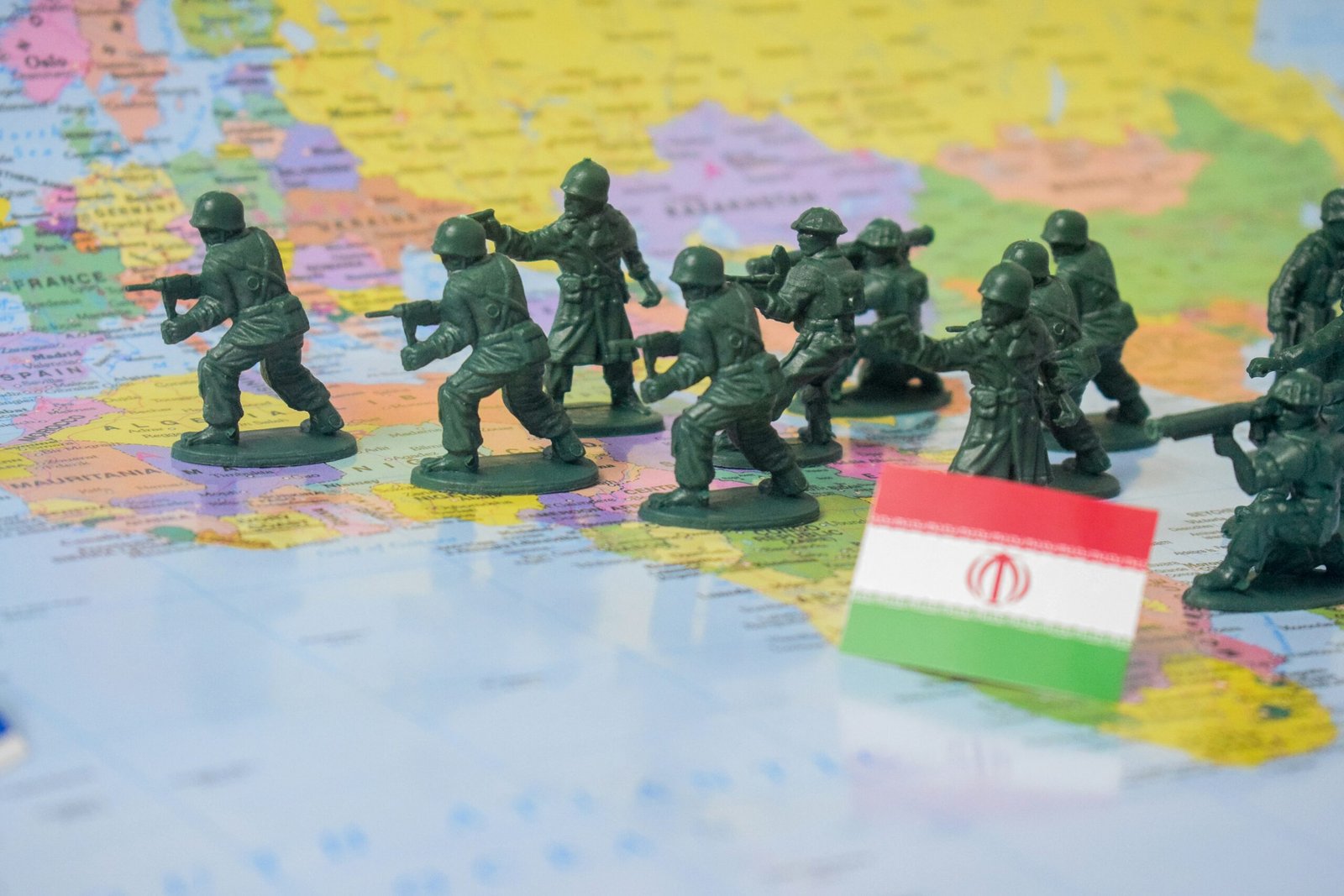
Is iran and israel war over Picture this: diplomats in a back-channel room are finalizing a ceasefire memorandum. At the exact same moment, American and Iranian forces are exchanging fire near the Strait of Hormuz. Not hours apart. Simultaneously.
That is where we are.
No dramatic announcement will change what the situation on the ground actually is a shaky, repeatedly violated truce held together by the mutual exhaustion of both sides, a stack of unfinished diplomatic paperwork, and a U.S. president who hasn’t decided yet whether to sign any of it. Calling this peace would be generous. Calling it progress, carefully, is about right.
How Three Months of War Got Us Here
February 28, 2026 is the date that cracked open the Middle East. U.S. and Israeli forces launched coordinated strikes on Iran killing its Supreme Leader, gutting military sites, and badly damaging its nuclear infrastructure. Tehran didn’t wait to respond. Missiles hit Israeli population centers. American bases across the region were targeted. And then came the move that rattled every finance minister on the planet: Iran closed the Strait of Hormuz, strangling the artery through which roughly a fifth of the world’s oil flows every single day.
Oil markets didn’t just spike. They panicked.
Pakistan and Gulf mediators eventually pushed both sides toward a ceasefire in early April. It held for about as long as you’d expect. Both sides accused the other of violations almost immediately, and Trump extended the truce again in late April, publicly acknowledging that Iranian factions were still arguing among themselves about whether to accept anything at all. As of this weekend, Israel is running fresh airstrikes in southern Lebanon, Hezbollah has been firing on northern Israel, and U.S. forces struck Iranian drone positions earlier this week. The “ceasefire” is functioning, if we’re being honest, more as a speed limit than a hard stop.
What shifted on May 28 was ambition. Negotiators from both countries reached what officials are calling a preliminary memorandum of understanding a framework for a 60-day truce extension that would, if finalized, set the stage for actual peace talks and put the nuclear question at the center of the agenda.
A Shift in Ambition
What shifted on May 28 was ambition. Negotiators from both countries reached what officials are calling a preliminary memorandum of understanding a framework for a 60-day truce extension that would, if finalized, set the stage for actual peace talks and put the nuclear question at the center of the agenda.
What the Donald Trump Ceasefire Actually Says
Strip away the White House framing and what you’re left with is a document that is more scaffolding than building.
According to multiple U.S. officials who spoke to Axios and PBS NewsHour, the memorandum has four main elements. The ceasefire extends by 60 days. The Strait of Hormuz reopens to international shipping Washington’s non-negotiable economic baseline. Iran commits in principle to not building a nuclear weapon. And both sides agree to negotiate separately on what happens to Iran’s existing stockpile of highly enriched uranium.
That last point is where things get genuinely thorny.
What’s missing from the deal matters as much as what’s in it. Treasury Secretary Scott Bessent was blunt on May 28: sanctions relief for Iran is essentially off the table for now, or would proceed at a crawl. Iran’s ability to sell oil freely which Tehran has made clear it considers a minimum requirement for any lasting agreement stays frozen. The fate of Iran’s ballistic missile program, its decades-long network of regional proxies, the longer-term future of its civilian nuclear capacity none of that gets resolved in a memorandum. All of it gets punted to future rounds of negotiation that haven’t started yet.
One senior U.S. official summed it up with disarming candor: “This is an agreement to get everybody to the table. We will work out the details in the negotiations.”
Fine. But details are where Middle East diplomacy goes to die.
What the Deal Leaves Out
Gaps in the agreement matter as much as what’s actually in it. Treasury Secretary Scott Bessent was direct on May 28: sanctions relief for Iran is off the table, or would move at a crawl. Tehran’s ability to sell oil freely which Iranian officials have made clear is a minimum condition for any lasting deal stays frozen. The fate of Iran’s missile program, its network of regional proxy forces, and the future of its civilian nuclear capacity are all pushed to future rounds of talks that haven’t started yet.
One senior U.S. official captured the situation plainly: “This is an agreement to get everybody to the table. We will work out the details in the negotiations.”
Fine. But details are where Middle East diplomacy goes to die
Three Reasons the Iran and US Agreement Could Still Fall Apart
Start with Trump. JD Vance confirmed Thursday evening that a tentative deal exists, then immediately undercut the momentum by telling reporters, “It’s hard to say exactly when or if the president’s going to sign.” Trump has publicly declared he isn’t satisfied with current terms. He wants Iran to hand over its highly enriched uranium before ink goes on anything. He has also floated demands reportedly including Iranian normalization with Israel that no Iranian negotiator has come anywhere near accepting. Negotiators may have drafted the iran and us agreement. But Trump hasn’t signed it, which makes it a Word document.
Iran's Divided Leadership
Then there’s Tehran’s internal fracture. The White House isn’t pretending otherwise officials privately confirm that deep divisions run through Iran’s leadership. Revolutionary Guard hardliners and segments of the clerical establishment view meaningful nuclear concessions as something close to surrender. The strikes didn’t just kill Iran’s Supreme Leader they shattered the cohesive governing institution that entered this war. Power is redistributing in real time, and the men sitting across the table in Muscat or Rome may lack the authority to deliver what they’re promising.
The Uranium Nobody Knows What to Do With
Iran reportedly holds enough highly enriched uranium to build several weapons. Deciding what to do with it who takes custody, what inspection system applies, over what timeline is not a technical or logistical question. It’s a core national security question that goes to the heart of how Iran sees its own survival. Some analysts have floated China or Russia as possible third-party custodians. Neither has committed to that role, and frankly, neither country has an obvious reason to help Washington reach a clean outcome here.
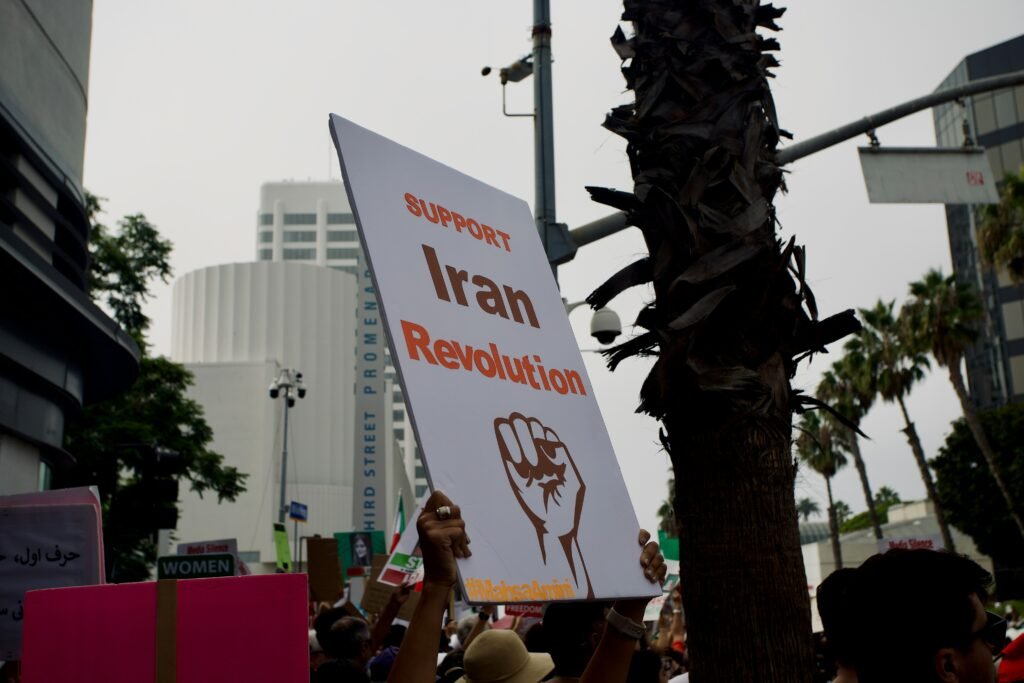
What Peace Would Actually Need to Look Like
A real end to this conflict not a pause, not another rolling extension would have to address things the current framework deliberately sidesteps.
Iran needs a clear, working path back to international oil markets. That’s not a bargaining chip. It’s a basic requirement for any Iranian government trying to hold a fractured country together after months of war. Washington needs lasting, verifiable limits on Iran’s nuclear program, not a temporary freeze that the next government can undo. Israel, whose strikes last year triggered the open conflict, will push hard on Iran’s regional footprint Hezbollah’s rearmament, weapons moving into Gaza, the broader web of influence Tehran has spent three decades building.
Is iran and israel war over
None of these goals are impossible to reconcile. They were reconciled, however imperfectly, in 2015. Doing it again will take the kind of slow, unglamorous diplomatic work that doesn’t fit on a Truth Social post and that the current U.S. administration has shown limited patience for.
The Strait of Hormuz is open. The shooting has mostly stopped. For global markets, that’s already worth something oil prices have eased from their wartime highs, and shipping lanes are moving again.
But here is the uncomfortable truth: whether this pause becomes the foundation for something real depends less on what any memorandum says than on whether leaders in Washington, Tehran, and Jerusalem are genuinely willing to absorb the domestic political pain that compromise demands. Every concession Iran makes will be called capitulation by hardliners at home. Every concession Trump makes will be called weakness by his base. Every deal Israel accepts will face scrutiny from a public that has been living under missile fire.
This article reflects reporting current as of May 31, 2026.