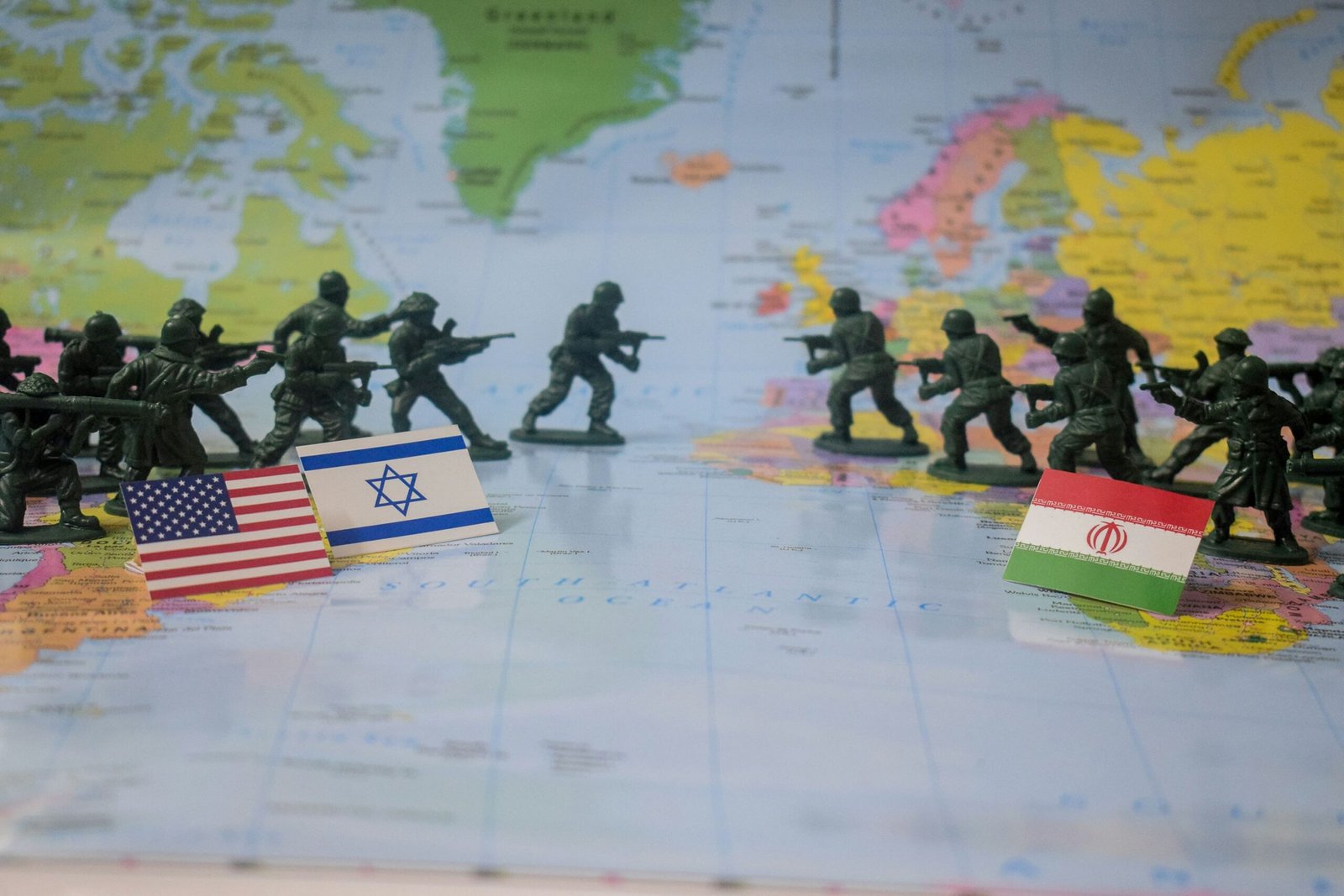
Iran War Escalates Again
The Iran War has entered another dangerous phase as fighting between the United States and Iran has intensified again, raising fresh concerns about the Middle East, global energy markets and the future of the Strait of Hormuz.
The latest escalation comes after a month long period of reduced military activity. U.S. forces launched new strikes against Iranian targets, while Iran responded with attacks reaching several U.S. aligned countries in the Gulf.
But this is no longer a conflict that can be viewed only through the lens of Washington and Tehran.
The consequences are spreading far beyond Iran.
Oil markets are watching every development around the Strait of Hormuz. Shipping companies are facing greater risks. Gulf countries are being pulled closer to the conflict. And ordinary people are once again paying the price of a war that shows few signs of reaching a quick conclusion
So, what is happening in the Iran War right now, and why does it matter to the rest of the world?
What Is Happening in the Iran War?
The latest phase of the conflict began after U.S. forces carried out new attacks against Iranian military infrastructure.According to reports, American forces targeted systems connected to Iran's military capabilities, including air defenses, radar and maritime assets.The situation then expanded.Iran launched attacks against targets in or connected to U.S. aligned Gulf states, including Kuwait and Bahrain. Saudi Arabia has also accused Iran of attacking an oil tanker, an incident that reportedly killed two sailors.This matters because the conflict is increasingly becoming a regional security crisis, rather than a simple confrontation between two countries.
Why the Strait of Hormuz Matters
One of the biggest reasons the world is watching the conflict so closely is the Strait of Hormuz.The narrow waterway sits between Iran and Oman and is one of the world's most important energy routes.A prolonged disruption could affect: Oil supplies Fuel prices Global shipping Transportation costs Food prices Inflation International tradeRecent reports indicate that shipping through the strait remains significantly disrupted, while energy prices have come under pressure.This is why a military incident in the Gulf can quickly become an economic problem in Europe, North America and other parts of the world.
The Iran War Is Becoming an Economic Crisis
Wars are not fought only with missiles and aircraft.They are also fought through economic pressure.The United States has combined military action with sanctions and other economic measures designed to pressure Tehran. The Trump administration is attempting to squeeze Iran economically while maintaining military pressure.Iran, meanwhile, has strong incentives to use its geographic position to increase pressure on its opponents.The result is a dangerous cycle:Military strike → retaliation → shipping disruption → higher energy prices → economic pressure → further escalation.Breaking that cycle will be much harder if both sides continue to believe that military pressure can produce a better negotiating position.
Record Fuel Prices Raise Global Concerns
The economic consequences are already becoming visible.In the United States, diesel prices reached a record average of $5.85 per gallon on September 4, according to Associated Press reporting, as the six-month conflict continues to disrupt global fuel flows.That matters because diesel is not only used by private drivers.It powers trucks, agricultural machinery, construction equipment and parts of the industrial supply chain.When diesel becomes more expensive, the cost of transporting products increases.Eventually, consumers can feel those costs through higher prices.
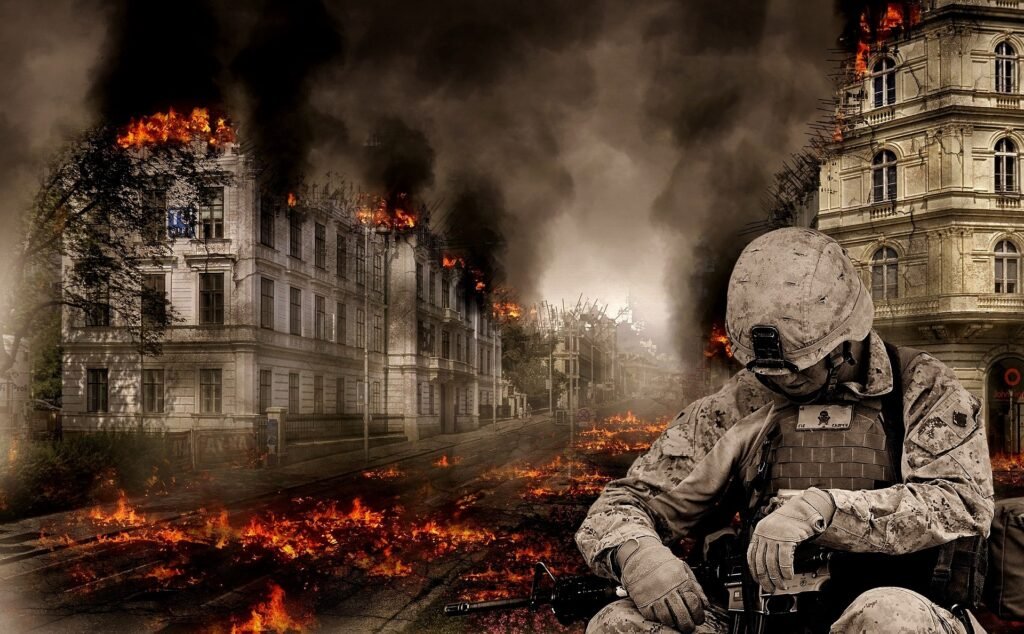
A Wedding Strike Has Added Another Dangerous Dimension
Perhaps the most emotionally powerful development in the latest escalation has been the reported strike near a wedding gathering in Iran.Iranian authorities said a U.S. strike hit an area near a wedding in the southern part of the country, killing civilians and injuring others.The United States has said the incident is being investigated. U.S. officials have not accepted Iran's characterization of the event as an intentional attack on civilians.Independent visual and satellite analysis cited by Reuters has raised questions about whether a U.S. made munition directly hit the location.That distinction matters enormously.In any war, accusations of civilian casualties can rapidly change public opinion and increase political pressure on governments.
Why Gulf Countries Are Becoming Part of the Crisis
Another major concern is the growing involvement of countries surrounding Iran.Iran has launched attacks toward U.S. aligned states in the Gulf following the latest American strikes. Kuwait and Bahrain have reported Iranian attacks, while Saudi Arabia has condemned an attack involving an oil tanker.This creates a difficult situation for Gulf governments.They may not want a direct war with Iran.At the same time, many maintain close security relationships with the United States.That puts them in the middle of a strategic contest they did not necessarily choose.The Risk of a Wider Middle East CrisisThe biggest danger is not necessarily one single attack.It is miscalculation.Imagine a situation where: The U.S. attacks an Iranian military target. Iran retaliates against a U.S. partner. That country responds. Another military installation becomes involved. Shipping is disrupted. More countries become involved.At that point, controlling escalation becomes extremely difficult.This is how regional wars can expand faster than diplomats can contain them.
Why Civilian Casualties Could Change the Conflict
Military operations are often presented in terms of targets, weapons and strategy.
civilians experience war very differently.A wedding, a family home or a local community has nothing to do with military maps or strategic objectives from the perspective of ordinary people.If civilian casualties continue to rise, political leaders in the United States and Iran could face increasing pressure to change their approach.That could either encourage diplomacycor produce an even more aggressive response.
What Does the United States Want?
Washington's strategy has increasingly combined military and economic pressure.The U.S. has sought to limit Iran's ability to threaten American forces and regional allies while using sanctions and economic pressure to force Tehran toward a broader agreement.But there is a major problem.Military pressure can weaken an opponent without necessarily convincing that opponent to surrender politically.Iran has shown that it is willing to retaliate rather than simply absorb attacks.That means Washington faces a difficult choice:Continue increasing pressure, or search for a diplomatic exit.Neither option is simple.
What Does Iran Want?
Iran's calculations are equally complicated.Tehran wants to protect its military capabilities, preserve its influence in the region and avoid accepting an agreement that it considers a strategic defeat.At the same time, the Iranian economy is under enormous pressure.The longer the conflict continues, the greater the cost becomes.Iran therefore has to balance two competing objectives:Survival through resistance versus relief through negotiation.That tension will likely shape the next stage of the conflict.
Could the Iran War Become a Global Crisis?
Yesbut that outcome is not inevitable.The biggest global risk is the combination of energy disruption and military escalation.If shipping through the Strait of Hormuz remains heavily restricted, global energy markets could face further pressure.Countries that depend heavily on imported energy would feel the impact.Higher energy costs could then contribute to inflation, putting pressure on central banks and governments.In other words, a conflict that begins in the Middle East can eventually affect:Energy → Transportation → Food → Inflation → Interest rates → Global growth.That is why investors and governments far outside the region are watching the conflict closely.
What Happens Next?
The next few weeks could be extremely important.There are three broad possibilities.
1. The Conflict Escalates:
The first possibility is further military escalation.More U.S. strikes could trigger additional Iranian retaliation, potentially involving Gulf states and shipping routes.This would be the most dangerous scenario.
2. Both Sides Return to Negotiations
The second possibility is diplomacy.Behind-the-scenes negotiations could eventually produce a framework that reduces military activity.This would require both Washington and Tehran to accept compromises.
3. A Long Period of Limited Conflict
The third possibility may actually be the most realistic.Instead of a clear victory or peace agreement, the region could experience repeated strikes, temporary pauses and renewed escalation.That kind of conflict is difficult because it keeps uncertainty alive for months.
Why the World Should Pay Attention
The Iran War is not simply another distant geopolitical confrontation.It sits at the intersection of military power, global energy, international trade and regional security.The Strait of Hormuz makes the conflict especially important. Civilian casualties are increasing political pressure. Gulf states are becoming increasingly exposed. And the economic effects are already appearing in fuel markets.The biggest question is no longer simply who will win the war.The bigger question is:Can the United States and Iran find a way to stop the conflict from becoming a much larger regional and global crisis?For now, the answer remains uncertain.What is clear is that the cost of escalation is no longer being felt only in Iran or the Middle East.It is reaching fuel markets, shipping lanes and economies around the world.And unless diplomacy catches up with military escalation, the Iran War could remain one of the most important geopolitical stories shaping the global economy and international politics.
How the Iran War Is Affecting Global Shipping
The conflict is creating serious problems for international shipping. The Strait of Hormuz remains one of the most important maritime routes in the world, and traffic through the waterway is still far below its normal level.Recent maritime reporting says shipping activity remains heavily disrupted, even though some vessels are continuing to pass through the strait. Some companies are also looking for alternative routes to move energy supplies.For shipping companies, the problem is not only whether a vessel can physically cross the waterway. Insurance costs, security risks, delays and uncertainty can all make a journey much more expensive.
Why Shipping Companies Are Worried
less supply and higher transportation costs.
A commercial ship does not operate in isolation. A disruption in one major route can affect ports, refineries, suppliers and consumers across several countries.If the risk becomes too high, companies may decide that sending ships through the area is simply not worth the cost.That could create another problem for global markets: less supply and higher transportation costs
What the World Is Watching Now
There are several developments that could determine the next phase of the crisis:
1. Strait of Hormuz ShippingMarkets will closely watch whether commercial shipping increases or falls further.
2. Oil PricesA sustained rise in crude prices could increase inflationary pressure around the world.
3. U.S. Military OperationsAny new American strikes could trigger another Iranian response.
4. Iranian RetaliationThe scale and location of future Iranian attacks will be critical to determining whether the conflict remains contained.
5. Diplomatic TalksEven limited negotiations could provide a path toward reducing tensions
Final Outlook: A Conflict With Global Consequences
The Iran War has developed into something much larger than a conventional military confrontation.It is now connected to global energy markets, international shipping, aviation, regional security and inflation.The situation remains highly fluid. Recent fighting has again disrupted the relative calm that existed for roughly a month, while the Strait of Hormuz remains under significant pressure.The coming weeks will be critical.If the United States and Iran return to serious negotiations, the pressure on markets and regional governments could begin to ease.But if military escalation continues, the consequences could become much more difficult to contain.For the rest of the world, the message is simple: what happens around the Strait of Hormuz does not stay around the Strait of Hormuz. It can influence the price of fuel, the cost of shipping and the health of the global economy.That is why the Iran War remains one of the most important geopolitical stories to watch right now.
If the United States and Iran return to serious negotiations, the pressure on markets and regional governments could begin to ease.
Related News

Oil price surge today

Germany AfD Election
Iran War

One Comment