US dollar surge 2026
Wednesday, Aprail 15 , 2026 Trusted by millions worldwide Back to News Finance Dollar Surge 2026: Currency Strength Pressures Global...
Read More → 
Wednesday, Aprail 15 , 2026
Trusted by millions worldwide
US dollar surge 2026 On the trade side, a stronger dollar makes American exports more expensive for foreign buyers, which can reduce demand for US-made goods and services.
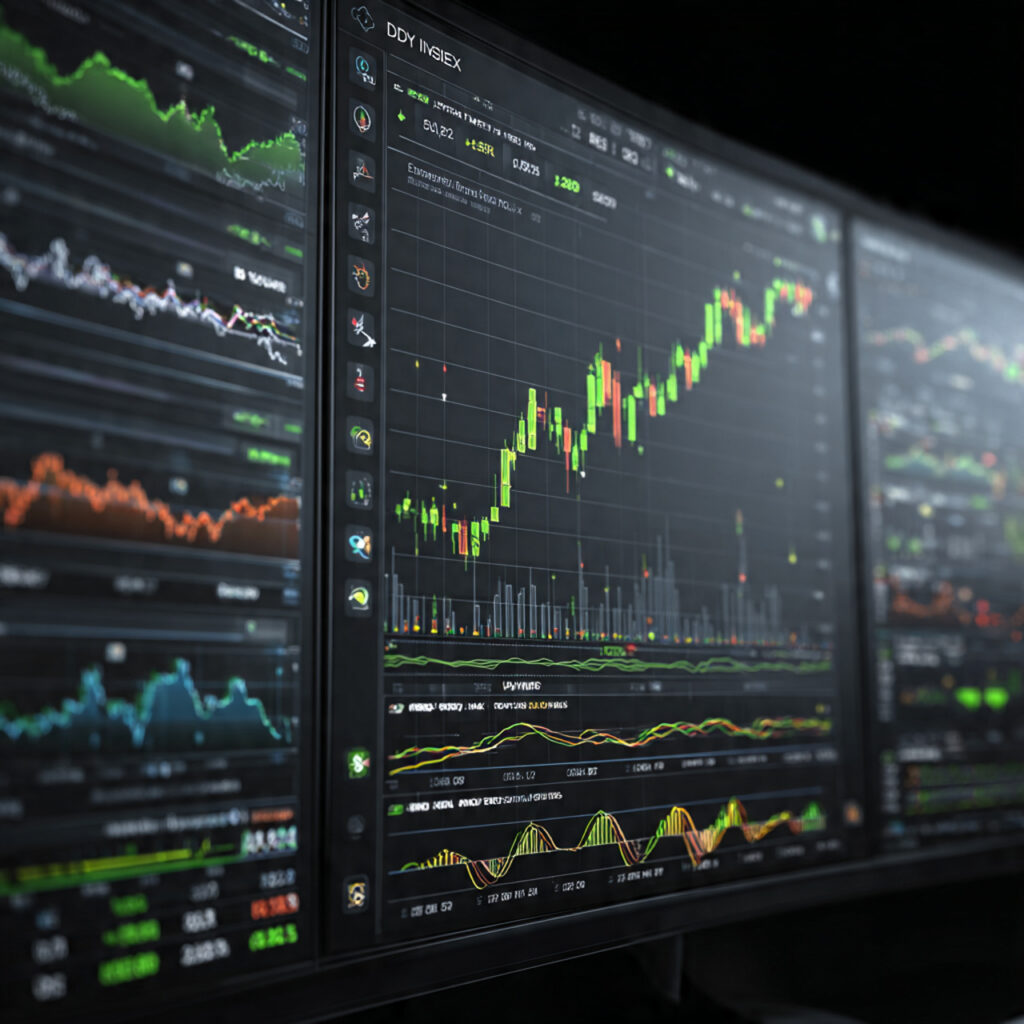
The US dollar surge of 2026 has pushed the greenback to its strongest level in years, rattling financial markets from Nairobi to Jakarta. As of April 15, 2026, the US Dollar Index (DXY) has climbed sharply, driven by the Federal Reserve’s commitment to keeping interest rates elevated while other major central banks ease or pause their own tightening cycles. The ripple effects are being felt across global trade, emerging market economies, and international investment portfolios.
US dollar surge 2026 The strength of the US dollar in 2026 comes down to one core dynamic: interest rate divergence. The Federal Reserve has maintained its benchmark federal funds rate in the 5.25–5.50% range, reflecting its priority of controlling persistent inflation. Meanwhile, the European Central Bank has begun cutting rates, and the Bank of Japan continues to operate with historically low yields.
When US bonds offer higher returns than comparable bonds in Europe, Japan, or the United Kingdom, global investors naturally move capital into dollar-denominated assets. This surge in demand for US Treasury bonds, equities, and money market funds drives up demand for the dollar itself, pushing its value higher on global currency exchanges.
Geopolitical uncertainty has also played a role. Ongoing instability in parts of Europe and the Middle East has reinforced the dollar’s status as the world’s premier safe-haven currency. During periods of global risk, investors historically shift toward US assets, which further accelerates the dollar’s rise.The DXY Dollar Index: By the Numbers
The DXY Index, which measures the dollar against a basket of six major currencies, has risen approximately 8–12% since early 2025. This represents one of the more significant multi-quarter appreciation cycles in recent memory, comparable to the dollar’s strengthening in 2014 2015 and again in 2022.

For developing economies, a strong US dollar creates a painful squeeze. Most international commodity trade including oil, wheat, and metals is priced in dollars. When the dollar appreciates, the cost of these essential imports rises for countries that earn revenues in weaker local currencies.
Countries in Sub-Saharan Africa, South and Southeast Asia, and Latin America are particularly exposed. Many of these nations carry government debt denominated in US dollars, meaning that a stronger dollar increases their effective debt burden without any change in the underlying loan terms.
Central banks in emerging markets are now facing a difficult choice: raise their own interest rates to defend their currencies (which risks slowing domestic growth) or allow their currencies to depreciate (which risks importing inflation). Neither option is painless.
Several emerging market currencies have declined meaningfully against the dollar in 2026. Currencies of countries with large current account deficits or heavy commodity import dependence have been under the most pressure. The IMF and World Bank have both flagged concerns about debt sustainability in lower-income nations as dollar strength compounds existing fiscal challenges.
Impact on Global Trade and Multinational Companies
A stronger dollar has a direct and measurable impact on US companies that earn revenues internationally. When profits earned in euros, yen, or pounds are converted back into dollars, they are worth less than they were a year ago. This “translation effect” has begun showing up in first-quarter 2026 earnings reports, with several large US multinationals flagging foreign exchange headwinds.
On the trade side, a stronger dollar makes American exports more expensive for foreign buyers, which can reduce demand for US-made goods and services. This is a concern for manufacturers, agricultural exporters, and the technology sector, all of which compete in price-sensitive international markets.
Conversely, Americans and US businesses that import goods benefit from the stronger dollar, as imports become relatively cheaper.

For investors, the key question is whether the Federal Reserve will signal any shift in its rate posture at upcoming meetings. Any hint of rate cuts or a more dovish tone could quickly reverse some of the dollar’s recent gains, as capital would begin flowing toward higher-yielding alternatives.
The following indicators are worth tracking closely:
Federal Reserve FOMC meeting statements and press conferences
US inflation data (CPI and PCE) for March and April 2026
DXY Dollar Index weekly close levels
Emerging market central bank intervention announcements
IMF and World Bank reports on external debt sustainability
Gold prices are also worth monitoring. Historically, gold and the dollar move inversely, and any shift in dollar momentum is often reflected first in precious metals markets.
The 2026 dollar surge has reignited a longstanding debate about the sustainability of dollar hegemony in global finance. Several countries including members of the BRICS bloc have accelerated discussions about conducting bilateral trade in local currencies to reduce dependence on the dollar. However, analysts note that the infrastructure for any credible alternative reserve currency remains years, if not decades, away from maturity.
For now, the dollar’s dominance appears structural. US financial markets remain the deepest and most liquid in the world, US Treasuries are still the benchmark for global risk-free rates, and the Federal Reserve’s credibility as an inflation-fighting institution gives investors confidence in the currency’s long-term stability.
The US dollar surge of 2026 is not simply a financial headline it is a stress test for the global economy. While American consumers and investors may benefit in the short term from a strong currency, the broader picture is more complicated. Emerging markets face real pain, global trade faces friction, and multinational companies must navigate an increasingly challenging earnings environment.
The path forward depends largely on how quickly and how credibly the Federal Reserve pivots toward monetary easing. Until that shift becomes clear, the dollar is likely to remain the dominant force in global financial markets, and its strength will continue to redefine economic conditions for countries and companies worldwide.