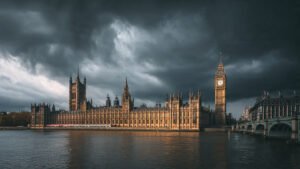
HMS Dragon delay Kemi Badenoch Tory criticism defence controversy
Saturday, May 2, 2026 Trusted by millions worldwide Back to News Politics Kemi Badenoch brands HMS Dragon delay as ‘the...
Read More → Saturday, May 2, 2026
Trusted by millions worldwide
Ed Miliband Chancellor speculation Labour pressure Starmer While no official changes have been confirmed, the political conversation reflects growing tension and expectation within the party as it prepares for future governance challenges.
Ed Miliband Chancellor speculation Labour pressure Starmer Speculation around a possible future role for Ed Miliband has intensified in British political circles, as internal pressure builds on Keir Starmer. Discussions about potential cabinet reshuffles, leadership strategy, and economic direction have placed renewed attention on Labour’s internal dynamics.
While no official changes have been confirmed, the political conversation reflects growing tension and expectation within the party as it prepares for future governance challenges.
The Labour Party is facing increased scrutiny over its leadership structure and policy direction.
Key sources of pressure include:
These factors are contributing to speculation about possible leadership adjustments.
Ed Miliband remains a prominent figure within the Labour Party, particularly known for his focus on climate and energy policy.
Key areas of influence:
His expertise keeps him relevant in policy discussions.
Although no official confirmation exists, speculation about senior Labour figures taking on major economic roles has increased.
Contributing factors:
These discussions are common during periods of political transition.
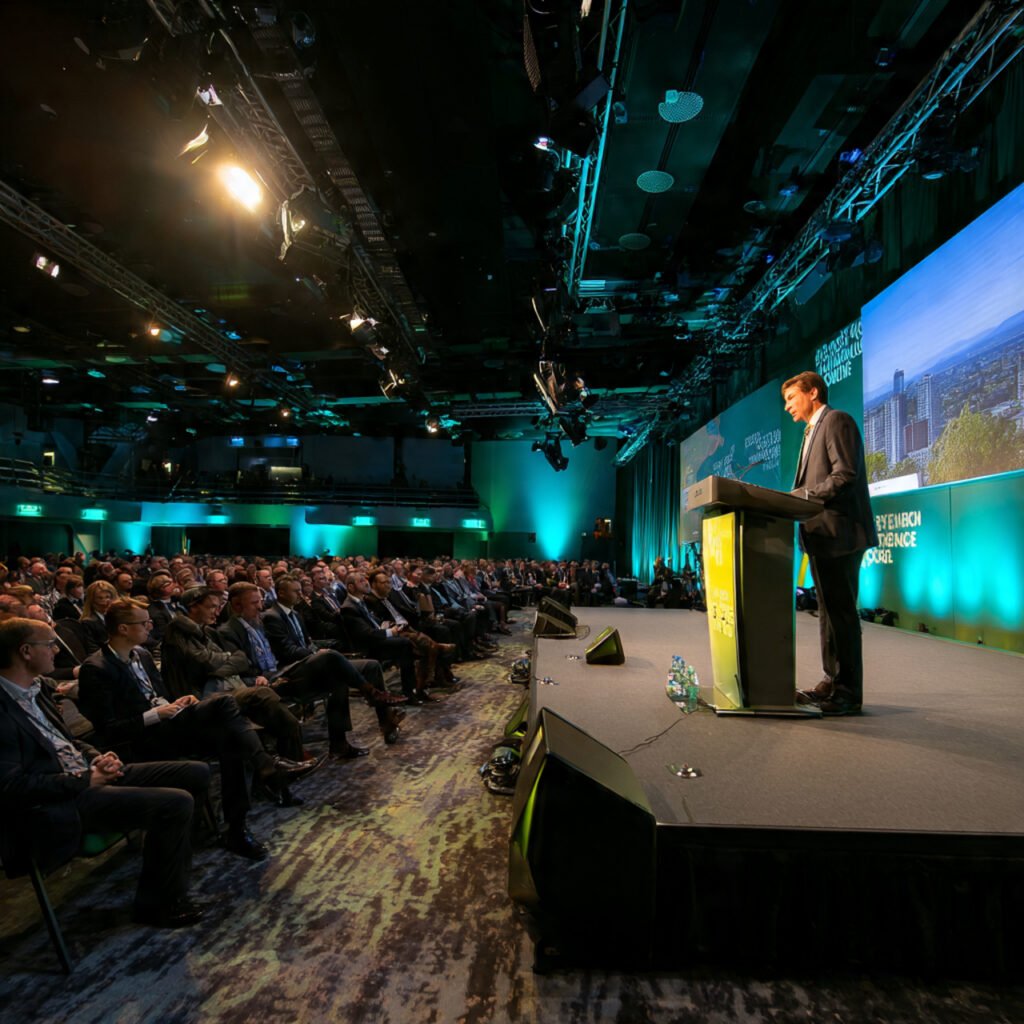
As party leader, Keir Starmer is under growing pressure to maintain unity and present a strong governing team.
Key challenges:
Leadership decisions are increasingly scrutinized.
The Labour Party has a long history of internal debate over leadership roles and policy direction.
Current dynamics include:
These dynamics shape political speculation.
Ed Miliband’s background in energy and climate policy makes him a key figure in one of the most important policy areas.
Key issues:
Energy policy remains central to UK politics.
Any future Labour government will face significant economic pressures.
Key challenges:
These issues influence leadership decisions.
Media coverage plays a major role in shaping political speculation.
Key effects:
Narrative often drives political momentum.

Talk of potential cabinet reshuffles is common in UK politics, especially during periods of transition.
Possible motivations:
However, no formal changes have been announced.
Public perception of Labour leadership is crucial for political stability.
Key factors:
Voters often respond to perceived stability.
Positions such as Chancellor are central to government credibility.
Importance includes:
This makes speculation highly sensitive.
Labour has previously experienced leadership reshuffles during periods of transition.
Historical patterns:
These precedents shape current expectations.

The future direction of Labour leadership will depend on multiple factors.
Key influences:
Leadership stability remains a key priority.
Speculation around a potential senior economic role for Ed Miliband highlights the growing internal pressures within the Labour Party as it navigates political and economic challenges. Under the leadership of Keir Starmer, discussions about cabinet roles and future strategy reflect broader questions about direction, unity, and readiness for governance.
While no official changes have been confirmed, the conversation underscores the dynamic and often unpredictable nature of UK party politics.