
Wilson election test One Nation challenge Australia analysis
Saturday, May 2, 2026 Trusted by millions worldwide Back to News Politics More work to do’: Wilson passes first election...
Read More → Saturday, May 2, 2026
Trusted by millions worldwide
HMS Dragon delay Kemi Badenoch Tory criticism defence controversy The controversy has placed naval readiness, procurement delays, and political accountability at the centre of public discussion.
HMS Dragon delay Kemi Badenoch Tory criticism defence controversy A political storm has erupted in the UK after Kemi Badenoch described delays involving HMS Dragon as “the most embarrassing thing” to happen, triggering heated debate within Westminster. The comments come as the Conservative Party faces renewed criticism, with opponents labelling parts of the party as “arsonists” in a broader political clash over defence spending and national capability.
The controversy has placed naval readiness, procurement delays, and political accountability at the centre of public discussion.
HMS Dragon is one of the Royal Navy’s Type 45 destroyers, designed for advanced air defence and maritime security operations.
Key roles of the ship include:
Delays or operational issues with such vessels raise concerns about defence readiness.
Kemi Badenoch’s criticism of the HMS Dragon delay has intensified political debate around defence procurement and government accountability.
Her remarks highlighted:
The statement quickly became a focal point in parliamentary discussions.
The controversy has exposed divisions within the Conservative Party.
Key issues include:
These tensions are shaping the broader political narrative.

Opposition figures escalated the debate by describing elements of the Conservative Party as “arsonists,” suggesting internal damage to governance and public trust.
This rhetoric reflects:
The language has intensified public attention.
The HMS Dragon issue is part of a wider pattern of defence procurement challenges in the United Kingdom.
Common issues include:
These challenges affect overall military readiness.
The Royal Navy plays a critical role in UK national security and international operations.
Key responsibilities:
Operational delays can have strategic consequences.
The debate has raised questions about government accountability in defence spending.
Public concerns include:
These issues often influence public trust.
UK defence budgets face competing demands.
Key pressures:
These pressures shape procurement decisions.
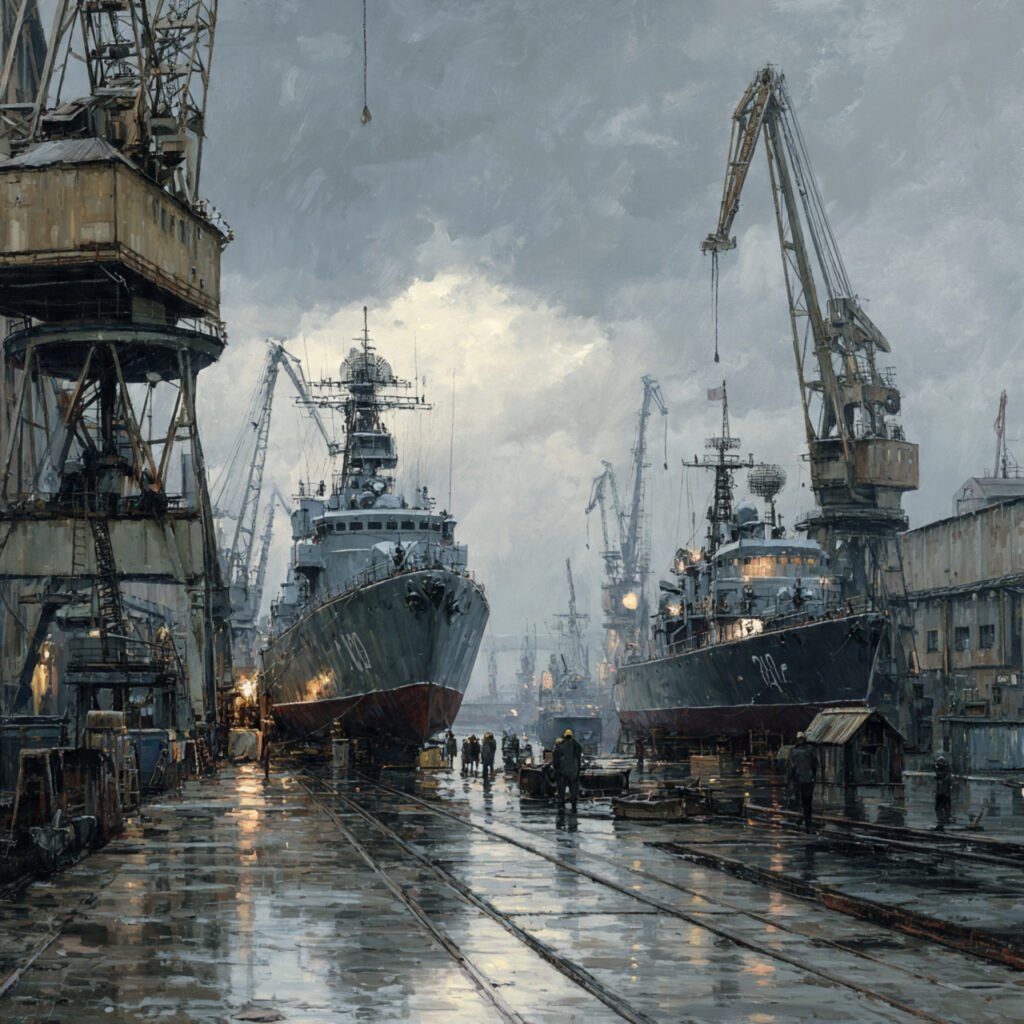
Media attention has amplified the HMS Dragon controversy.
Effects include:
Media plays a major role in shaping perception.
The UK has faced previous challenges with defence procurement delays.
Common historical patterns:
These issues are not new to the system.
Naval strength remains a key pillar of UK defence strategy.
Importance includes:
Ships like HMS Dragon contribute to this strategy.
The controversy may have longer-term political implications.
Possible outcomes:
Defence issues often influence voter sentiment.
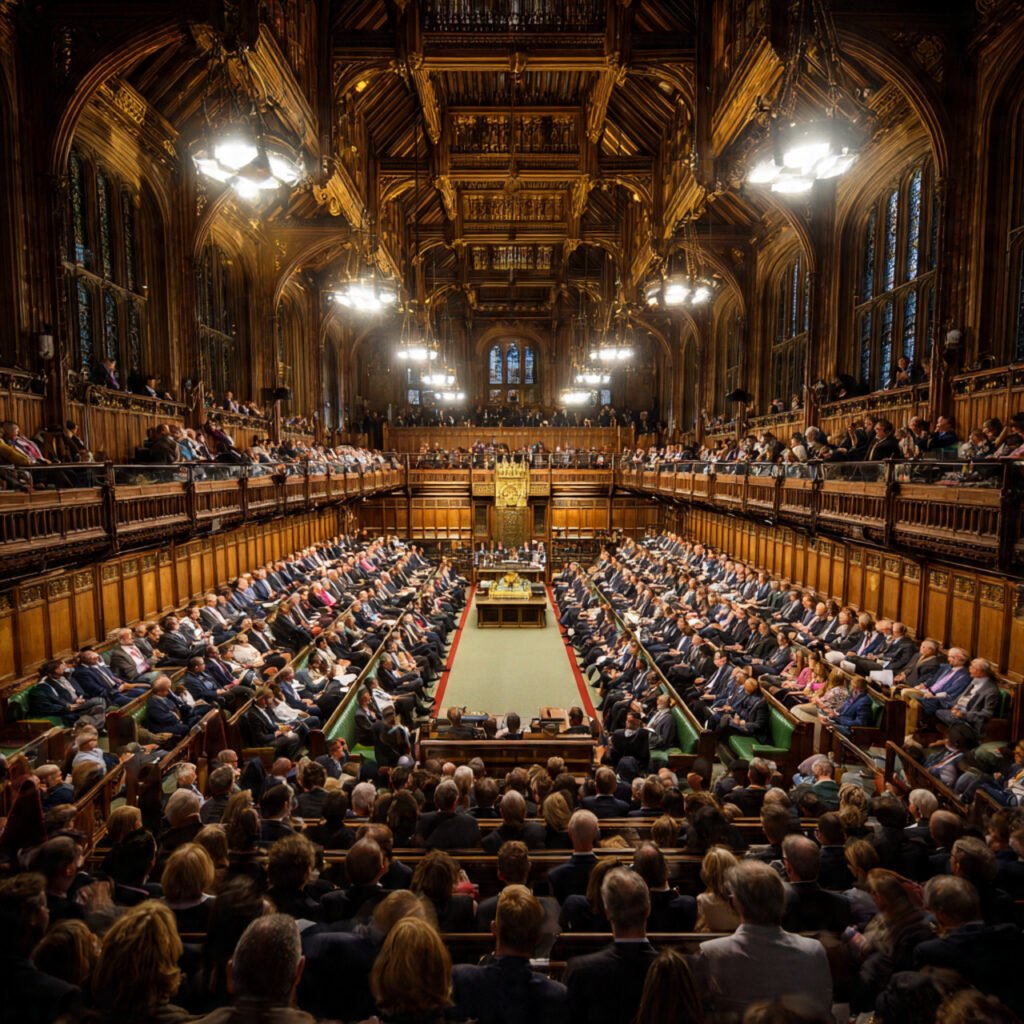
Public opinion on defence spending is often divided.
Common perspectives:
This shapes political discourse.
The criticism by Kemi Badenoch over the HMS Dragon delay has intensified an already heated debate in UK politics. Combined with accusations and internal party tensions, the issue has highlighted broader concerns about defence procurement, naval readiness, and government accountability.
As discussions continue in Westminster, the controversy underscores the challenges facing Britain’s defence system and the political consequences of operational delays in critical military assets.