
HMS Dragon delay Kemi Badenoch Tory criticism defence controversy
Saturday, May 2, 2026 Trusted by millions worldwide Back to News Politics Kemi Badenoch brands HMS Dragon delay as ‘the...
Read More → Saturday, May 2, 2026
Trusted by millions worldwide
Mars panoramas Curiosity Perseverance rovers These panoramas allow scientists to analyze terrain features over large areas, offering insights into how Mars evolved over billions of years
Mars panoramas Curiosity Perseverance rovers NASA’s Mars exploration program has reached another visually stunning milestone, as both the Curiosity and Perseverance rovers deliver breathtaking panoramic images of the Martian surface. These high-resolution views provide not only dramatic visuals but also critical scientific data that is helping researchers better understand Mars’ geological history and its potential to have once supported life.
These panoramas allow scientists to analyze terrain features over large areas, offering insights into how Mars evolved over billions of years.
The Curiosity rover has been exploring Gale Crater since 2012, focusing on understanding the planet’s climate and geology.
Key contributions:
Curiosity’s panoramic images often highlight layered rock formations that suggest Mars once had lakes and flowing water.
The newer Perseverance rover is exploring Jezero Crater, a site believed to have once contained a river delta.
Its mission includes:
The panoramas from Perseverance reveal intricate details of delta formations, supporting the theory of past water activity.
Both rovers are equipped with highly advanced imaging systems that make these panoramas possible.
Key technologies:
These systems combine hundreds of images to create a single seamless panorama.
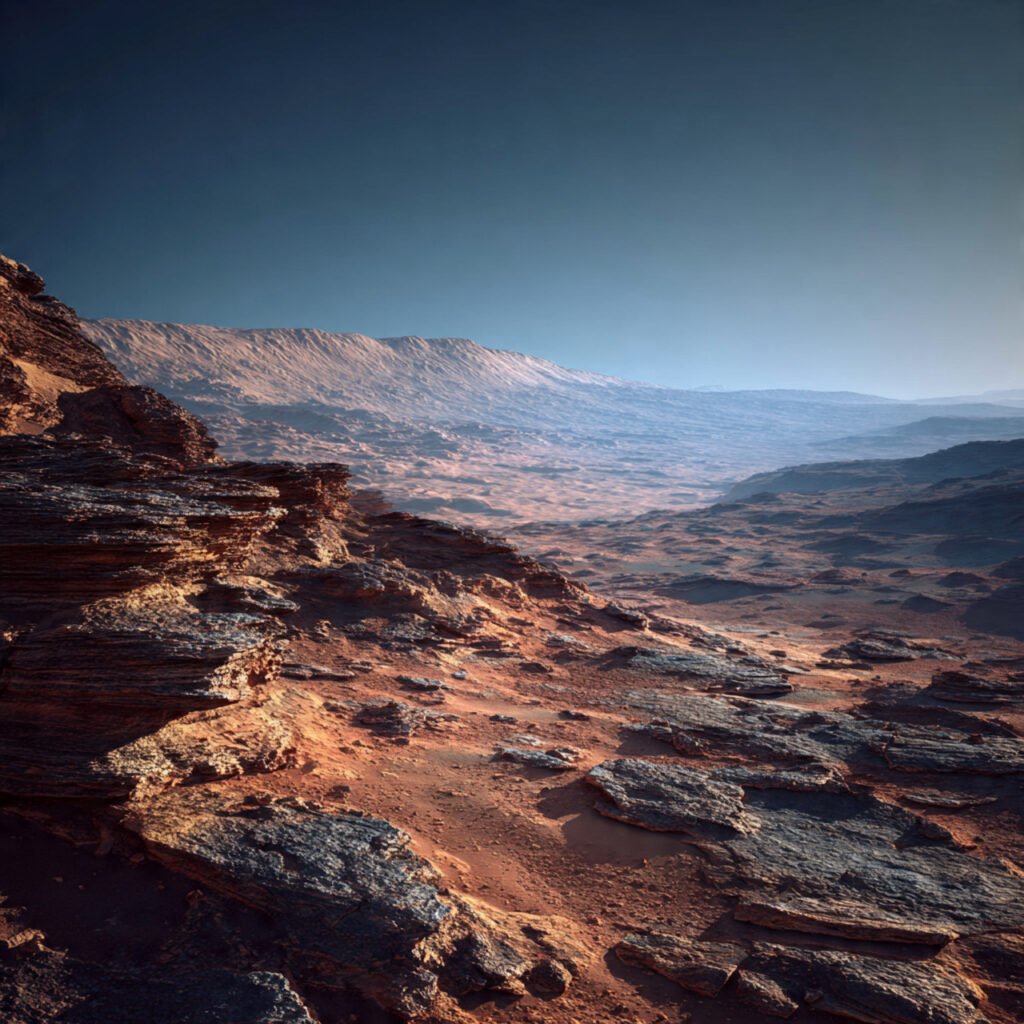
Panoramic images are not just visually impressive—they are essential tools for scientific research.
They help scientists:
This data contributes directly to mission success.
One of the most significant findings supported by these panoramas is evidence that Mars once had liquid water.
Indicators include:
These findings strengthen the hypothesis that Mars may have supported life in the past.
While both rovers explore Mars, their missions and discoveries differ.
Curiosity:
Perseverance:
Together, they provide a more complete picture of Mars.
Capturing panoramic images on Mars is a complex process.
Challenges include:
Despite these challenges, NASA continues to produce remarkable results.
Mars panoramas have captured the imagination of people worldwide.
Why they matter:
These images bring Mars closer to Earth.
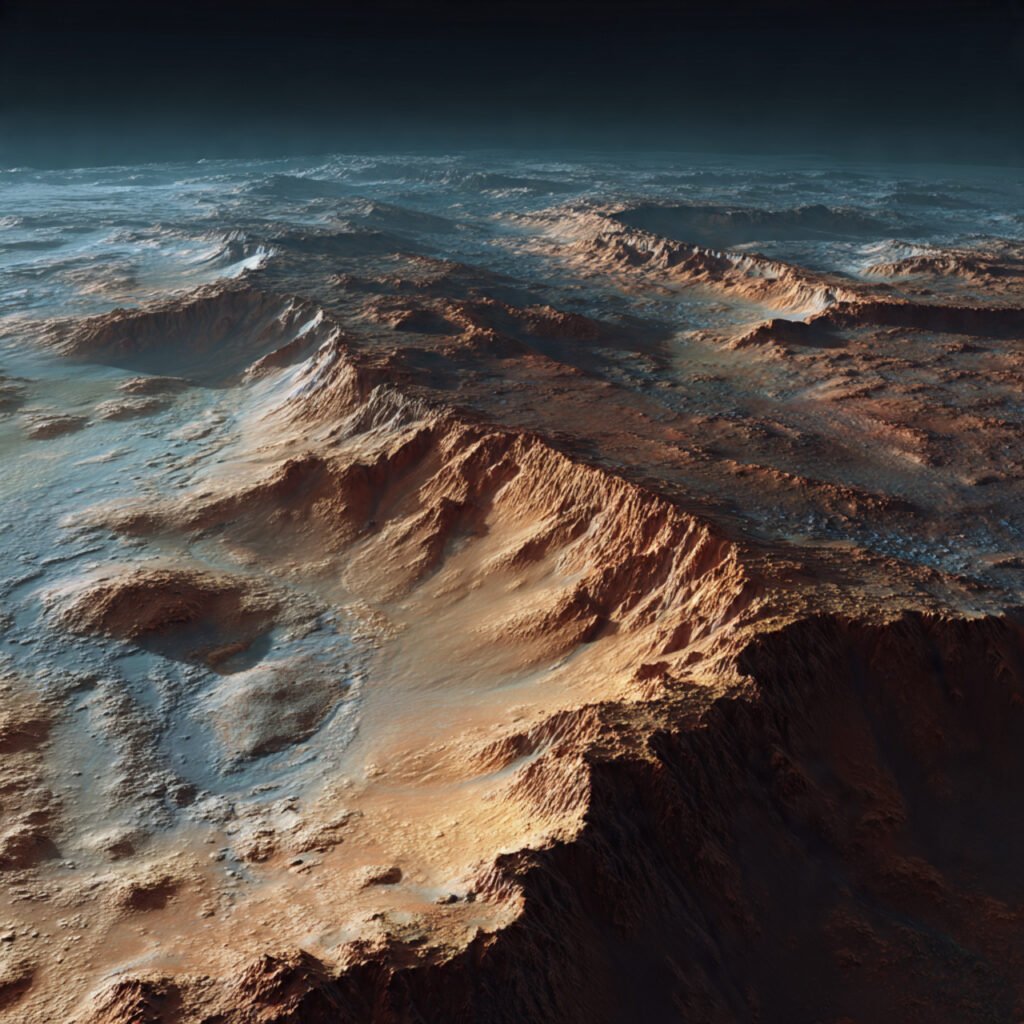
The success of Curiosity and Perseverance is paving the way for future missions.
Upcoming goals:
Panoramic imaging will remain a key tool.
Each panorama adds to a growing database of Mars observations.
Scientists use this data to:
The cumulative impact is significant.
NASA collaborates with scientists worldwide to analyze Mars data.
Key aspects:
This collaboration enhances discoveries.
Mars remains one of the most important targets for space exploration.
Key reasons:
The planet continues to offer answers to fundamental questions.
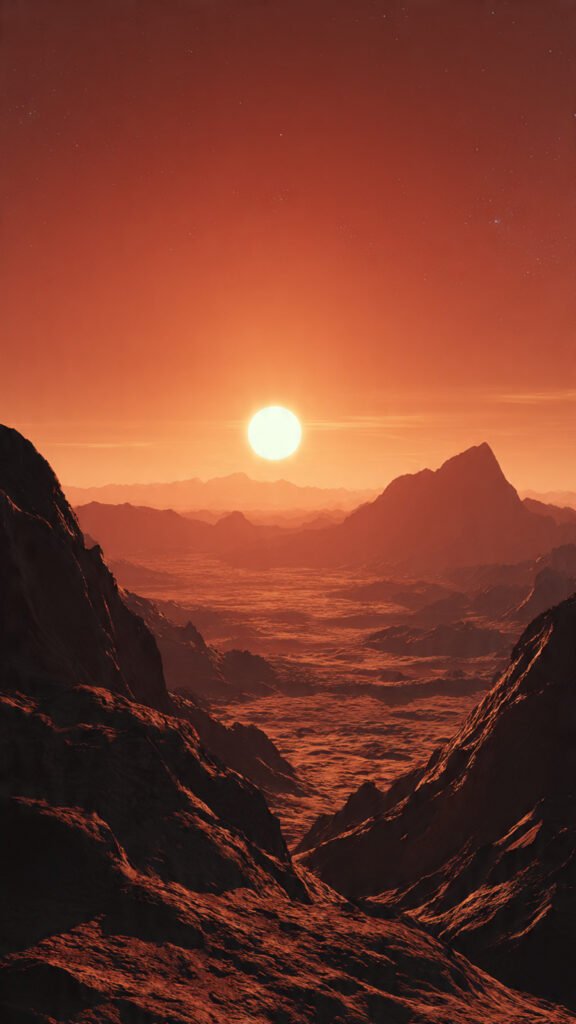
The sweeping panoramas captured by NASA’s Curiosity rover and Perseverance rover represent a remarkable achievement in space exploration. Beyond their visual appeal, these images provide crucial insights into Mars’ geological history, climate, and potential for life.
As technology advances and exploration continues, these panoramic views will remain at the forefront of scientific discovery, helping humanity better understand not just Mars, but the broader universe.