HMS Dragon delay Kemi Badenoch Tory criticism defence controversy
Saturday, May 2, 2026 Trusted by millions worldwide Back to News Politics Kemi Badenoch brands HMS Dragon delay as ‘the...
Read More → Saturday, May 2, 2026
Trusted by millions worldwide
Trump government ownership US companies Spirit Airlines This stance has sparked debate among policymakers, economists, and industry observers, raising questions about when and why government intervention in private markets is considered appropriate.
Trump government ownership US companies Spirit Airlines In a surprising twist in U.S. economic policy discussions, Donald Trump has expressed openness to the idea of the federal government taking ownership stakes in certain American companies—while notably declining to pursue such an approach with Spirit Airlines.
This stance has sparked debate among policymakers, economists, and industry observers, raising questions about when and why government intervention in private markets is considered appropriate.
Government ownership of private companies is not traditionally associated with the U.S. economic model, which is largely based on free-market capitalism. However, in times of crisis, the government has occasionally intervened to stabilize key industries.
Examples include:
These actions are typically framed as necessary to prevent broader economic collapse.
Donald Trump has indicated that, under certain conditions, government ownership could be considered as a strategic tool.
Key aspects of this position:
This reflects a pragmatic rather than ideological approach.
Despite the openness to government ownership, Spirit Airlines was not considered a candidate for such intervention.
Possible reasons include:
This suggests a selective approach to intervention.
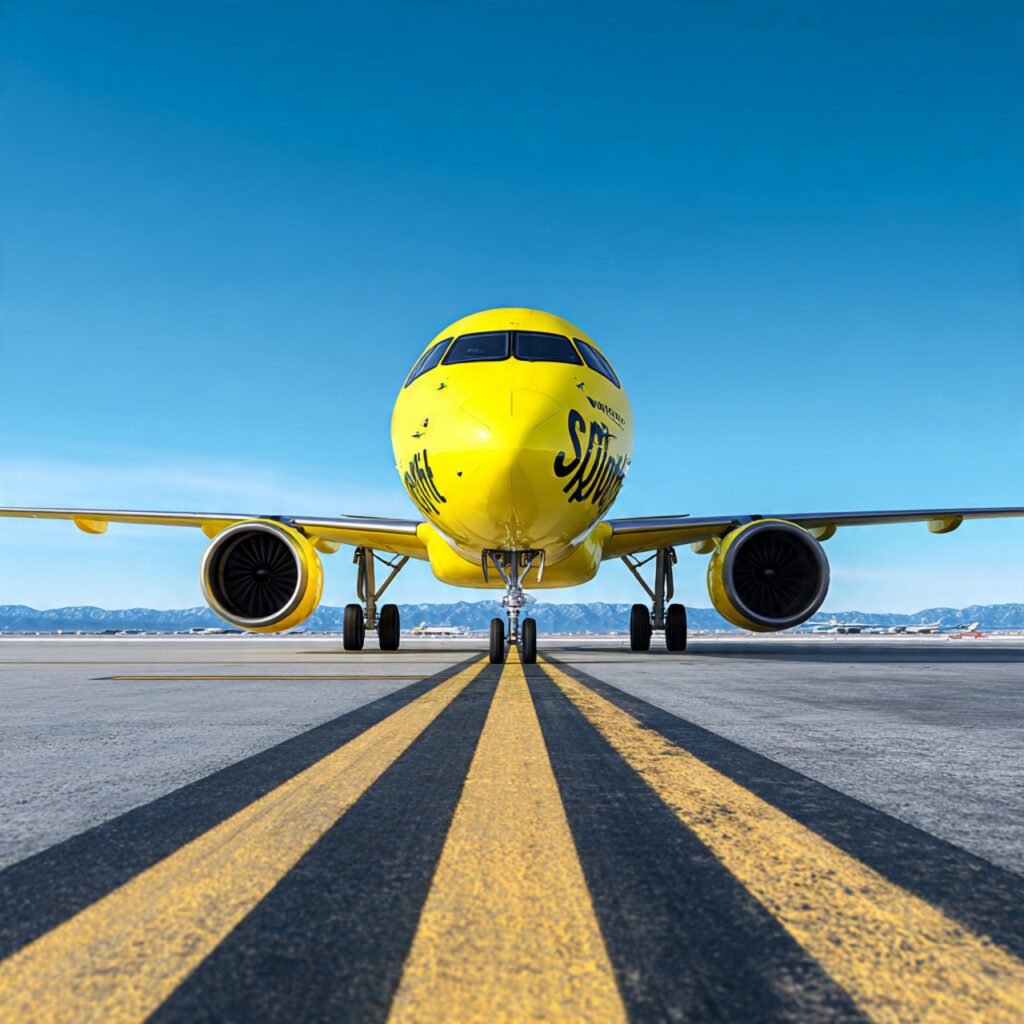
The airline industry has faced ongoing challenges in recent years, including:
These factors have affected profitability across the sector.
The U.S. government has previously provided support to airlines during periods of crisis.
Notable examples:
However, direct ownership has been less common.
Supporters of government stakes in companies argue that such measures can:
These arguments are often made during times of economic uncertainty.
Critics, however, raise several concerns about government ownership.
Key arguments include:
These concerns shape policy debates.
The discussion around government ownership reflects broader questions about economic policy in the United States.
Key themes:
These issues are central to economic strategy.

Markets often react cautiously to discussions of government ownership.
Potential reactions:
Investor sentiment plays a key role.
The decision not to include Spirit Airlines highlights the importance of selectivity in government intervention.
Key considerations:
Not all companies are treated equally.
The possibility of government involvement can influence how companies operate.
Potential effects:
Companies may adjust accordingly.
Public opinion on government ownership is divided.
Supporters emphasize:
Critics highlight:
This debate reflects broader political divides.

The situation offers several insights into modern economic policy.
Key takeaways:
These lessons are relevant beyond this case.
The discussion around government ownership is likely to continue as economic conditions evolve.
Potential developments:
The issue remains dynamic.
The willingness of Donald Trump to consider government ownership of certain U.S. companies while declining to extend such support to Spirit Airlines highlights a nuanced and selective approach to economic intervention.
As policymakers, businesses, and the public continue to debate the role of government in the economy, this case serves as a reminder that decisions about intervention are shaped by a complex mix of economic, political, and strategic factors.