playstation plus june 2026 games
Thursday, May 20, 2026 Trusted by millions worldwide Back to News Tech PlayStation Plus Subscribers Are About to Lose Another...
Read More → Thursday, May 14, 2026
Trusted by millions worldwide
By Mavia Fazal
Xi Jinping China Open Wider 2026 The comments come at a crucial moment for China’s economy, as Beijing works to boost investor confidence, stabilize growth, and enhance its relationships with multinational corporations that are grappling with rising geopolitical uncertainties. Global markets and business leaders are keeping a close eye on these changes, given that China is still one of the most significant players in manufacturing, technology, and consumer markets worldwide.
Xi Jinping China Open Wider 2026 The phrase “Xi Jinping China Open Wider 2026” has become a hot topic in global business circles ever since Chinese President Xi Jinping held talks with top international executives during Donald Trump’s notable visit to China. At the summit, Xi reportedly reassured key corporate figures including Tesla’s Elon Musk and Apple’s Tim Cook that China is committed to further opening its economy to international businesses and foreign investments. These comments come at a pivotal moment for China’s economy, as Beijing seeks to boost investor confidence, stabilize growth, and enhance relationships with multinational companies that are navigating a landscape of rising geopolitical tensions. Global markets and business leaders are keeping a close eye on these developments, given that China is still one of the world’s most significant hubs for manufacturing, technology, and consumer markets.
Xi Jinping’s promise that China will “open wider” was widely interpreted as a strategic effort to reassure global investors and multinational corporations concerned about slowing growth, regulatory pressure, and rising geopolitical tensions.
As a result, some businesses have explored diversifying manufacturing operations beyond China.
Xi’s message appears designed to counter those concerns by signaling that Beijing still wants foreign companies to remain deeply involved in the Chinese economy.
For global corporations like Apple and Tesla, China remains both a massive production hub and a critical consumer market.
Elon Musk’s presence during the discussions drew particular attention because Tesla has become one of the most prominent foreign companies operating in China.
Tesla’s Shanghai Gigafactory plays a major role in the company’s global production network and has become central to its international expansion strategy.
China is also one of Tesla’s largest electric vehicle markets.
Because of this relationship, Musk has often maintained relatively positive communication with Chinese officials compared to some other Western business leaders.
Analysts believe China views Tesla as an important example of successful foreign investment cooperation, particularly in advanced manufacturing and electric vehicle technology.
Xi’s comments toward Musk therefore carried symbolic importance for the broader business community.
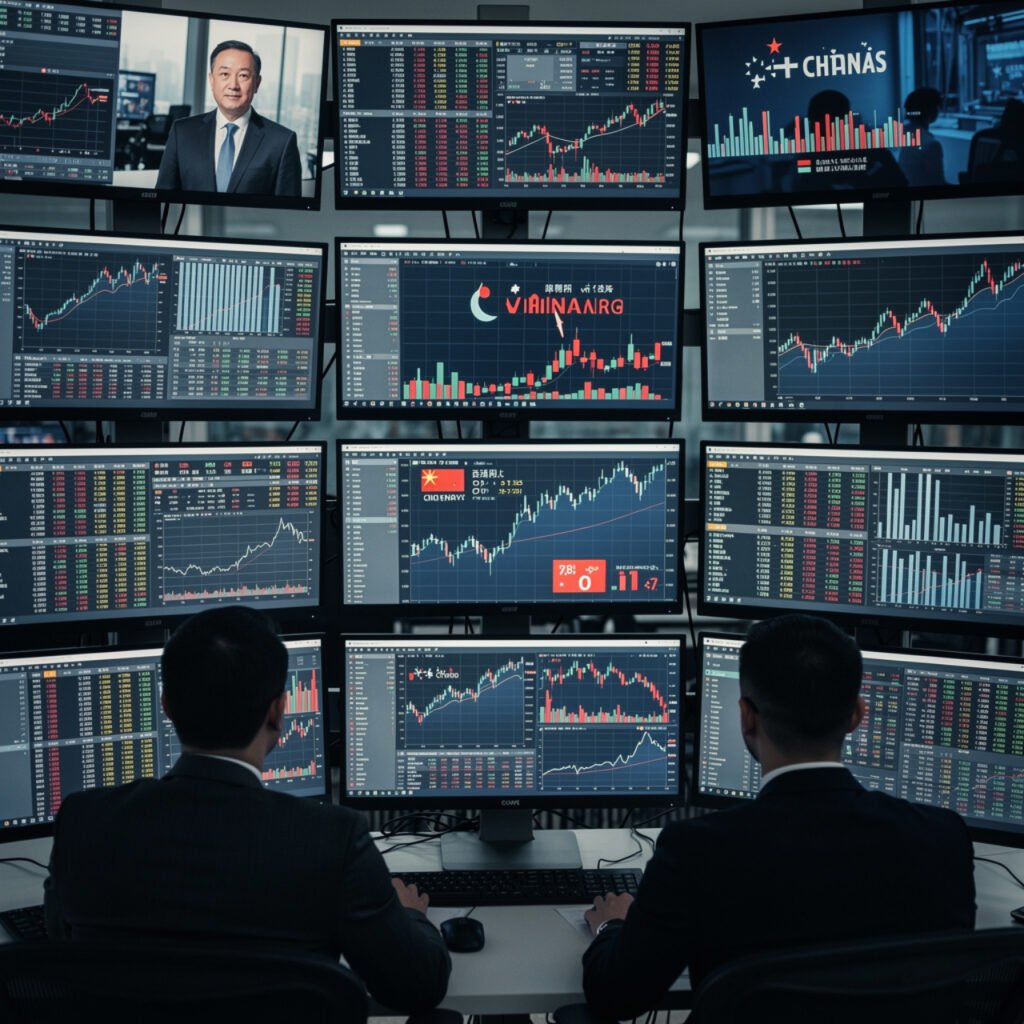
Apple CEO Tim Cook also remains a major figure in discussions surrounding Xi Jinping China Open Wider 2026 because Apple’s relationship with China is deeply interconnected across manufacturing, supply chains, and consumer sales.
Although Apple has expanded portions of its production network into countries like India and Vietnam, China continues serving as a central manufacturing base for many of its products.
Cook’s participation in the summit highlights how important stable US-China relations remain for major technology companies.
Investors continue closely monitoring Apple’s long-term position in the Chinese market due to its enormous financial exposure there.
The broader goal behind Xi Jinping’s comments appears connected to restoring confidence among international investors.By publicly engaging with international CEOs, Beijing is attempting to project stability and openness despite ongoing geopolitical competition with the United States.That makes foreign investor confidence increasingly important for China’s long-term economic strategy.
Because of these issues, any high-level diplomatic interaction between American political leaders and Chinese officials receives intense international attention.
The presence of major CEOs during the trip also highlighted how deeply business and geopolitics are now interconnected.
Corporate leaders increasingly find themselves balancing commercial interests with rising political and strategic pressures between the world’s two largest economies.
However, analysts caution that foreign businesses will likely look for concrete policy changes rather than symbolic messaging alone.
Many companies continue seeking greater regulatory transparency and long-term predictability before expanding investment aggressively.
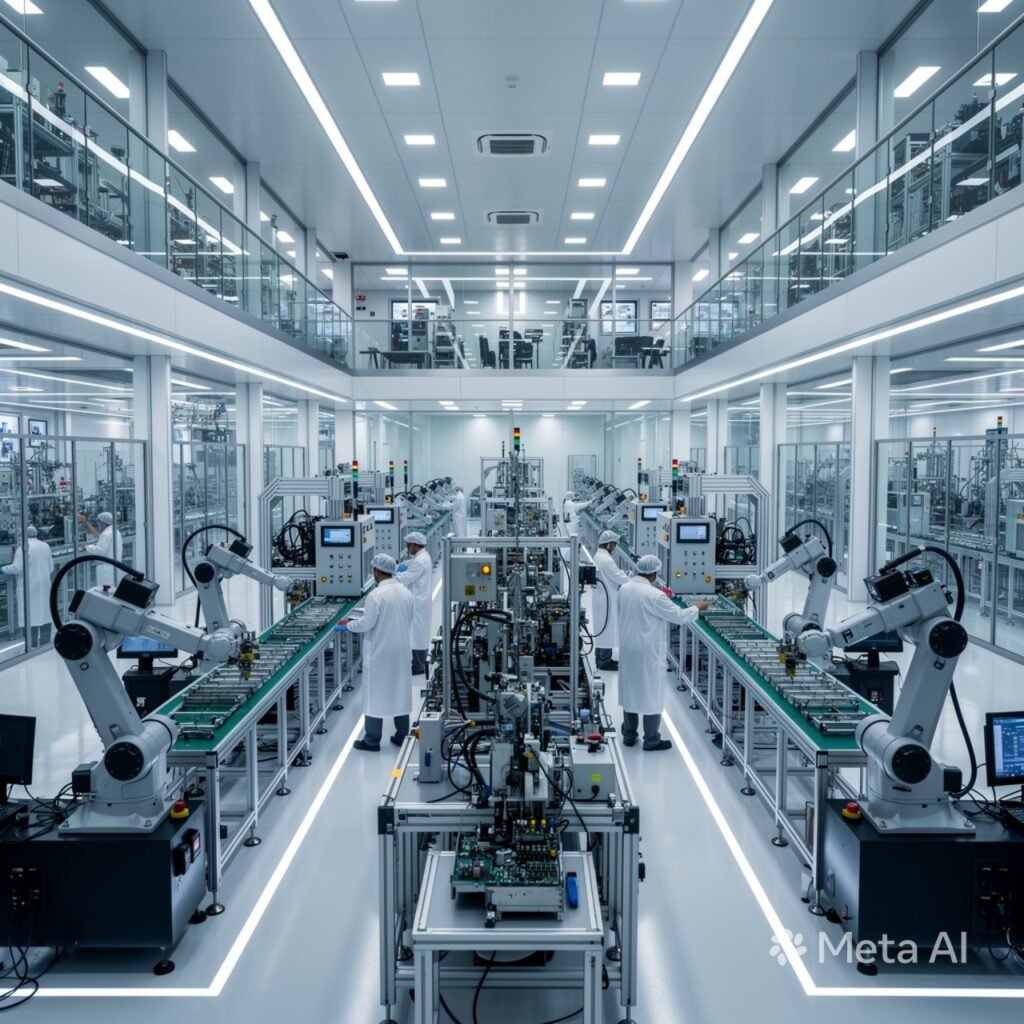
Financial markets reacted cautiously to Xi’s remarks.
While investors welcomed the positive diplomatic tone, many remain uncertain about whether major structural changes will follow.
Businesses continue monitoring several critical areas:
Analysts say confidence may improve gradually if China introduces practical reforms supporting international business operations.
For now, global companies appear willing to maintain engagement with China while also reducing dependency risks where possible.
Despite the positive tone surrounding Xi Jinping China Open Wider 2026, many multinational corporations are continuing to balance opportunity with caution. China remains one of the world’s largest consumer markets and manufacturing hubs, making it extremely difficult for global companies to reduce exposure completely. However, ongoing geopolitical tensions and regulatory uncertainty continue influencing long-term business planning.
Several international firms are now adopting a “China plus one” strategy, where they maintain operations in China while also expanding production into countries such as India, Vietnam, and Mexico. This approach allows companies to reduce supply chain risk without fully exiting the Chinese market.
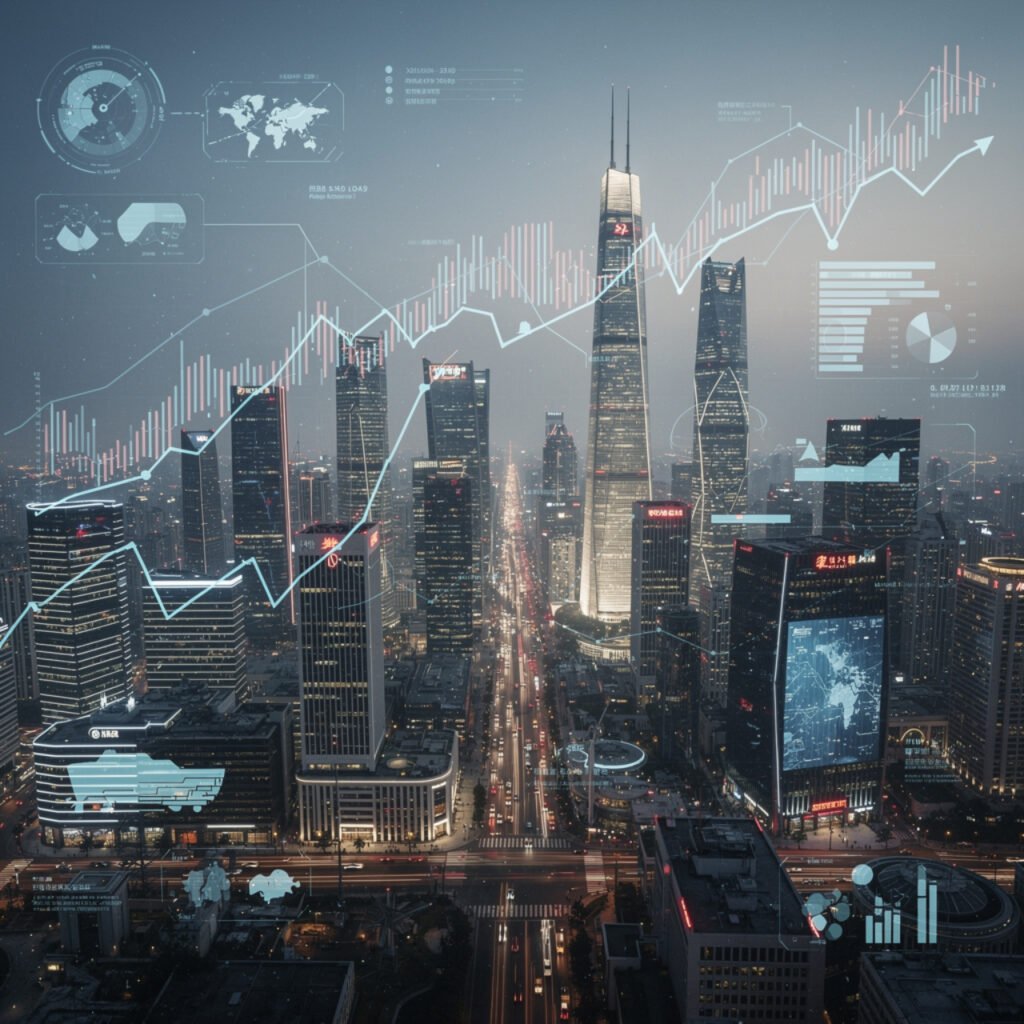
Technology rivalry between the United States and China continues shaping the broader business environment discussed during the summit. Semiconductor restrictions, artificial intelligence competition, and cybersecurity concerns remain major sources of friction between both countries.
For companies like Apple and Tesla, navigating these tensions has become increasingly complex. Businesses must now balance commercial growth opportunities in China with political pressure and regulatory expectations from Western governments. Analysts believe this technological competition will remain one of the defining factors influencing global investment strategies throughout 2026 and beyond.
The increasing emphasis on Xi Jinping’s “China Open Wider 2026” underscores Beijing’s commitment to reassuring international businesses amid a backdrop of economic uncertainty and geopolitical tensions. By engaging with prominent figures like Elon Musk and Tim Cook, Xi Jinping is signaling that China still considers foreign companies vital to its economic future. Yet, global corporations are treading carefully as they deal with intricate political dynamics, supply chain shifts, and regulatory hurdles. Ultimately, whether China’s pledge to “open wider” translates into substantial long-term policy changes could shape how global investors and multinational firms strategize in the evolving landscape of US-China economic rivalry.