playstation plus june 2026 games
Thursday, May 20, 2026 Trusted by millions worldwide Back to News Tech PlayStation Plus Subscribers Are About to Lose Another...
Read More → Thursday, May 20, 2026
Trusted by millions worldwide
By mavia fazal
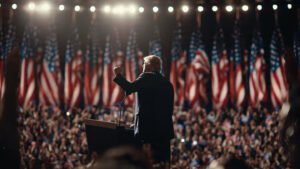
thomas massie election results Donald Trump spent a good chunk of election night doing what he’s become known for in the modern Republican landscape: declaring victory early, with a boldness and confidence that’s hard to miss. Several candidates he backed scored primary wins in crucial races, solidifying his grip on significant parts of the party machinery and proving once again that his endorsements still hold a lot of sway with conservative voters. However, beneath the cheers, applause, and the usual rhetoric, another reality was quietly looming over the evening. Despite the wins for Trump-aligned candidates, many Republicans are starting to grapple with a more uncomfortable question: can the party turn this primary enthusiasm into widespread success when the general election audience looks quite different? That tension is becoming impossible to overlook. The latest results, including a renewed focus on Thomas Massie and broader discussions surrounding his election outcomes, have revealed a Republican Party that remains politically strong but is feeling strategically uneasy as it heads into the next midterm cycle.
thomas massie election results In the realm of Republican politics, no one seems to grab attention quite like Trump. Candidates are constantly tweaking their campaigns to align with his messaging style, the way he talks about immigration, his economic viewpoints, and the cultural issues he highlights. In many districts, the battles for endorsements have become just as crucial as the actual policy discussions. I’ve noticed something interesting at various campaign events over the past few months: local Republican candidates often spend more time discussing their connection to Trump than they do outlining their own legislative plans. Whether they’re fully on board or a bit more reserved, it seems like nearly every campaign is somehow centered around him. This really speaks volumes about the current state of the Republican Party. The latest contests have shown once again that Trump-aligned voters are incredibly engaged, particularly in solidly conservative areas where turnout among dedicated Republican primary voters is impressively high
Primary victories, however, do not automatically resolve broader electoral concerns.
Republicans privately acknowledge that some of the party’s strongest primary performers struggle with independent voters in suburban regions that increasingly decide competitive statewide races.
This concern is especially visible in states where demographic shifts continue reshaping political maps. College-educated suburban voters once a reliable Republican bloc have become far more unpredictable over the past decade.
Several Republican strategists admitted quietly after Tuesday’s results that the enthusiasm gap inside the party base remains impressive, but not necessarily sufficient.
One senior operative described the current mood to me as “confident publicly, nervous privately”.
That tension now defines much of the party’s internal debate.
The conversation surrounding thomas massie election results became especially interesting because Congressman Massie occupies a politically unusual space inside modern conservatism.
While strongly conservative on fiscal issues and government spending, he has occasionally diverged from Trump-world orthodoxy on foreign policy, surveillance concerns and congressional procedure. That independence has earned him both criticism and admiration within Republican circles.
Massie’s continued political durability suggests there is still room inside the GOP for ideological variation though perhaps less room than existed a decade ago.
At rallies and town halls across Kentucky, voters often describe him less as a traditional party figure and more as someone willing to challenge leadership structures altogether. That anti-establishment identity remains politically valuable, particularly among libertarian-minded conservatives wary of Washington institutions.
The broader significance of the Kentucky race lies not only in who won, but in what kind of Republicanism continues surviving inside the Trump era.
Democrats, meanwhile, are studying these Republican contests with enormous interest.
Party strategists increasingly believe some Trump-backed candidates energize Democratic turnout almost as effectively as Republican turnout. That dynamic became particularly important during several recent statewide races where Democratic campaigns successfully framed opponents as too ideologically rigid for moderate suburban voters.
One Democratic adviser told me bluntly: “We don’t mind running against chaos.”
That may sound politically theatrical, but it reflects a real strategic calculation.
Democrats remain deeply concerned about inflation, border security and President Biden’s approval ratings. Yet many also believe that Republican candidates closely tied to election conspiracy rhetoric or highly confrontational messaging may struggle in swing districts where general-election coalitions require broader appeal.
This is the central uncertainty shadowing Republican celebrations tonight.
Trump’s political coalition remains one of the most influential forces in American politics. Rural turnout, working-class conservative support and cultural frustration with progressive politics continue driving Republican momentum across large sections of the country.
Yet the coalition is geographically uneven.
Republicans dominate many rural counties by enormous margins, but increasingly face difficulties in wealthier suburban regions that once formed the backbone of traditional GOP success.
That imbalance matters enormously in Senate races, gubernatorial contests and House districts where narrow margins often determine control of Congress.
The latest primary victories strengthened Trump’s authority within the party. They did not necessarily answer questions about electability beyond the Republican base.
One lesson from recent election cycles is that midterms eventually become larger than any single political figure including Trump.
Economic conditions, healthcare concerns, international crises and voter fatigue all shape turnout patterns in unpredictable ways.
Several voters I spoke with outside polling stations expressed admiration for Trump’s influence while simultaneously voicing concern about constant political confrontation.
One Kentucky voter told me: “I support conservative policies. I just want less chaos.”
That sentence may capture the broader national mood more accurately than either party fully realizes.
American voters increasingly appear exhausted by permanent political warfare, even while continuing to consume it constantly through television and social media.

Despite internal concerns, Republicans remain convinced the national political climate still offers significant opportunity.
continue fueling conservative messaging across multiple battleground states.
Many Republican strategists believe voters frustrated with living costs may ultimately prioritize economic dissatisfaction over personality concerns when general elections arrive.
That belief explains why Trump’s continued influence still matters so deeply. For millions of Republican voters, he remains associated with economic confidence, aggressive leadership and resistance to establishment politics.
Whether that message expands beyond the Republican base remains the defining strategic question.
Another important factor shaping these primaries is the transformation of political media itself.
Candidates now campaign inside a fragmented ecosystem driven by podcasts, livestreams, social media clips and ideological news platforms rather than traditional local journalism alone.
Trump mastered this environment years ago.
Many newer Republican candidates now emulate the same approach, focusing heavily on viral moments and direct voter engagement rather than conventional campaign structures.
The result is a political culture where attention often matters almost as much as organization.
That environment benefits candidates capable of generating emotional intensity something Trump still does exceptionally well.
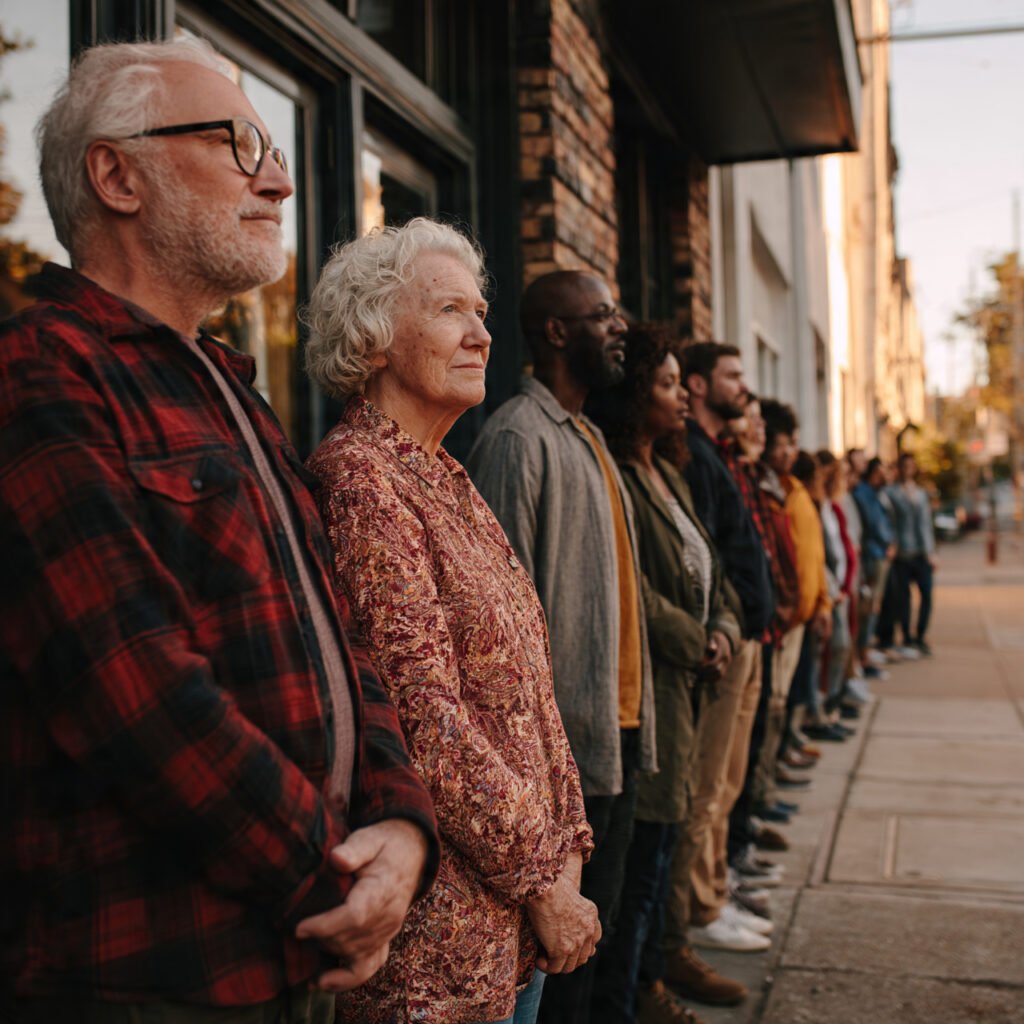
For all the noise surrounding Republican primaries, independent voters may once again determine the outcome of the midterms.
Polling across several battleground regions suggests many independents remain politically fluid, skeptical of both parties and highly reactive to economic conditions.
These voters often behave differently from highly ideological primary electorates.
They may support conservative economic policies while rejecting confrontational rhetoric. Or they may oppose Democratic leadership while remaining uneasy about Trump-style politics dominating Republican campaigns.
That complexity explains why party strategists from both sides remain cautious despite confident public messaging.
The electorate remains deeply polarized but not entirely predictable.
Perhaps the most significant long-term effect of Trump’s political rise is how dramatically it altered Republican expectations regarding leadership style.
Aggressive confrontation, rapid-response media engagement and populist messaging are no longer fringe campaign tactics inside the GOP. They are increasingly standard political requirements.
Even candidates who are personally calmer or more policy-focused often feel pressure to campaign with greater rhetorical intensity simply because that is what much of the Republican base now expects.
The modern Republican Party remains structurally shaped around Trump’s political instincts whether he is personally on the ballot or not.
That influence was visible again throughout the latest primary contests.
Beyond the headline victories, another important issue quietly shaping Republican strategy is turnout composition itself. Several party officials acknowledged after the latest primary races that enthusiasm among core conservative voters remains extremely strong, particularly in rural counties and deeply Republican districts. However, concerns continue surrounding participation levels among younger voters, moderate suburban conservatives and independents who may ultimately decide highly competitive statewide racesIn some regions, Republican turnout surged dramatically compared to previous cycles, while other areas produced more uneven participation patterns that strategists are now studying carefully ahead of the midterms. The broader discussion following these results suggests that while Trump’s influence over the Republican base remains undeniable, party leaders still face difficult questions about how to expand that energy into a broader national coalition capable of consistently winning tightly contested general elections.

In the realm of Republican politics, no one seems to grab attention quite like Trump. Candidates are constantly adjusting their campaigns to mirror his messaging style, the way he talks about immigration, his economic viewpoints, and the cultural issues he highlights. In many districts, the battles for endorsements have become just as crucial as the actual policy discussions. I’ve noticed something interesting at various campaign events over the past few months: local Republican candidates often spend more time discussing their connection to Trump than they do outlining their own legislative plans. Whether they’re fully on board or a bit more reserved, it seems like nearly every campaign is somehow centered around him. This really speaks volumes about the current state of the Republican Party. The latest contests have shown once again that Trump-aligned voters are incredibly engaged, particularly in solidly conservative areas where turnout among dedicated Republican primary voters is impressively high.