
playstation plus june 2026 games
Thursday, May 20, 2026 Trusted by millions worldwide Back to News Tech PlayStation Plus Subscribers Are About to Lose Another...
Read More → Tuesday, Aprail 7, 2026
Trusted by millions worldwide
US-Iran nuclear tensions 2026 The diplomatic trajectory between the United States and Iran has deteriorated significantly since the collapse of the 2015 Joint Comprehensive Plan of Action (JCPOA).
US-Iran nuclear tensions 2026 have reached one of the most critical inflection points in recent geopolitical history. Following the breakdown of multilateral negotiations in late 2025 and Iran’s continued expansion of uranium enrichment capacity, security analysts, foreign policy institutions, and international watchdog bodies are now seriously modeling the consequences of a potential military confrontation. This article provides a balanced, fact-based analysis of where things stand as of April 7, 2026 and what the global implications of further escalation could be.
This is not a prediction. It is a structured assessment of scenarios that credible defense experts, including researchers at institutions such as the International Crisis Group, the Carnegie Endowment for International Peace, and the Bulletin of the Atomic Scientists, have flagged as requiring urgent public attention.
The diplomatic trajectory between the United States and Iran has deteriorated significantly since the collapse of the 2015 Joint Comprehensive Plan of Action (JCPOA). Subsequent rounds of negotiations including the 2022 Vienna talks and the multilateral frameworks that followed failed to produce a durable agreement on enrichment limits, verification protocols, and sanctions relief.
By early 2026, the International Atomic Energy Agency (IAEA) reported that Iran had accumulated enough enriched uranium at 60% purity to theoretically produce several nuclear devices if enrichment continued to weapons-grade levels. Iran denies pursuing nuclear weapons and maintains that its program is for civilian energy purposes. However, the gap between diplomatic rhetoric and ground-level nuclear activity has narrowed the window for non-military solutions.
Compounding the nuclear dimension is the continued activity of Iran-backed proxy groups across the Middle East in Lebanon, Yemen, Iraq, and Syria. U.S. forces in the region have experienced recurring incidents, and the political appetite in Washington for a negotiated settlement has weakened considerably following congressional pressure and shifts in the regional alliance structure.
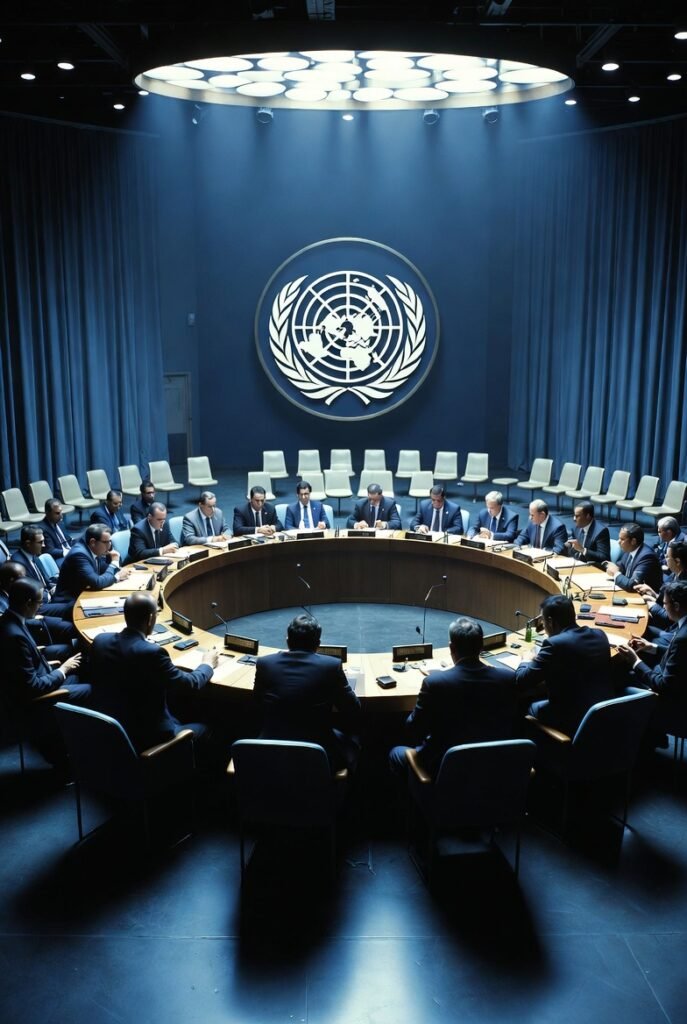
Defense scholars use the term ‘pre-emptive deterrence’ to describe the strategic calculus in which a state considers a first strike to eliminate a perceived existential threat before it fully materializes. As Iran approaches what some analysts call the ‘nuclear threshold,’ the pressure on decision-makers in Washington and Tel Aviv to act pre-emptively increases even though such action would carry enormous risks.
The Bulletin of the Atomic Scientists has moved its symbolic Doomsday Clock to 89 seconds to midnight the closest it has ever been citing precisely this type of dynamic in the Middle East alongside broader nuclear posture changes among major powers.
Traditional nuclear deterrence theory holds that the threat of mutual destruction prevents first strikes. But deterrence depends on clear communication channels, rational actors on all sides, and credible red lines. Analysts point out that all three of these conditions are currently under strain in the US-Iran context: back-channel diplomacy has largely collapsed, domestic politics on both sides reward hawkish posturing, and ‘red lines’ have been crossed without decisive consequence in recent years.
A military strike on Iranian nuclear facilities whether conventional or otherwise would almost certainly trigger retaliatory action through Iran’s network of regional allies. The Strait of Hormuz, through which approximately 20% of the world’s oil supply passes, would face an immediate threat of closure or disruption. Energy markets would respond violently within hours.
Humanitarian consequences would be severe. Iran’s nuclear facilities are located near population centers. Any military action would create radiation risks for civilians, generate a refugee crisis, and destabilize neighboring states including Iraq, Afghanistan, and the Gulf Cooperation Council countries.
A unilateral U.S. strike would place extraordinary pressure on NATO cohesion. European allies particularly Germany, France, and the UK have consistently emphasized diplomacy over military action and would face difficult choices about whether to endorse, abstain from, or publicly oppose such action. Analysts at the European Council on Foreign Relations have warned that a major Middle East military escalation could be the event that permanently fractures the transatlantic alliance.
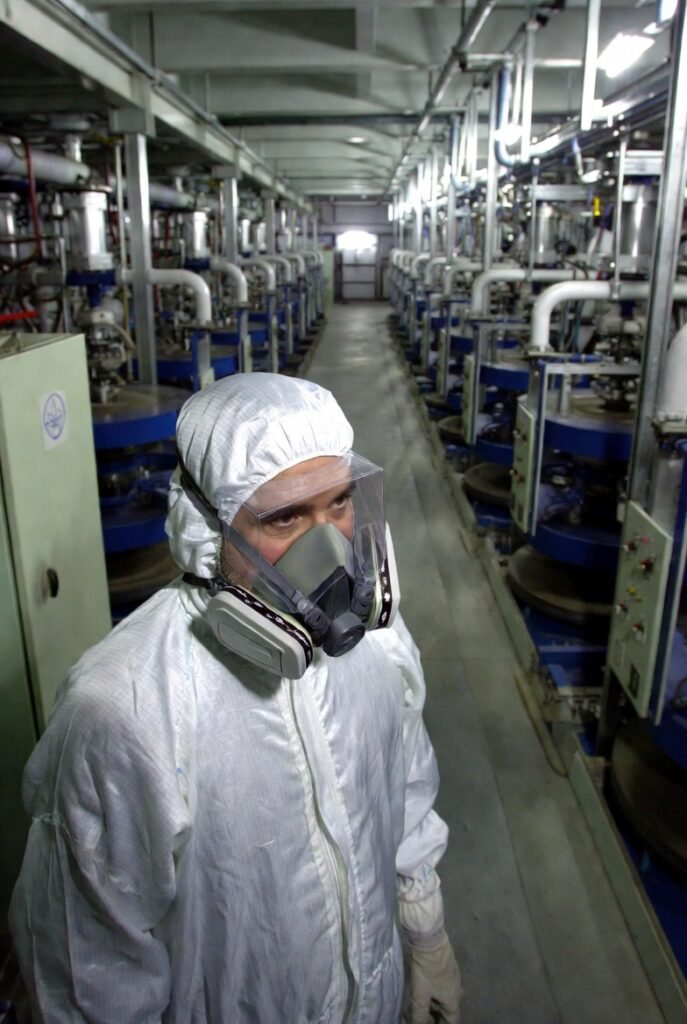
Despite the bleak outlook, diplomats and analysts continue to argue that windows for de-escalation remain open narrowed, but not closed. Proposals currently under discussion in back-channels include a phased enrichment freeze in exchange for partial sanctions relief, enhanced IAEA monitoring protocols, and a regional security dialogue framework that would include Saudi Arabia, the UAE, and other Gulf states as stakeholders.
The challenge is that both sides face domestic political constraints that make compromise appear like capitulation. In the U.S., the 2026 midterm election cycle has raised the political cost of any agreement that can be characterized as ‘weak on Iran.’ In Tehran, hardline factions within the government have gained ground at the expense of reformists who historically supported engagement.
Foreign policy experts are calling for several specific measures to reduce the risk of miscalculation:

As of April 7, 2026, the world faces a genuine and serious risk of military escalation between the United States and Iran an escalation that would not remain contained to those two actors. The consequences for energy markets, international alliances, global security architecture, and the future of nuclear nonproliferation are profound.
This is not a scenario for sensationalism. It is a situation that demands sober, informed public discourse and urgent diplomatic engagement from every stakeholder in the international community. The cost of failure, as analysts across the political spectrum agree, would be measured not in political capital but in human lives and generational instability.
Frontier Affairs will continue to update this story as developments emerge. Follow our live coverage feed for the latest.