
playstation plus june 2026 games
Thursday, May 20, 2026 Trusted by millions worldwide Back to News Tech PlayStation Plus Subscribers Are About to Lose Another...
Read More → Tuesday, May 5, 2026
Trusted by millions worldwide
By Mavia Fazal
The ongoing conflict between Ukraine and Russia is significantly impacting global geopolitics, energy markets, and international security strategies. While the fighting remains a prominent aspect of the war, there’s an increasing focus from world leaders on finding negotiation-based solutions that could help stabilize the region in the long run. When we analyze the negotiation phase of the Ukraine war, we look at how diplomatic efforts, military strategies, and international participation are all playing a role in shaping the chances for future peace talks.
The ongoing negotiations surrounding the Ukraine war highlight a crucial turning point in the conflict between Ukraine and Russia. Here, the realities on the battlefield are increasingly blending with diplomatic efforts to explore potential frameworks for negotiation. As we look ahead to 2026, international conversations about peace talks, ceasefire terms, and long-term security arrangements are gaining momentum, driven by a global push for de-escalation. This conflict continues to have a profound impact on global geopolitics, energy markets, and international security policies. While active fighting remains a significant aspect of the war, there’s a growing focus among global players on shifting towards negotiation-based solutions that could help stabilize the region in the long run. The analysis of the Ukraine war negotiation phase aims to shed light on how diplomatic channels, military strategies, and international engagement are all playing a role in shaping the prospects for future settlement discussions.
One of the most significant developments in 2026 is the increasing diplomatic pressure from global institutions and allied nations to explore negotiation pathways.
International stakeholders continue to emphasize the importance of reducing civilian impact, stabilizing regional security, and preventing further escalation.The Ukraine war negotiation phase analysis indicates that while direct breakthroughs remain limited, diplomatic engagement has intensified compared to earlier phases of the conflict.
Military developments continue to play a decisive role in shaping negotiation strategies.
Control over territory, resource access, and strategic positions often determines bargaining strength in diplomatic discussions.
As battlefield conditions evolve, so too do the demands and expectations of both sides involved in negotiations.
The Ukraine war negotiation phase analysis shows that military dynamics remain tightly linked to diplomatic outcomes, with each side attempting to strengthen its position before any formal agreement is reached.
This interplay between military and diplomatic factors makes the negotiation process highly complex and fluid.
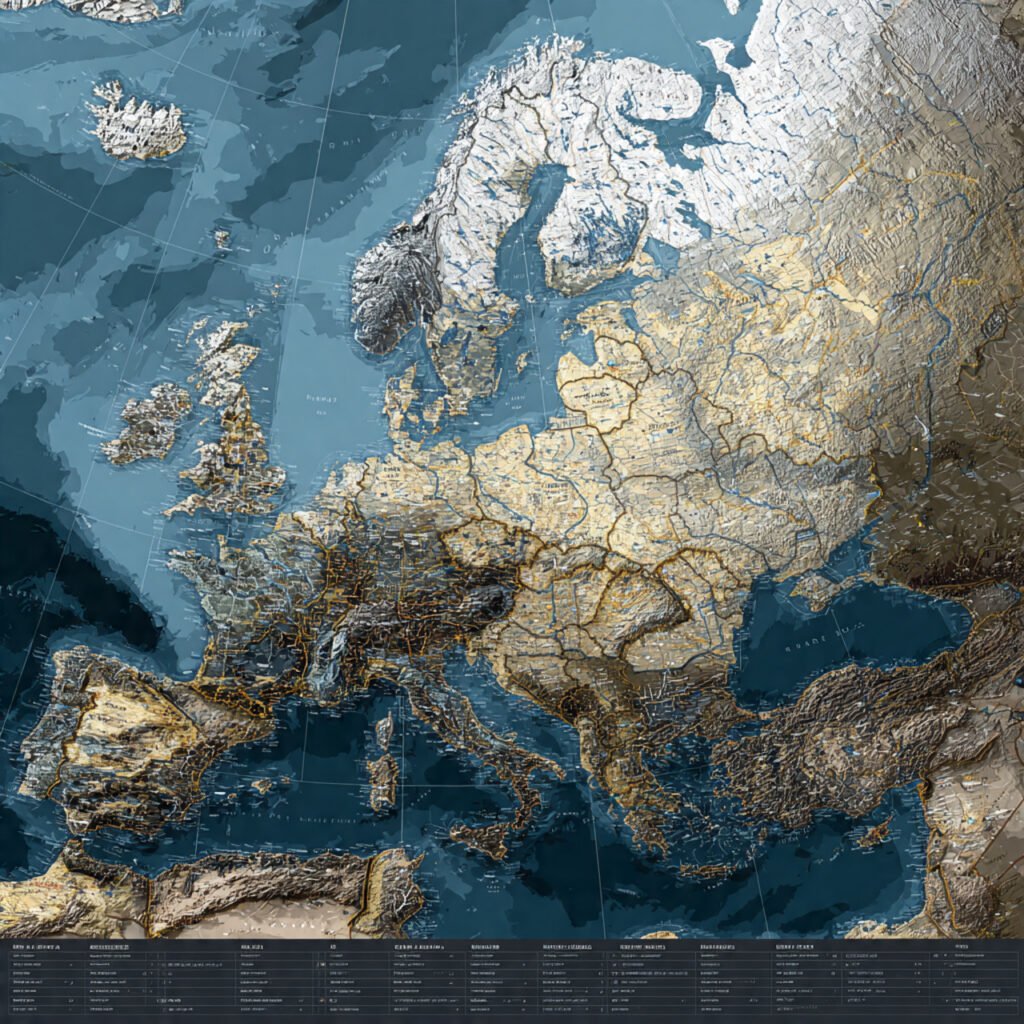
The conflict has drawn significant international involvement from global powers, alliances, and international organizations.
Diplomatic mediation efforts, economic sanctions, humanitarian support, and security cooperation all contribute to shaping the broader negotiation environment.
Countries across Europe, North America, and other regions continue to advocate for stability and conflict resolution while maintaining strategic interests in regional security outcomes.
The Ukraine war negotiation phase analysis highlights how external actors influence negotiation conditions, even when they are not direct participants in the conflict.
Ceasefire proposals remain one of the most discussed components of potential negotiations.
Temporary pauses in conflict are often viewed as initial steps toward broader diplomatic engagement, allowing humanitarian aid delivery and reducing immediate violence.
However, achieving sustained ceasefire agreements has proven challenging due to differing strategic objectives and trust deficits between parties.
The Ukraine war negotiation phase analysis suggests that ceasefire frameworks are likely to remain a key focus of ongoing diplomatic efforts in 2026.
These global effects have increased urgency for diplomatic solutions, as prolonged conflict continues to create uncertainty in international markets.
The Ukraine war negotiation phase analysis shows that economic pressure is becoming an increasingly important factor in shaping international calls for negotiation.

Despite increased diplomatic activity, several major challenges continue to block progress toward a lasting agreement.
These issues make it difficult to reach a comprehensive settlement that satisfies all parties involved.
The Ukraine war negotiation phase analysis highlights that while dialogue continues, significant structural barriers remain in place.
International organizations continue to play a supportive role in facilitating dialogue and humanitarian coordination.
The United Nations and other diplomatic platforms have been involved in discussions aimed at reducing escalation risks and supporting humanitarian access.
Despite ongoing discussions, the path toward a long-term resolution remains uncertain.
Negotiation phases often move slowly, with periods of progress followed by setbacks due to battlefield developments or political disagreements.
Experts note that many modern conflicts require extended diplomatic cycles before reaching durable agreements.
The Ukraine war negotiation phase analysis indicates that while momentum toward dialogue exists, the timeline for a comprehensive settlement remains unclear.
The Ukraine war negotiation phase analysis emphasizes the importance of multilateral institutions in maintaining communication pathways between conflicting parties.
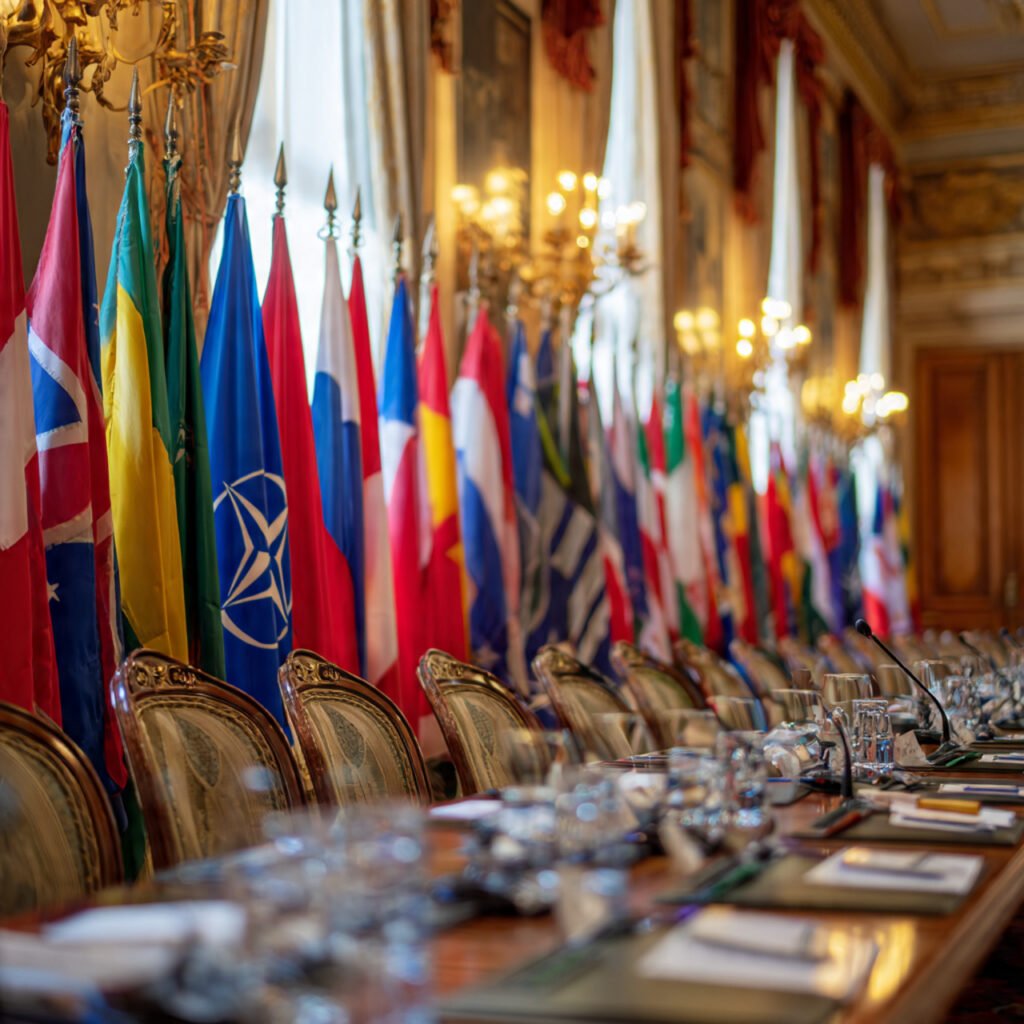
The analysis of the negotiation phase in the Ukraine war reveals a pivotal moment in this ongoing conflict, where diplomacy and military realities are becoming more intertwined than ever. Even as fighting continues, the growing international pressure, economic fallout, and diplomatic efforts indicate that negotiations are taking center stage in global strategy. That said, there are still major hurdles to overcome, and reaching a lasting peace will hinge on ongoing diplomatic dedication, willingness to compromise, and the shifting landscape of geopolitical conditions. As we move through 2026, the negotiation phase is likely to remain a key aspect of the conflict’s evolution, influencing both regional stability and the dynamics of global security.