
playstation plus june 2026 games
Thursday, May 20, 2026 Trusted by millions worldwide Back to News Tech PlayStation Plus Subscribers Are About to Lose Another...
Read More → Wednesday, May 13, 2026
Trusted by millions worldwide
By Mavia Fazal
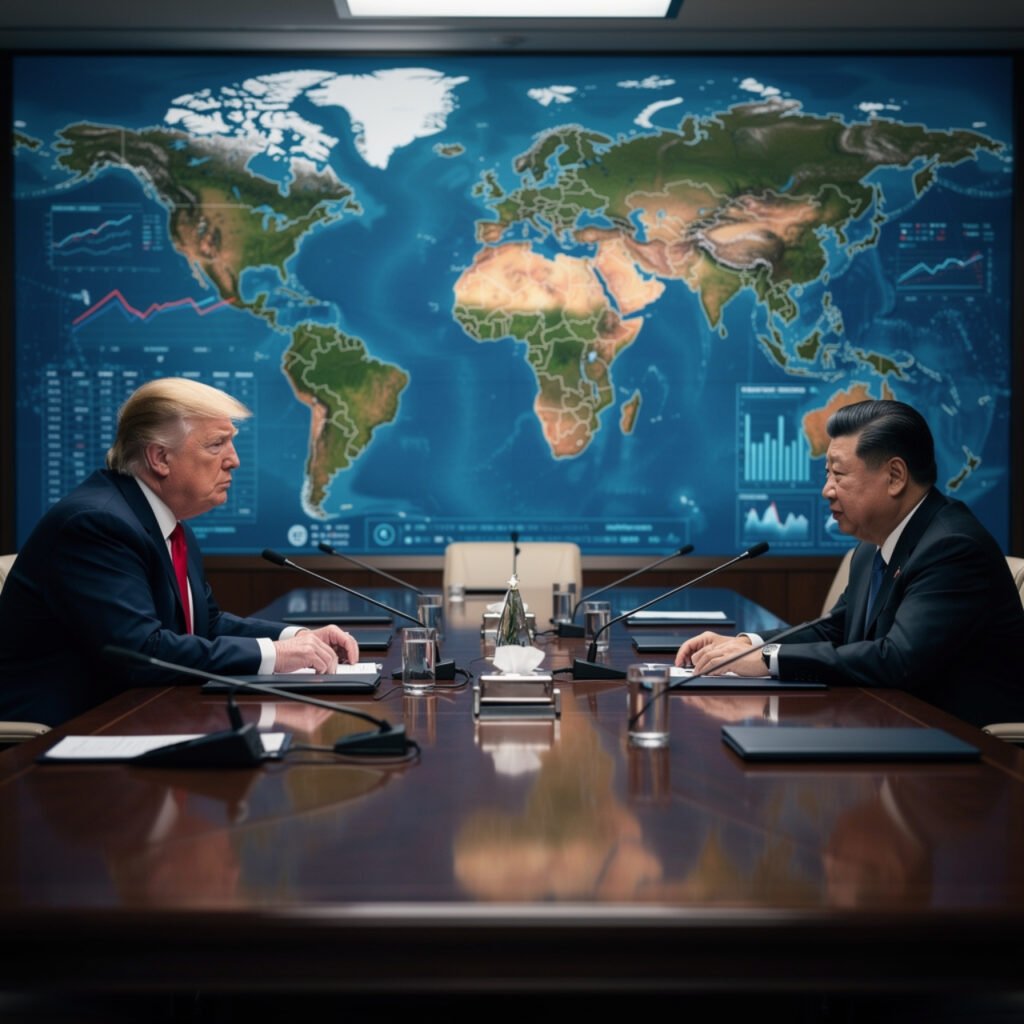
Trump Xi Jinping Summit 2026 World leaders, financial markets, and security experts are keeping a close eye on the upcoming meeting, as it has the potential to influence US-China relations for years ahead. With ongoing disputes over trade, Taiwan, artificial intelligence, military presence, and global supply chains making headlines around the world, the importance of this summit has never been greater.
Trump Xi Jinping Summit 2026 The much-anticipated Trump Xi Jinping Summit 2026 is officially in session, with President Donald Trump touching down in Beijing for what’s shaping up to be one of the year’s most scrutinized diplomatic gatherings. This meeting between Trump and Chinese President Xi Jinping comes at a time when geopolitical tensions are on the rise, economic uncertainties loom large, and worries about global stability are growing. World leaders, financial markets, and security experts are all keeping a close eye on this summit, as it has the potential to influence US-China relations for years ahead. With hot-button issues like trade disputes, Taiwan, artificial intelligence, military presence, and global supply chains making headlines, the stakes have never been higher. Trump’s arrival in China signifies a pivotal moment in diplomacy, especially after months of increasingly heated exchanges between Washington and Beijing. Both nations are feeling the pressure to mend ties while also safeguarding their own strategic interests in a world that’s changing rapidly.
The timing of the summit is critical.
Over the past year, tensions between the United States and China have intensified across multiple fronts. Trade restrictions, semiconductor competition, cybersecurity accusations, military exercises in the Indo-Pacific, and disagreements over Taiwan have all contributed to deteriorating trust between the world’s two largest economies.
At the same time, global markets remain fragile following inflation concerns, energy disruptions, and slowing international growth. Investors are hoping the summit could reduce uncertainty and prevent further economic instability.
Diplomatic observers say both leaders enter the talks with different priorities.
President Trump is expected to focus heavily on trade imbalances, manufacturing competition, intellectual property protections, and China’s growing technological influence. Meanwhile, Xi Jinping is likely aiming to prevent further economic decoupling while projecting China as a stable global power amid rising international pressure.
The summit therefore represents more than a routine diplomatic meeting. It is increasingly viewed as a defining test for the future balance of global power.
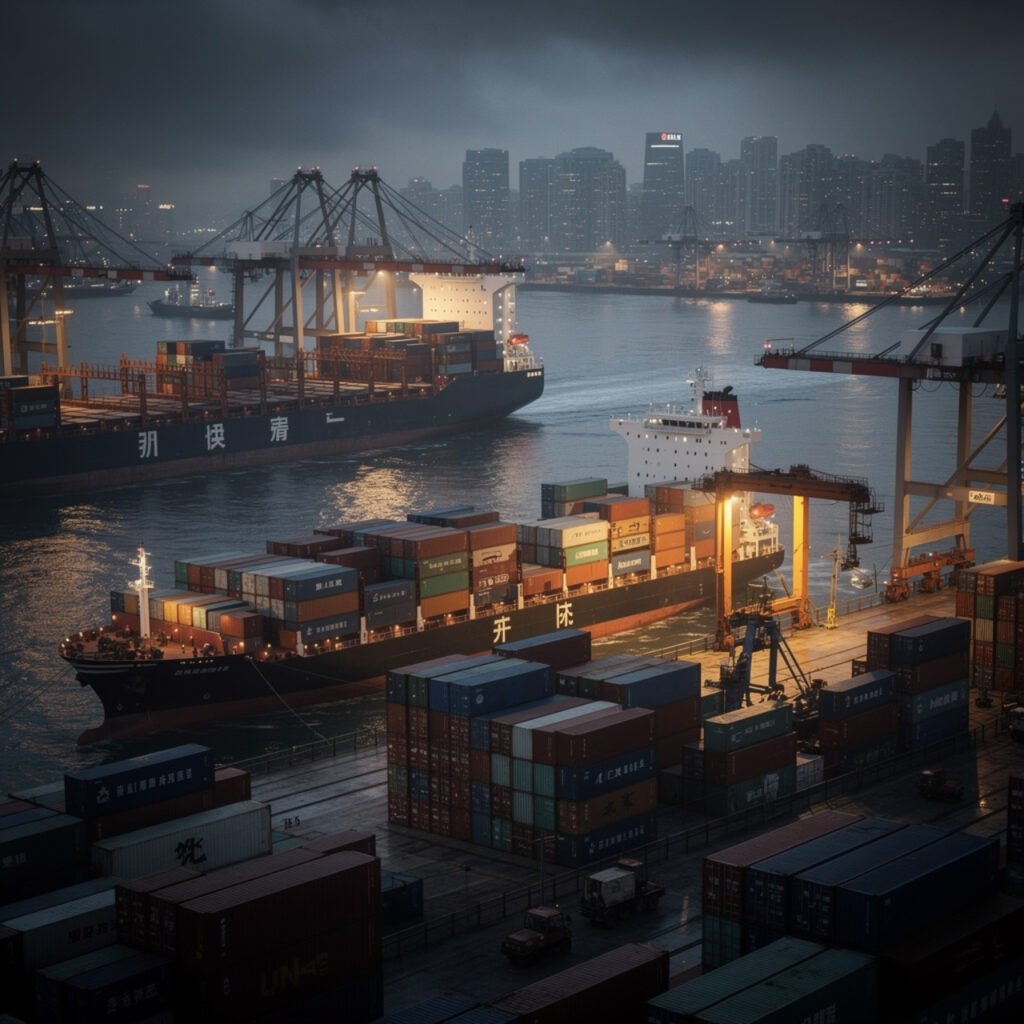
Economic rivalry is still a key issue in US-China relations. The Trump administration has consistently accused China of engaging in unfair trade practices and leveraging state-supported industrial policies to gain an edge in crucial sectors like electric vehicles, artificial intelligence, telecommunications, and advanced manufacturing. American officials contend that the United States needs to lessen its reliance on Chinese supply chains to safeguard national security and bolster domestic industries. Over the past year, Washington has tightened restrictions on technology exports and ramped up scrutiny of Chinese investments in vital sectors. On the flip side, China has vehemently criticized these policies. Beijing argues that the United States is trying to stifle China’s economic growth through tariffs, sanctions, and technological barriers. Chinese state media has portrayed the summit as a chance to stabilize relations while upholding national sovereignty and economic interests. Business leaders around the globe are keeping a close eye on this situation, as the summit’s outcome could influence everything from manufacturing costs to global stock markets. Even a small step forward in trade talks could ease investor concerns and boost market confidence. However, if tensions remain unresolved, it could lead to even more uncertainty in international industries that are already grappling with supply chain challenges.
Few issues are as politically sensitive in US-China relations as Taiwan.
China considers Taiwan part of its territory and has repeatedly warned against foreign support for Taiwanese independence. The United States officially recognizes the “One China” policy while also maintaining strong unofficial ties and military cooperation with Taiwan.
That delicate balance has become increasingly fragile.
Military activity near Taiwan has intensified over recent years, with Chinese aircraft and naval operations drawing growing international attention. American officials have meanwhile increased strategic cooperation with regional allies in the Indo-Pacific.
Analysts believe Taiwan will be one of the most difficult subjects discussed during the summit.
Any escalation in the Taiwan Strait could have enormous consequences not only for regional security but also for the global economy. Taiwan plays a central role in semiconductor manufacturing, making stability in the region critically important for technology industries worldwide.
Diplomatic experts say both Washington and Beijing are aware that miscalculation could trigger serious international consequences.
As a result, even symbolic agreements on military communication or crisis management could be viewed as meaningful progress during the summit.
Technology competition has become a significant source of tension in recent times. The United States and China are locked in a fierce battle for supremacy in areas like artificial intelligence, semiconductor manufacturing, quantum computing, and cutting-edge communications infrastructure. Leaders in both countries see technological dominance as crucial for driving economic growth and ensuring national security. During the Trump administration, there was a push for stricter controls on advanced chip exports to China, with the belief that sensitive technologies could bolster China’s military strength. In response, China has ramped up its investments in domestic technology and is striving for self-sufficiency in critical sectors. Experts suggest that this rivalry has evolved beyond mere economics; it’s now intricately linked to national influence, defense strategies, and aspirations for long-term global leadership. This reality places considerable pressure on summit discussions, as the competition in technology impacts nearly every major industry, from defense systems to consumer electronics.
Investors are searching for signs that Washington and Beijing may reduce tensions enough to avoid another major economic confrontation. Previous trade disputes between the two countries created significant volatility in global markets, disrupted supply chains, and increased uncertainty for multinational businesses.
Energy markets, shipping companies, and manufacturing industries are particularly sensitive to diplomatic developments between the two superpowers.
Several economists believe a stable US-China relationship is essential for global economic recovery, especially as many countries continue facing inflation pressure and slowing growth.
Even symbolic gestures during the summit could influence investor sentiment.
Positive diplomatic language may help stabilize markets temporarily, while confrontational exchanges could trigger renewed economic anxiety worldwide.

President Trump is still under a lot of pressure regarding inflation, foreign policy choices, and the overall economic uncertainty in the U.S. His supporters claim that his administration is doing a great job of protecting American manufacturing and national security. On the flip side, critics are worried that rising tensions with China could lead to more economic instability. Meanwhile, Xi Jinping is grappling with his own set of challenges back home. China’s economy isn’t growing as quickly as it used to, and there are ongoing worries about youth unemployment, the property market, and international trade restrictions, all of which are affecting economic confidence. Political analysts suggest that both leaders need to project strength domestically while also working to keep diplomatic relations from getting worse. This delicate balancing act could influence the atmosphere and results of the upcoming summit. Neither side wants to show any signs of weakness, but both governments are aware of the dangers that come with a prolonged standoff between the world’s two largest economies
The Trump-Xi Jinping Summit in 2026 is shaping up to be one of the year’s most crucial geopolitical gatherings. With trade disputes, tensions over Taiwan, a fierce technology rivalry, and a backdrop of global economic uncertainty all coming to a head, this summit holds significant diplomatic and economic weight. For both Washington and Beijing, the task at hand is not just about safeguarding their national interests but also about ensuring that their rivalry doesn’t spiral into wider global instability. As discussions unfold in Beijing, the world is tuning in closely, eager to see whether there will be signs of cooperation, confrontation, or perhaps a careful compromise. The outcomes of this summit could have lasting effects on international politics, economic markets, and global security that extend well beyond 2026.