
playstation plus june 2026 games
Thursday, May 20, 2026 Trusted by millions worldwide Back to News Tech PlayStation Plus Subscribers Are About to Lose Another...
Read More → Saturday, May 16, 2026
Trusted by millions worldwide
By mavia fazal
Trump Taiwan Arms Sales 2026 The ongoing debate about Trump’s Taiwan Arms Sales in 2026 has really caught the world’s attention, highlighting the fragile relationship between the United States, China, and Taiwan. Recent reports hinting that defense agreements related to Taiwan might be tied to broader negotiations with Beijing have sparked conversations among diplomats, security experts, and global markets. Taiwan has always been a hot-button issue in U.S.-China relations. For Washington, arms sales to Taiwan are seen as part of its long-standing security commitments, while Beijing firmly opposes these deals, viewing them as meddling in its internal matters. As a result, any suggestion that Taiwan’s defense policy could be linked to larger diplomatic or trade talks quickly draws global attention.
For many years, Taiwan has stood out as one of the most intricate and politically charged regions in the realm of international diplomacy. The United States keeps unofficial yet strategically significant ties with Taiwan, which include defense partnerships and military equipment sales designed to bolster the island’s security capabilities. On the flip side, China sees Taiwan as a part of its territory and vehemently opposes any foreign military collaboration involving Taipei. This ongoing conflict has turned Taiwan into a persistent flashpoint between Washington and Beijing, particularly during times of heightened geopolitical rivalry. The discussions surrounding the Trump Taiwan Arms Sales in 2026 highlight just how intertwined security, trade, and diplomacy have become in the contemporary landscape of U.S.-China relations.
American arms sales to Taiwan are not only military transactions but also major diplomatic signals.
Supporters argue such agreements help maintain regional stability by strengthening Taiwan’s defensive capabilities and reinforcing broader Indo-Pacific security partnerships. Critics, however, warn that these sales can increase diplomatic friction between the United States and China.
Analysts note that even symbolic changes in policy language or negotiation strategy surrounding Taiwan can significantly influence international relations, investor confidence, and regional political calculations.
That is why reports linking Taiwan arms sales to wider negotiations have generated strong global reactions.
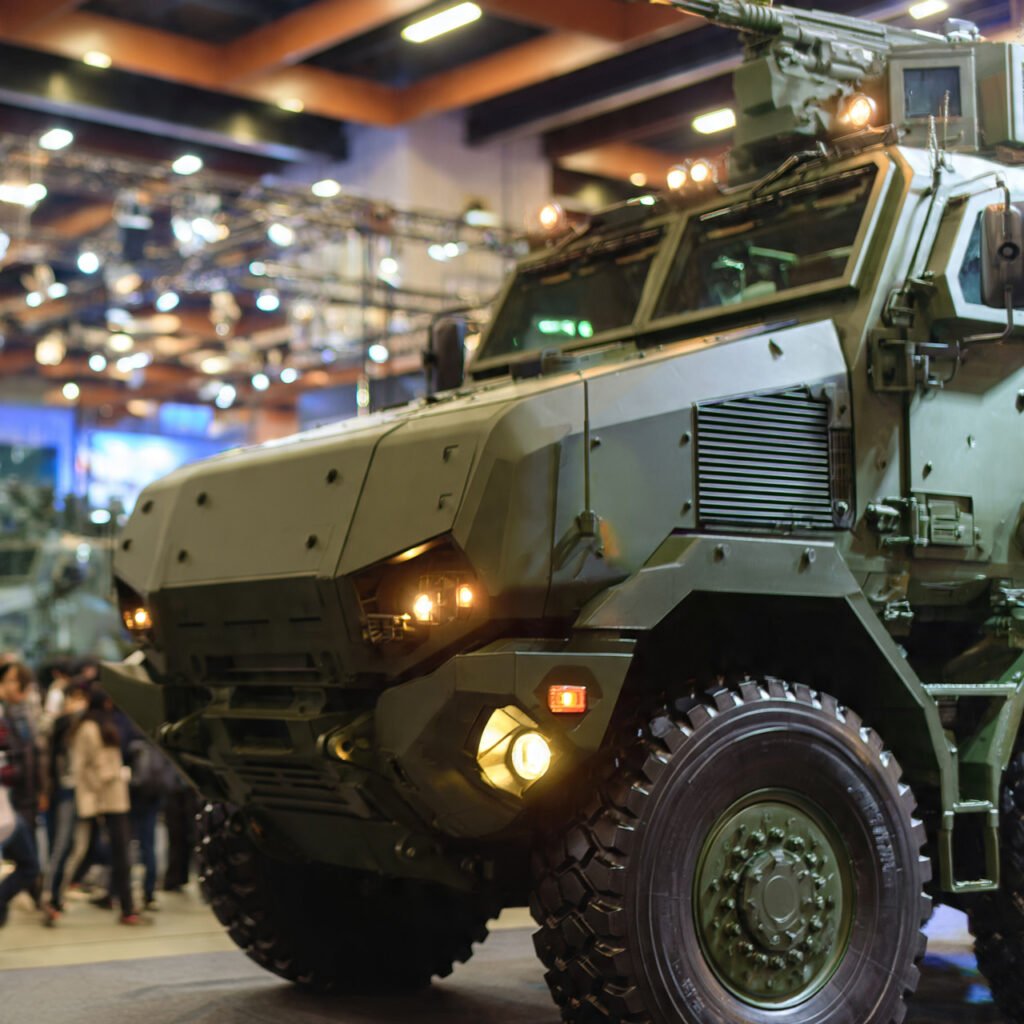
Chinese officials have consistently opposed U.S. military support for Taiwan and regularly respond strongly to announcements involving defense cooperation or weapons agreements.
Because of this, any suggestion that Taiwan-related policies may become part of larger bargaining discussions immediately draws close attention from Beijing.
Analysts say China is likely evaluating whether future U.S. policy decisions signal:
The Trump Taiwan Arms Sales 2026 debate therefore extends beyond Taiwan itself and touches broader geopolitical competition between the world’s two largest economies.
International markets and allied governments are also monitoring developments carefully.
The Indo-Pacific region remains one of the world’s most economically important areas, meaning geopolitical uncertainty can influence global trade sentiment, supply chains, technology markets, and investor confidence.
American allies in Asia are particularly attentive to signals regarding U.S. strategic commitments in the region. Countries that rely on stable security coordination with Washington often analyze Taiwan-related policy changes as indicators of broader American foreign policy direction.
The Trump Taiwan Arms Sales 2026 issue has also fueled debate inside the United States regarding how Washington should balance diplomacy, deterrence, and economic strategy.
Some policymakers argue that maintaining strong support for Taiwan is essential for regional credibility and long-term strategic stability. Others believe diplomatic flexibility with China could help reduce tensions and improve cooperation on global economic issues.
As a result, Taiwan policy continues to occupy a central role in discussions about America’s future foreign policy priorities.
Foreign policy experts caution that Taiwan-related negotiations are often more complex than public political rhetoric suggests.
Arms sales, diplomatic statements, trade negotiations, and military positioning are usually part of broader strategic frameworks rather than isolated decisions. Analysts say interpreting every policy signal as a dramatic shift can sometimes create unnecessary speculation in both political and financial markets.
The situation surrounding Trump Taiwan Arms Sales 2026 therefore remains highly nuanced, with many moving diplomatic and strategic factors involved.Analysts believe the debate surrounding Trump Taiwan Arms Sales 2026 is unlikely to fade anytime soon, especially as both Washington and Beijing continue competing for influence across the Indo-Pacific region. Future policy decisions involving Taiwan could shape not only military coordination but also trade discussions and broader diplomatic relations between the two global powers.Experts also note that allies across Asia will continue watching closely for signals about long-term U.S.

The increasing emphasis on Trump Taiwan Arms Sales 2026 really underscores just how crucial Taiwan is to the current dynamics of U.S.-China relations and the wider discussions around Indo-Pacific strategy. As policymakers juggle diplomacy, security obligations, economic rivalries, and alliance coordination, Taiwan remains one of the most delicate topics in global geopolitics. While the debates surrounding arms sales and negotiation tactics are bound to persist, experts anticipate that regional stability, effective communication among allies, and long-term diplomatic strategies will continue to be at the forefront of international focus in the coming months.