
llinois American Water charitable foundation grants 2026
Friday,May 1, 2026 Trusted by millions worldwide Back to News Finance Illinois American Water Recognizes American Water Charitable Foundation 2026...
Read More → Friday, Aprail 30, 2026
Trusted by millions worldwide
Trump Iran war terminated before deadline However, despite the declaration, tensions remain high, and questions continue over whether the conflict has truly ended simply entered a new phase.
Trump Iran war terminated before deadline The Trump administration has announced that the United States’ military conflict with Iran has been “terminated” ahead of a critical 60-day legal deadline, a move that has sparked intense political and legal debate. The decision is tied to a ceasefire that began in early April, which officials argue effectively ended active hostilities.
However, despite the declaration, tensions remain high, and questions continue over whether the conflict has truly ended or simply entered a new phase.
The 60-day deadline comes from the War Powers Resolution, a U.S. law that limits how long a president can engage in military action without congressional approval.
Key provisions:
This deadline became central to the Iran conflict timeline.
The conflict began earlier in 2026, escalating rapidly before a ceasefire was announced.
Key events:
The ceasefire plays a crucial role in the administration’s argument.
Officials argue that the ceasefire effectively ended hostilities, meaning the legal countdown no longer applies.
According to administration officials:
A senior official stated that the “hostilities have terminated,” reflecting this interpretation.

The administration’s position has sparked disagreement among lawmakers and legal experts.
Criticism includes:
Many argue that congressional approval is still required.
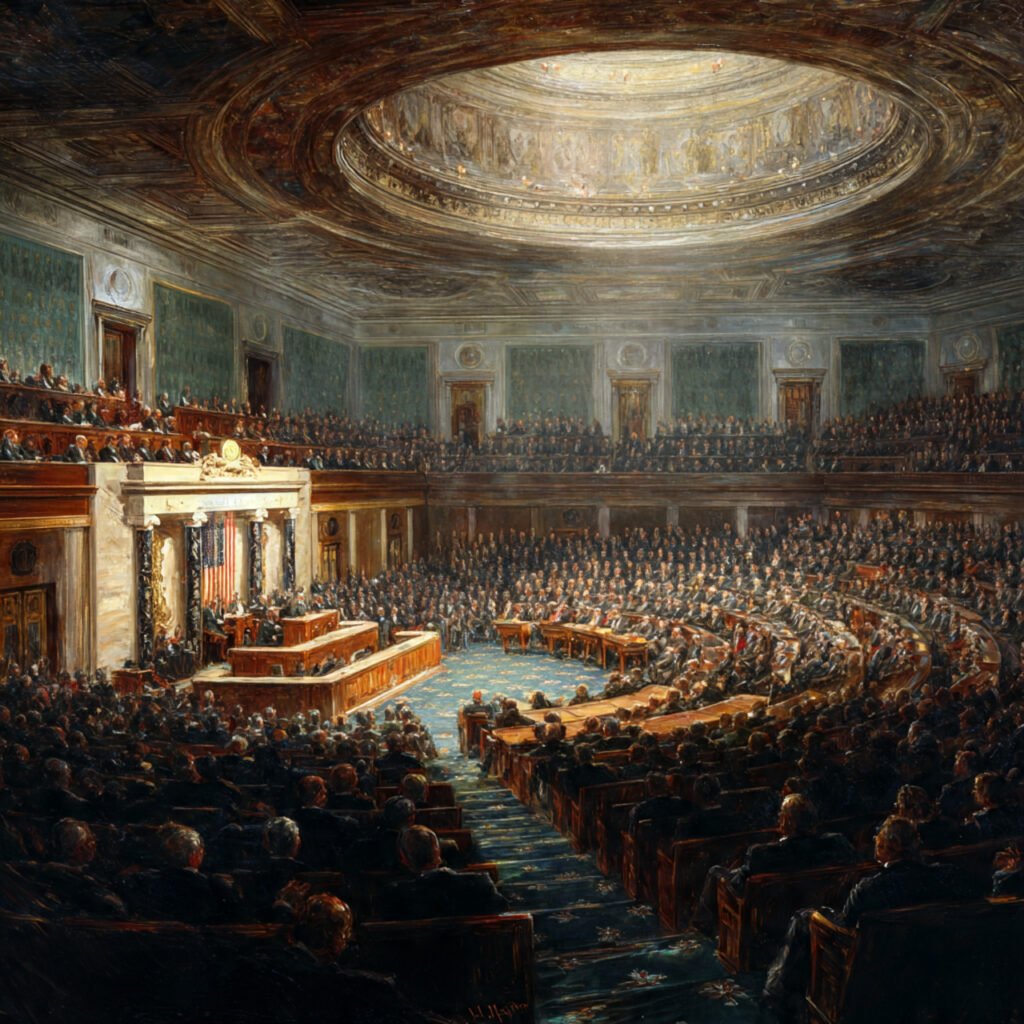
Congress remains divided over the issue, with both political and legal implications.
Key reactions:
The issue could lead to further legislative action.
Although the administration claims the war has ended, the situation remains complex.
Current realities:
The distinction between “war” and “non-war operations” is being debated.
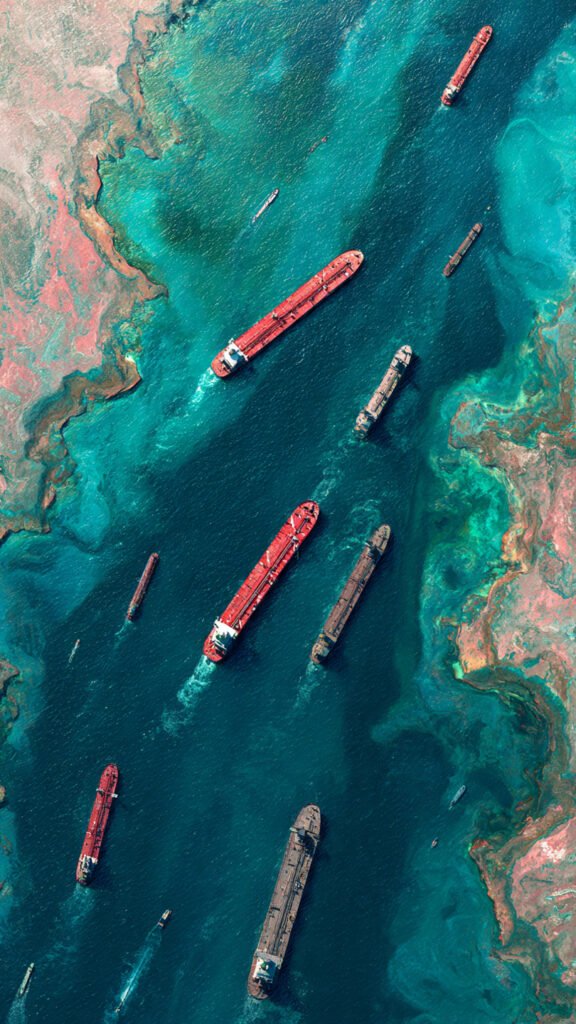
One of the most significant ongoing issues is control over the Strait of Hormuz, a vital global oil route.
Key developments:
These actions suggest continued strategic conflict.
The Iran conflict has had global economic consequences, particularly in energy markets.
Major effects:
Energy markets remain sensitive to developments.
The decision to declare the war “terminated” carries significant political weight.
Key implications:
The issue could shape future political discourse.
Even with the declaration, the U.S. may continue certain operations under different classifications.
Possible strategies:
These may not be classified as “war” but still involve military presence.
Public reaction to the conflict and its conclusion has been mixed.
Common concerns:
Public opinion may influence future decisions.
International observers are closely watching how the U.S. handles the situation.
Global concerns:
The outcome has worldwide implications.
The situation remains fluid, with several possible outcomes.
Key scenarios:
Future developments will determine the direction.
The Trump administration’s declaration that the Iran war has been “terminated” before the 60-day deadline reflects a complex intersection of legal interpretation, military strategy, and political considerations. While the ceasefire has reduced direct hostilities, ongoing tensions and strategic actions suggest the situation is far from fully resolved.
As debates continue in Washington and beyond, the question remains whether this marks a true end to the conflict or simply a pause in a broader geopolitical struggle.