
CNN panel Scott Jennings firing controversy
Friday, May 1, 2026 Trusted by millions worldwide Back to News Polotics CNN Panelist Calls for Scott Jennings’ Firing After...
Read More → Friday , May 1, 2026
Trusted by millions worldwide
Exxon Chevron earnings fall Iran war shipments This paradox highlights how geopolitical conflict can disrupt not just supply but also profitability, especially when logistics, production, and financial systems are affected simultaneously.
Exxon Chevron earnings fall Iran war shipments The global oil industry is facing an unusual situation in 2026: prices are rising sharply, yet profits for major energy companies are falling. Two of the world’s largest oil producers Exxon Mobil and Chevron have reported declining earnings, even as the Iran war drives oil prices higher.
This paradox highlights how geopolitical conflict can disrupt not just supply but also profitability, especially when logistics, production, and financial systems are affected simultaneously.
Both Exxon Mobil and Chevron reported earnings that beat analyst expectations on paper, yet their actual profits declined compared to previous periods.
The Iran conflict has directly impacted global oil logistics, particularly in the Middle East.
Key disruptions:
A major choke point is the Strait of Hormuz, through which a large portion of global oil supply normally flows.
As a result, companies are producing oil—but struggling to transport and sell it efficiently.
One of the biggest financial hits comes from oil that cannot be delivered.
For example:
This creates a direct gap between production and realized profit.
The war has also disrupted oil production itself, particularly in the Gulf region.
Damage to facilities, reduced access, and safety concerns have all contributed to lower output.
Another major factor behind falling earnings is something called “timing effects.”
What this means:
This has led to billions in temporary losses for both Exxon and Chevron, even though underlying demand remains strong.

At first glance, higher oil prices should boost profits—but the current situation is more complicated.
Here’s why:
This creates a rare scenario where oil companies face rising prices but shrinking margins.
Refining and downstream operations have also been hit hard.
This further reduces overall profitability.
Investors are reacting cautiously to the earnings reports.
Market trends include:
Even though adjusted earnings beat expectations, uncertainty is keeping pressure on valuations.
The two companies are not affected equally.
This means Exxon has been slightly more vulnerable to disruptions in the region.
The Iran war has triggered ripple effects across the global energy system.
Major impacts:
This affects not just oil companies but the entire global economy.

To manage the crisis, major oil firms are adapting their strategies.
Key responses:
These steps aim to reduce future geopolitical risk.
Despite current challenges, the long-term outlook remains cautiously positive.
Reasons for optimism:
However, everything depends on how the geopolitical situation evolves.
If the Iran conflict persists, several risks remain:
On the other hand, a resolution could quickly reverse many of these impacts.
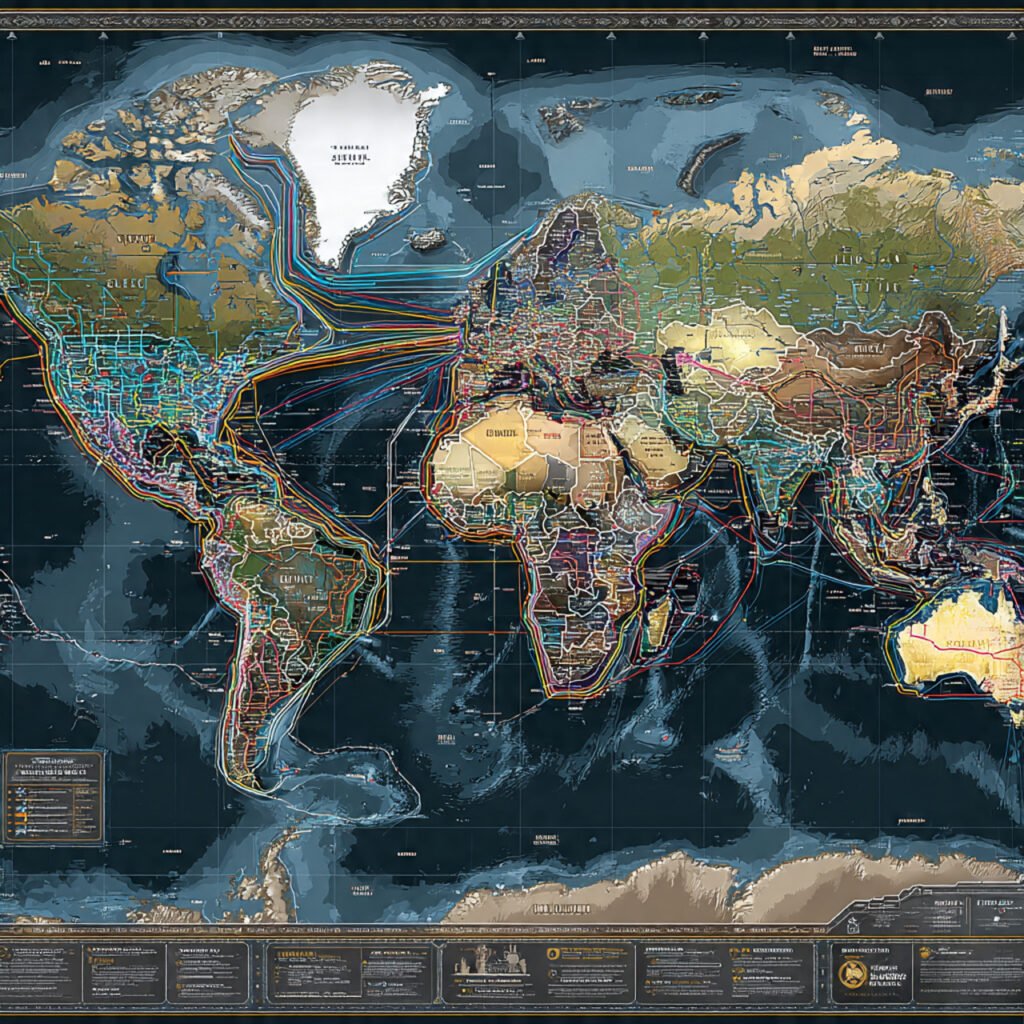
This situation reveals a deeper issue—how vulnerable the global energy system is to geopolitical shocks.
Key lessons:
The industry may shift strategies as a result.
The decline in earnings for Exxon Mobil and Chevron, despite rising oil prices, underscores the complex realities of the global energy market during times of conflict. The Iran war has disrupted shipments, reduced production, and created financial distortions that outweigh the benefits of higher prices.
As long as geopolitical tensions persist, energy companies will continue to face uncertainty. The situation serves as a powerful reminder that in global markets, price increases do not always translate into higher profits especially when supply chains are under strain.