
playstation plus june 2026 games
Thursday, May 20, 2026 Trusted by millions worldwide Back to News Tech PlayStation Plus Subscribers Are About to Lose Another...
Read More → Wednesday, May13, 2026
Trusted by millions worldwide
By mavia fazal
Trump Iran War Inflation Crisis As fuel prices soar and inflation hits its highest point in almost three years, public frustration is on the rise. Many voters who backed President Donald Trump, hoping for lower living costs, are now starting to wonder if the administration can get the economy back on track before things get worse. Recent reports on inflation indicate that climbing energy prices are driving up costs across transportation, food, and consumer goods. Analysts are cautioning that if the conflict with Iran continues, Americans might be looking at months of high prices and economic uncertainty.
Trump Iran War Inflation Crisis The escalating Trump Iran War Inflation Crisis is quickly shaping up to be one of the major political and economic hurdles for the United States in 2026. What started as a foreign policy clash in the Middle East has morphed into a domestic economic tempest, impacting Americans at gas stations, grocery stores, and in their everyday budgets nationwide. As fuel prices soar and inflation hits its highest point in almost three years, public discontent is growing. Many voters who backed President Donald Trump, lured by promises of lower living expenses, are now left wondering if the administration can get the economy back on track before things get worse. Recent inflation data reveals that rising energy costs are driving up prices across transportation, food, and consumer goods. Experts caution that if the conflict with Iran drags on, Americans might be looking at months of high costs and economic instability.
Few economic issues affect Americans as directly as gasoline prices. Across the United States, drivers are watching prices rise sharply compared to earlier this year, with some states seeing averages move well above $4 per gallon.
The spike is closely tied to instability in global oil markets following military escalation involving Iran. The Strait of Hormuz one of the world’s most important shipping routes for oil has become a central point of concern for energy traders and governments alike. Roughly one-fifth of global oil supply typically passes through the region, making any disruption economically significant.
For the White House, the timing could hardly be worse.
President Trump previously made falling energy prices a major part of his economic messaging. Earlier in the year, the administration highlighted declining fuel costs as evidence that inflation was easing. But the Iran conflict has reversed much of that progress, creating new political pressure ahead of key elections.
Economic analysts say energy costs rarely remain isolated. Once fuel prices rise, transportation expenses increase across nearly every industry, eventually pushing up grocery prices, airline fares, manufacturing costs, and retail goods.
That ripple effect is now beginning to appear across the broader economy.
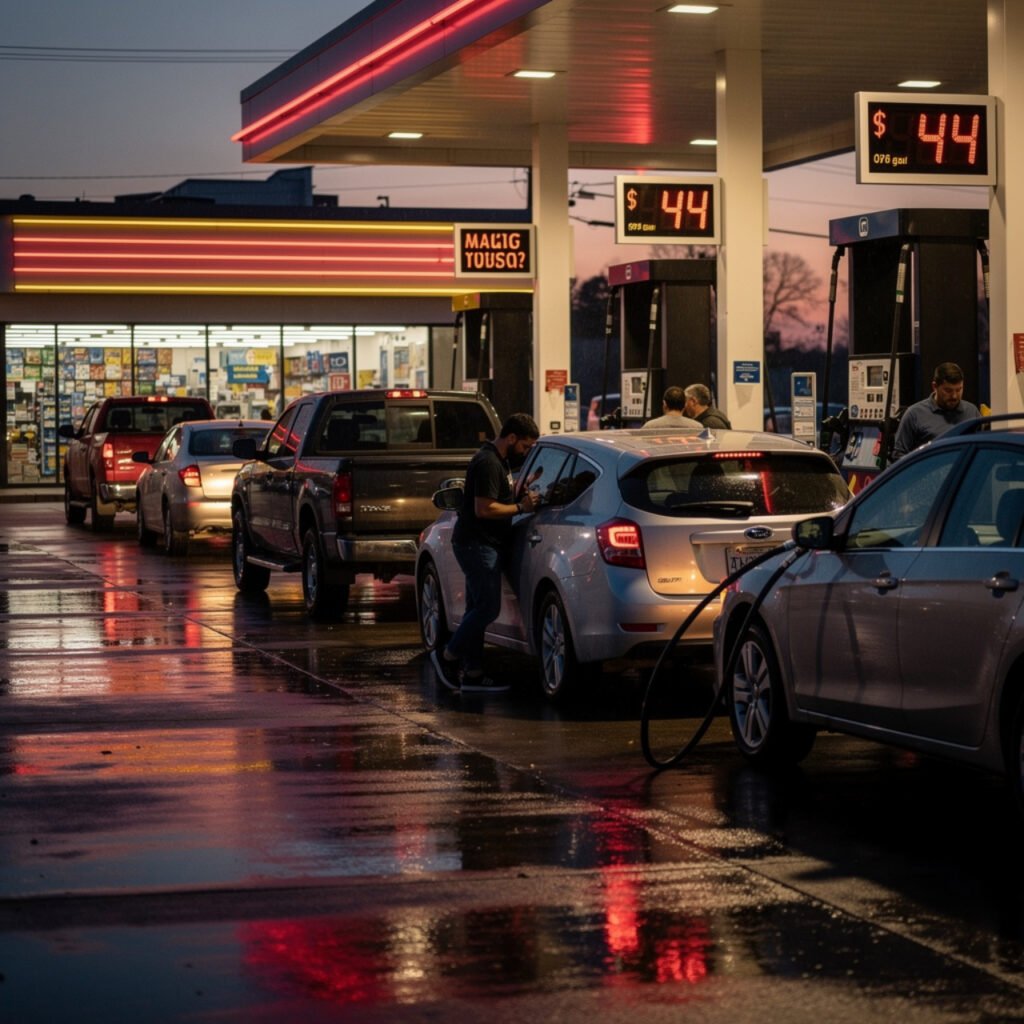
Inflation has once again become a dominant concern for millions of Americans.
According to recent economic reports, consumer prices climbed sharply in April, reaching levels not seen since 2023. Energy costs accounted for a major portion of the increase, though economists warn inflationary pressure is beginning to spread into other sectors as well.
For working families, the impact feels immediate.
Higher gasoline prices mean more expensive commutes. Delivery costs affect supermarket prices. Businesses facing rising transportation expenses often pass those costs directly to consumers. Even households that rarely travel are experiencing the effects through increased prices for everyday necessities.
Consumer confidence surveys are also showing signs of deterioration. Many Americans now fear that inflation could remain elevated longer than expected, especially if oil markets continue to face disruption from geopolitical tensions.
Some economists are drawing comparisons to previous periods of economic stress where energy shocks triggered broader inflation cycles. While conditions today are different from the 1970s oil crisis, the fear of “sticky inflation” is beginning to shape financial markets and political debate once again.
The administration argues that the military confrontation with Iran is necessary for national security and regional stability. Supporters of the president say global energy markets would face even greater uncertainty if Iran’s influence expands unchecked.
Critics, however, believe the economic consequences are becoming too severe for ordinary Americans.
Opposition lawmakers have increasingly linked the rising cost of living to the administration’s foreign policy decisions. Several political figures have argued that military escalation abroad is contributing directly to financial hardship at home.
This debate is reshaping the national political conversation.
The economic strain is not being distributed evenly.
Middle-income households are often the most vulnerable during periods of rising inflation because transportation, fuel, groceries, and utilities make up a larger share of their monthly budgets. Families commuting long distances for work are particularly exposed to higher fuel costs.
Small businesses are also facing increasing pressure.
Restaurants, delivery services, trucking companies, and independent retailers often struggle when operating expenses rise quickly. Many business owners are now warning that continued fuel increases may eventually force price hikes or staffing reductions.
Meanwhile, wage growth has not fully kept pace with inflation in several sectors, increasing concerns about declining purchasing power.
For many Americans, the issue is no longer abstract economics. It is about whether monthly paychecks can still cover basic living expenses.
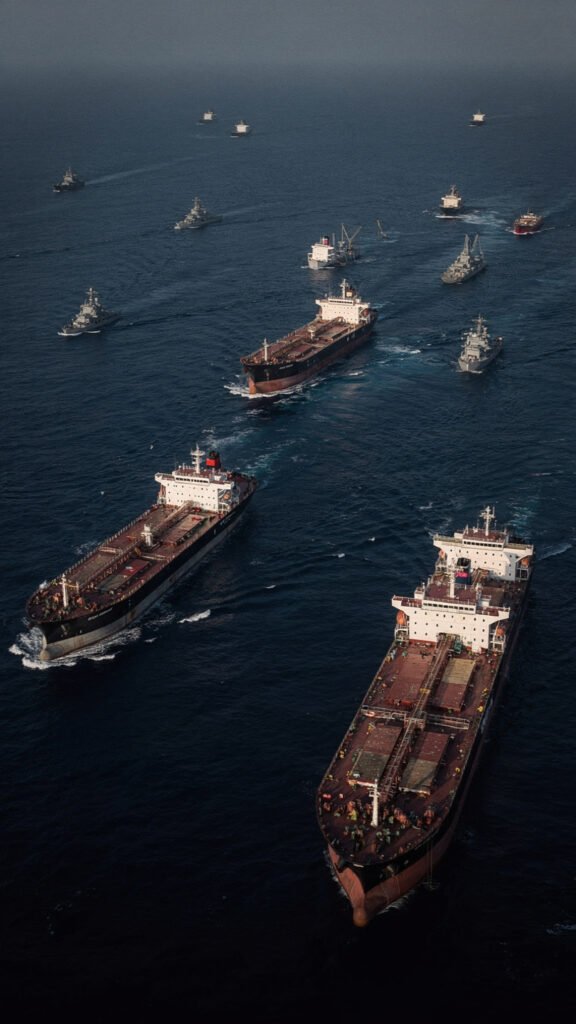
The escalating Trump Iran War Inflation Crisis has turned into much more than just a foreign policy issue. What began as rising tensions in the Middle East is now hitting American households hard, leading to higher gas prices, renewed worries about inflation, and growing economic uncertainty. For countless families, the effects are felt in their daily expenses from fuel and groceries to transportation and utility bills. As the pressure on the White House intensifies, the administration is caught in a tough spot, trying to juggle the geopolitical conflict overseas while also addressing economic concerns back home. Voters are keeping a close eye on whether inflation can be tamed before soaring costs further erode consumer confidence and household budgets. The next few months will likely reveal whether this economic upheaval is just a temporary hiccup or the start of a more serious political and financial crisis. Regardless, the interplay of war, energy markets, and inflation has once again highlighted how global conflicts can swiftly alter life in the United States.