
Monday, May 4, 2026
Trusted by millions worldwide
Politics
Trump Announces Plan to Get Ships Out of Hormuz, Vows US Support
Trump Hormuz shipping plan US support While details are still emerging, the announcement signals a clear intent to stabilize a route that plays a central role in the global economy.
Trump Announces Plan to Get Ships Out of Hormuz, Vows US Support
Trump Hormuz shipping plan US support A new proposal by Donald Trump to secure shipping routes through the Strait of Hormuz has brought fresh attention to one of the world’s most critical maritime chokepoints. The plan, which includes a commitment to U.S. support for commercial vessels, comes amid ongoing tensions that have raised concerns about global trade and energy security.
While details are still emerging, the announcement signals a clear intent to stabilize a route that plays a central role in the global economy.
Why the Strait of Hormuz Matters
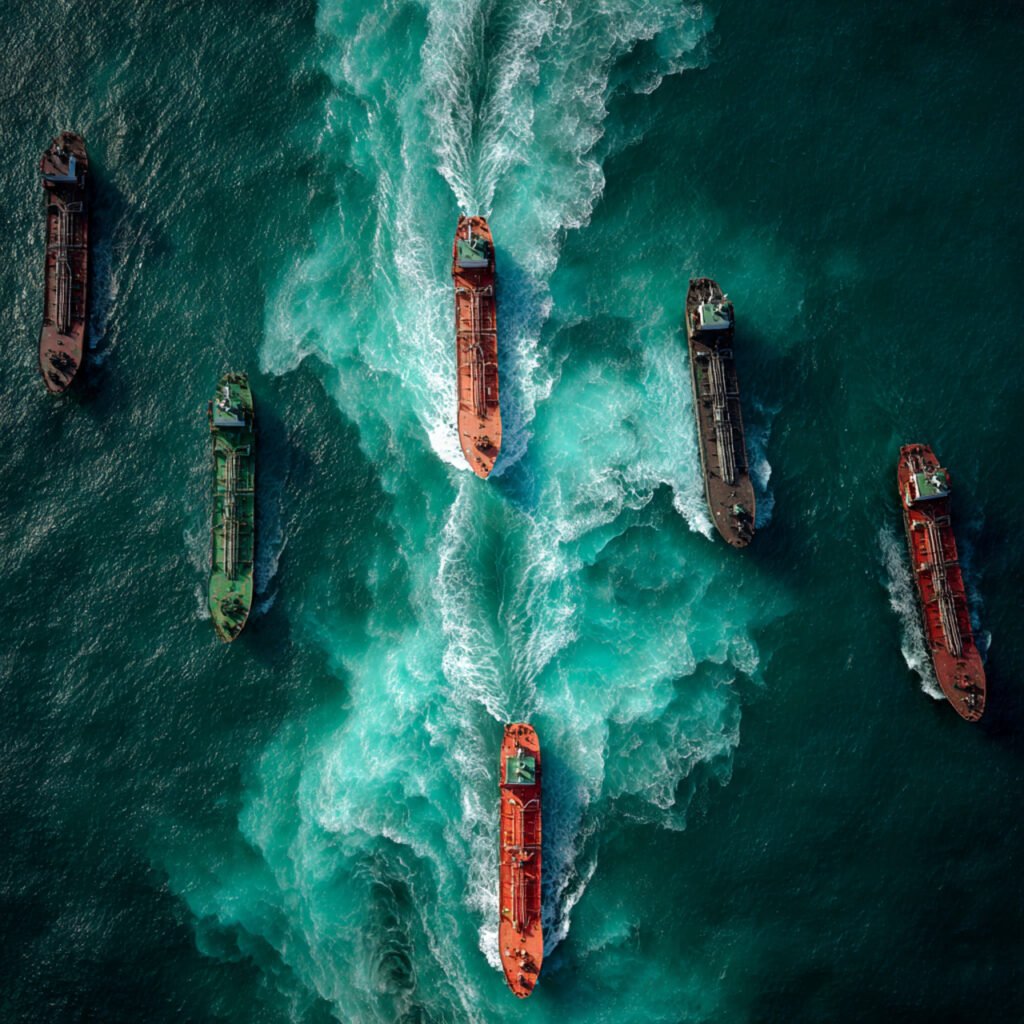
Strait of Hormuz is one of the most important shipping lanes in the world. Located between the Persian Gulf and the Gulf of Oman, it serves as a gateway for a significant portion of global oil exports.
Key facts about the strait include:
- a major share of global oil passes through it daily
- it is relatively narrow, making it vulnerable to disruption
- it connects key energy-producing regions to global markets
Because of its importance, any threat to the strait can quickly impact global prices and supply chains.
What Trump’s Plan Involves
According to statements by Donald Trump, the plan focuses on ensuring safe passage for ships while maintaining a strong U.S. presence in the region.
Although specific operational details have not been fully disclosed, the strategy appears to include:
- enhanced naval protection for commercial vessels
- coordination with international partners
- monitoring of key shipping routes
- deterrence against potential disruptions
The goal is to keep trade flowing while reducing the risk of escalation.
The Security Challenge in Hormuz
Maintaining security in the Strait of Hormuz is a complex task.
Challenges include:
- narrow waterways that limit maneuverability
- proximity to regional tensions
- risk of incidents involving commercial and military vessels
- difficulty in distinguishing between routine and hostile activity
These factors make the region particularly sensitive to geopolitical developments.
Impact on Global Oil Markets
Any instability in Hormuz can have immediate effects on global energy markets.
Potential impacts include:
- rising oil prices due to supply concerns
- increased transportation costs
- volatility in energy markets
- pressure on economies dependent on imports
Because energy markets are interconnected, even small disruptions can have wide-reaching consequences.
U.S. Strategic Objectives
The United States has long viewed freedom of navigation as a key priority.
In this context, the plan reflects broader strategic goals:
- maintaining open trade routes
- supporting global economic stability
- deterring potential threats
- reinforcing international maritime norms
These objectives extend beyond any single conflict and are part of a long-term approach to global security.
Role of International Cooperation
Securing shipping routes in Hormuz often requires coordination with other countries.
This can involve:
- joint naval operations
- information sharing
- coordinated response strategies
- diplomatic engagement
International cooperation can enhance effectiveness while reducing the burden on any single nation.
Risks and Concerns
While the plan aims to improve security, it also raises questions.
Some analysts point to:
- risk of escalation if tensions increase
- challenges in maintaining long-term presence
- potential economic costs
- uncertainty about how other regional actors will respond
Balancing security with stability remains a key challenge.
Broader Geopolitical Context
The situation in the Strait of Hormuz is closely linked to wider geopolitical dynamics in the Middle East.
Factors influencing the situation include:
- regional rivalries
- energy security concerns
- shifting alliances
- global economic pressures
Understanding these dynamics is essential to evaluating any proposed solution.

What This Means for Global Trade
Beyond oil, the strait is also important for broader trade flows.
Implications include:
- reliability of shipping routes
- cost of goods transported through the region
- supply chain stability
- confidence among global markets
Ensuring smooth passage is therefore critical for multiple industries.
What Happens Next
The effectiveness of the plan will depend on how it is implemented and how other stakeholders respond.
Key factors to watch include:
- level of international participation
- response from regional actors
- impact on shipping activity
- changes in market conditions
These developments will shape the outcome in the coming weeks and months.

Conclusion
The announcement by Donald Trump to secure shipping routes through the Strait of Hormuz highlights the ongoing importance of this critical waterway. As a vital link in the global energy and trade network, Hormuz remains a focal point for both economic stability and geopolitical strategy.
While the proposed plan aims to ensure safe passage and reduce disruption, its success will depend on careful implementation, international cooperation, and the broader geopolitical environment.
Related News

Trump Jeffries impeachment comment voting rights
May 4, 2026 | by mavia fazal
Monday, May 4, 2026 Trusted by millions worldwide Back to News Politics Trump goes after Jeffries after Supreme Court voting...
Read More → 
Trump Hormuz shipping plan US support
May 4, 2026 | by mavia fazal
Monday, May 4, 2026 Trusted by millions worldwide Back to News Politics Trump Announces Plan to Get Ships Out of...
Read More →