
playstation plus june 2026 games
Thursday, May 20, 2026 Trusted by millions worldwide Back to News Tech PlayStation Plus Subscribers Are About to Lose Another...
Read More → Wednesday, Aprail 8, 2026
Trusted by millions worldwide
Taiwan China talks 2026 The protracted US-China trade war has entered what economists describe as a damaging stalemate. Taiwan, positioned at the center of the global semiconductor supply chain, has felt the disruption acutely
Taiwan-China talks in 2026 have taken a significant turn as the island’s main opposition leader formally signaled openness to direct dialogue with Beijing — a move that analysts are calling one of the most consequential diplomatic shifts in the Taiwan Strait in more than a decade. The announcement, which came in the days leading up to the Islamabad Peace Summit, has prompted immediate reactions from Washington, Tokyo, Seoul, and global financial markets.
While formal cross-strait diplomacy has been effectively frozen for years, the 2026 geopolitical landscape — shaped by a prolonged US-China trade standoff, semiconductor supply chain vulnerabilities, and war fatigue across the Asia-Pacific — appears to be creating new openings for pragmatic engagement.
The timing of this diplomatic overture is not accidental. Several converging pressures have made both sides more willing to explore a structured form of engagement.
The protracted US-China trade war has entered what economists describe as a damaging stalemate. Taiwan, positioned at the center of the global semiconductor supply chain, has felt the disruption acutely. Taiwan’s technology exports which account for a substantial share of its GDP face increasing uncertainty as tariff walls on both sides of the Pacific continue to reshape global trade flows.
For Taiwan’s opposition bloc, stabilizing the economic environment through cautious diplomatic outreach is no longer seen as a political liability it is increasingly framed as a survival strategy.
Central to the opposition’s proposal is a mutual reduction in close-proximity military exercises in the Taiwan Strait. Over the past three years, People’s Liberation Army (PLA) air and naval incursions near Taiwan’s Air Defense Identification Zone (ADIZ) have reached record levels, straining both military resources and public nerves.
A temporary strategic pause in military posturing, the opposition argues, could create the breathing room necessary to build trust and establish functional communication channels between Taipei and Beijing.

One of the key mechanisms being discussed is the revival of the Taipei-Shanghai city-level forum a back-channel dialogue model that previously allowed officials from both sides to engage on non-sovereignty issues such as aviation routes, digital trade standards, and maritime safety protocols.
Proponents argue that city-to-city diplomacy offers a way to build practical cooperation without triggering the political landmines associated with high-level state-to-state negotiations. Critics, however, warn that any platform created under Beijing’s preferred framing risks implicitly legitimizing the One China principle.
According to sources familiar with the opposition’s position, the proposed roadmap includes several concrete steps:
The Biden-era policy of strategic ambiguity maintained and adapted by successive US administrations faces its most complex test yet.
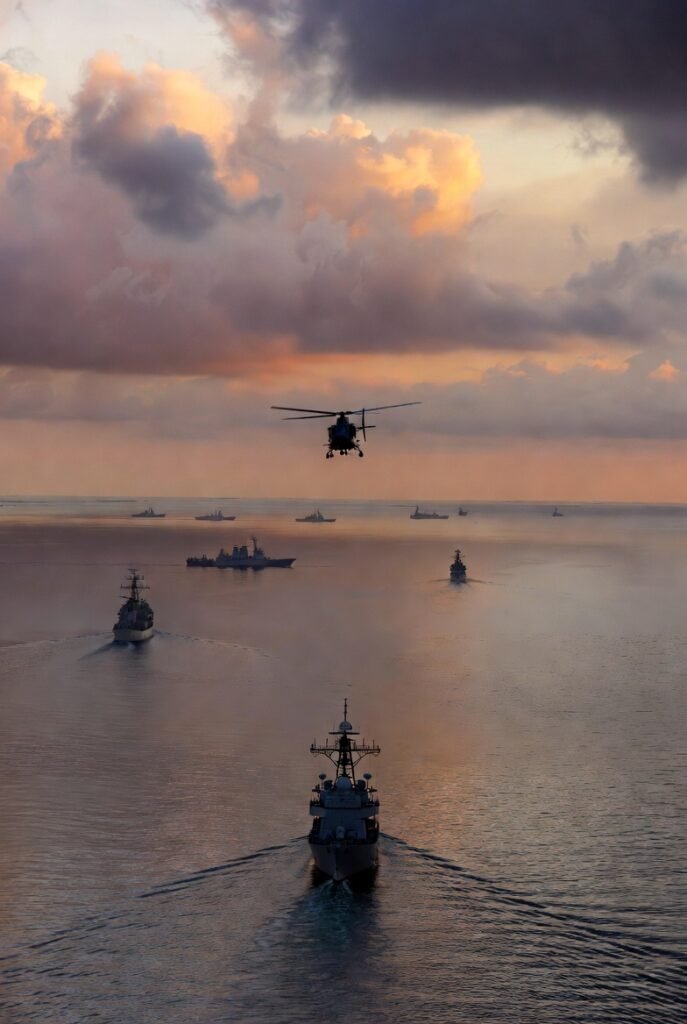
Tokyo and Seoul have welcomed the diplomatic signals, largely because a military escalation in the Taiwan Strait would be catastrophic for both economies. Japan’s defense establishment has been increasingly vocal about the interconnectedness of Taiwan’s security and its own. For South Korea, already managing North Korea-related security pressures, a second front in the strait has long been a nightmare scenario.
Global technology indices climbed approximately 4% following news of the diplomatic overture, as investors began pricing out what analysts had dubbed the geopolitical war premium on Taiwanese assets. Taiwan Semiconductor Manufacturing Company (TSMC) shares saw particular gains, reflecting market confidence that a diplomatic path could reduce the existential supply-chain risk that has weighed on the global chip market.
While the diplomatic signals are encouraging to many observers, seasoned analysts caution against premature optimism. Three significant structural obstacles remain.
Political legitimacy at home: Taiwan’s ruling party remains deeply skeptical of any engagement that could be perceived as compromising sovereignty. Public polling suggests that while Taiwanese citizens prefer .
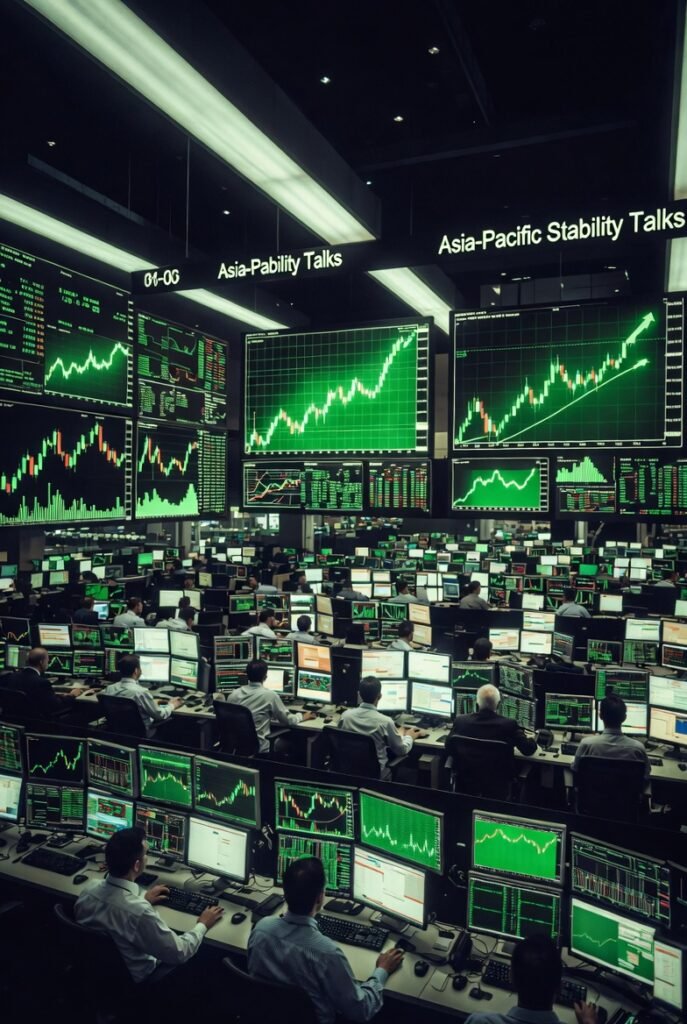
The 2026 cross-strait diplomatic overture represents something rare in the modern era of great-power competition: a genuine, if fragile, opening for de-escalation. Whether the Taiwan-China talks of 2026 evolve into a lasting framework or collapse under the weight of domestic politics and superpower rivalry remains to be seen.
What is clear is that the logic of pragmatic engagement rooted in shared economic interests and the catastrophic costs of conflict is finding new traction on both sides of the strait. For a region that has lived under the shadow of potential war for decades, even a measured step toward dialogue is consequential.