
Friday, April 17, 2026
Trusted by millions worldwide
Politics
Strait of Hormuz Reopening 2026: Global Oil Markets React to 10-Day Truce
he Strait of Hormuz reopened on April 17, 2026 but the 10-day window is fuelling as much anxiety as relief among global energy markets.
Strait of Hormuz Reopening 2026: Global Oil Markets React to Fragile 10-Day Truce
The Strait of Hormuz Reopening 2026 is now underway. On the morning of April 17, the world’s most critical oil transit chokepoint resumed limited operations after weeks of blockade, thanks to a Pakistan-brokered diplomatic agreement between the United States and Iran. The move sent immediate shockwaves through global energy markets but traders and governments alike are watching the clock. A hard deadline of April 27 means that without a follow-up deal, the world could find itself back in crisis within ten days.
For context, roughly 20 percent of the world’s total oil supply passes through this narrow channel between Iran and Oman daily. Its closure since late March had sent Brent Crude prices soaring past $124 per barrel and triggered fears of rolling blackouts across parts of Europe and Asia.
The Islamabad Agreement: How Pakistan Brokered the Truce
The diplomatic breakthrough that made the Strait of Hormuz Reopening possible did not happen in the Persian Gulf. It happened in Islamabad. Pakistani Prime Minister Shehbaz Sharif, leveraging Pakistan’s unique standing as a regional partner to both Washington and Tehran, hosted a series of closed-door negotiations that analysts are already calling a landmark moment in South Asian diplomatic history.
What the US-Iran Islamabad Agreement Actually Says
The core terms of the US-Iran Islamabad Agreement are narrow but significant. Iran has agreed to suspend all naval drills and armed drone patrols within the Strait’s transit corridor for ten days. In return, the United States has temporarily paused a specific set of maritime sanctions to allow for what officials are calling ‘humanitarian and economic transit.’
Both governments have been explicit: this is not a peace deal. It is a pause. Any provocation whether by state or non-state actors could trigger an immediate resealing of the Strait. The agreement’s fragility is part of why markets have not fully relaxed.

Market Reaction: Oil Price Drop and the Limits of Relief
The financial response to the reopening was swift. Brent Crude tumbled from $124 per barrel to approximately $102 within hours of the announcement one of the steepest single-session drops in recent oil trading history. Global Oil Price Volatility in 2026 has been extreme, and this drop reflects just how severely markets had priced in a prolonged blockade.
Why Analysts Say the Price Drop May Not Last
Despite the sharp decline, prices have not returned to pre-conflict levels. Energy economists point to what they are calling ‘Expiration Anxiety’ the market’s awareness that on Day 11, everything could reverse. Many institutional traders are maintaining hedged positions rather than making bold new bets.
The Maritime Insurance War Risk Premium the surcharge added by underwriters like Lloyd’s of London for vessels transiting conflict-adjacent waters has also not meaningfully declined. Insurers are waiting for at least one clean transit before recalibrating their risk models. Until that happens, shipping costs remain elevated, and that cost is passed along the entire supply chain.
The Race Against the Clock: Moving Oil Through a 10-Day Window
The logistics challenge is enormous. Hundreds of tankers have been anchored or rerouted for weeks. Now, port authorities and shipping operators face the task of clearing a massive backlog estimated at 17 to 20 million barrels per day of delayed supply in a compressed timeframe.
Mine-Sweeping, Priority Queues, and Joint Naval Presence
A priority queue system is in effect. Tankers carrying fuel destined for nations with critically low strategic reserves are being given first clearance. In a historically unprecedented arrangement, both US Navy vessels and Iranian Revolutionary Guard Corps (IRGC) ships are operating in the same corridor not cooperating, but maintaining a professional separation designed to keep the passage safe.
Mine-sweeping operations conducted in the 24 hours before the reopening cleared the most sensitive sections of the channel. Intelligence agencies from multiple nations are running continuous satellite surveillance to detect any third-party provocation.

Economic Ripple Effects: Inflation, Fuel Prices, and Consumer Relief
For ordinary consumers, the impact of the Strait of Hormuz Reopening will be felt but not immediately at the pump. There is typically a two-week lag between a crude oil price drop and a reduction in retail fuel prices. Refineries must first process incoming supplies before those savings reach the forecourt.
What has changed immediately is the psychological environment. The panic pricing seen at petrol stations across Europe and parts of Asia in recent days has already begun to stabilize. Spot freight rates which had surged due to rerouting through alternative, longer shipping lanes are also beginning to ease.
Energy Supply Chain Recovery: What Comes Next
The Energy Supply Chain Recovery is the longer story. Lower shipping costs reduce fuel surcharges on air freight. Container shipping rates begin to normalize. For businesses and families already dealing with 2026’s persistent inflation, this brief window represents a potential ceiling on further cost-of-living increases but only if the truce holds, or a longer agreement follows.
Strategic Risks: What Happens When the Clock Runs Out?
The April 27 deadline is already the dominant concern in energy markets. Governments are not waiting passively. The United States and several allied nations are in active discussions about a coordinated Strategic Petroleum Reserve Release to provide an additional supply buffer if negotiations collapse before a permanent deal is reached.
The bigger wildcard, however, is non-state interference. Extremist factions who oppose any form of normalisation between Washington and Tehran could view the current window as a high-value target. A single incident a sea mine, a drone strike, a vessel fire would be sufficient to end the agreement and re-trigger the blockade. That risk is why intelligence agencies across the region are on their highest alert.

The Strait as a Global Barometer: What This Moment Tells Us
The Strait of Hormuz Reopening on April 17, 2026 is more than an energy story. It is evidence that even in the most volatile geopolitical environments, diplomacy retains the capacity to function if the right intermediary is in the room. Pakistan’s role in facilitating the Islamabad Agreement may well reshape its standing as a neutral power broker in future crises.
For the next 240 hours, oil is flowing. Supply chains are moving. Inflation pressures may ease slightly. But the world understands this is borrowed time. The real test begins on Day 11 and how governments, markets, and negotiators respond to that moment will define energy security for years to come.
Related News
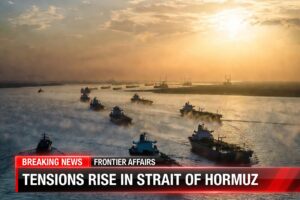
Strait of Hormuz Reopening 2026
April 17, 2026 | by ALI ASLAM
Friday, April 17, 2026 Trusted by millions worldwide Back to News Politics Strait of Hormuz Reopening 2026: Global Oil Markets...
Read More → 
social media algorithm changes 2026
April 17, 2026 | by mavia fazal
Friday,Aprail 17, 2026 Trusted by millions worldwide Back to News Tech Algorithm Sock 2026: Social Media Updates Hit Creator Reach...
Read More →