
playstation plus june 2026 games
Thursday, May 20, 2026 Trusted by millions worldwide Back to News Tech PlayStation Plus Subscribers Are About to Lose Another...
Read More → Tuesday, May 5, 2026
Trusted by millions worldwide
China is continuing to push its extensive territorial claims over large areas of the South China Sea, which overlap with claims from several neighboring countries like the Philippines, Vietnam, Malaysia, and Brunei. These competing claims involve not just disputed islands, but also maritime boundaries, fishing rights, and access to potentially valuable energy resources hidden beneath the sea floor. Experts point out that this issue goes beyond just regional disputes; the South China Sea is a crucial global trade route. So, any rise in tensions could have significant economic and security consequences that extend far beyond Asia.
The rising tensions in the South China Sea and China’s territorial claims are drawing more and more international attention. This situation highlights growing worries about maritime disputes, military activities, and the geopolitical rivalry in one of the most crucial waterways in the world. As regional powers ramp up their naval operations and diplomatic strains escalate, the South China Sea has turned into a key flashpoint that influences security conversations throughout the Indo-Pacific region. China is firmly asserting its extensive territorial claims over significant parts of the South China Sea, which overlap with claims from several neighboring nations, including the Philippines, Vietnam, Malaysia, and Brunei. These conflicting claims involve disputed islands, maritime boundaries, fishing rights, and access to potentially rich energy resources lying beneath the ocean floor. Experts argue that this issue goes beyond mere regional disputes. The South China Sea is also a vital global trade route. Therefore, any increase in tensions could have serious economic and security repercussions that extend far beyond Asia. As geopolitical competition heats up in 2026, the South China Sea continues to be one of the most closely monitored regions in international relations.
The South China Sea plays a critical role in the global economy and international trade.
A significant percentage of global maritime commerce passes through the region each year, including energy shipments, manufacturing exports, and international supply chain traffic connecting Asia with Europe, the Middle East, and North America.
Beyond trade routes, the region is believed to contain substantial reserves of:
This combination of economic and military importance has made the South China Sea one of the world’s most strategically contested regions.
The South China Sea tensions China territorial claims analysis therefore involves not only sovereignty disputes but also broader concerns regarding global trade stability, military influence, and long-term geopolitical balance in the Indo-Pacific.
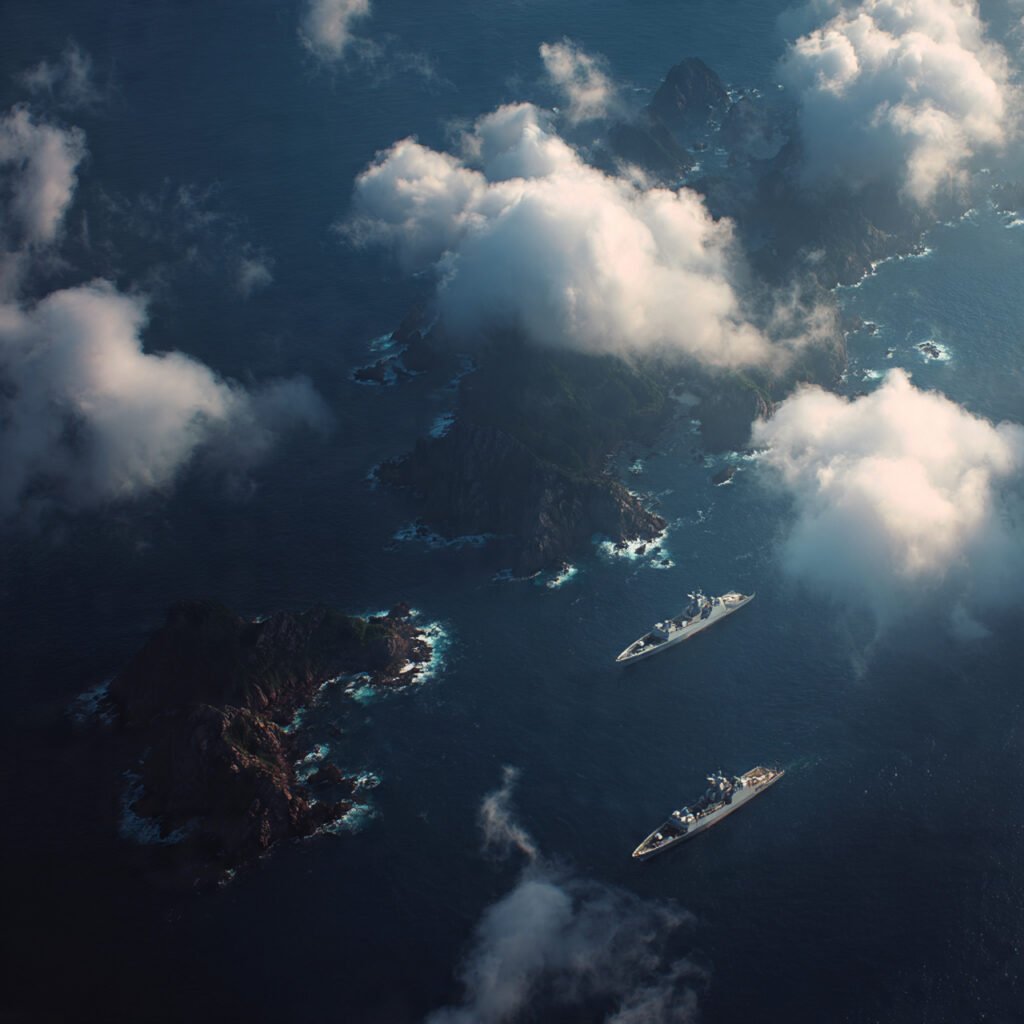
Countries involved in the dispute continue strengthening diplomatic, legal, and military responses to protect maritime interests.
The Philippines and Vietnam in particular have increased regional security coordination and maritime patrol activities in response to growing tensions.
Several Southeast Asian governments continue attempting to balance economic relationships with China while also protecting national sovereignty claims and regional security interests.
The South China Sea tensions China territorial claims analysis highlights the difficult position many regional states face as they navigate between economic cooperation and strategic competition.
Some countries are also strengthening defense partnerships with outside powers to improve maritime monitoring and regional deterrence capabilities.
The United States continues playing a major role in South China Sea security discussions.
Washington maintains that freedom of navigation and international maritime law must remain protected within the region. American naval operations and military partnerships across the Indo-Pacific are often presented as efforts to preserve regional stability and prevent unilateral control over international waters.
China, however, frequently criticizes outside military involvement near its claimed territories, arguing that foreign operations increase instability and strategic confrontation.
The South China Sea tensions China territorial claims analysis therefore increasingly reflects broader geopolitical rivalry between China and the United States as both powers compete for long-term influence across the Indo-Pacific.
This evolving security environment reflects broader concerns regarding long-term strategic balance in Asia.
The South China Sea tensions China territorial claims analysis suggests the region may continue shaping defense planning and diplomatic alignment throughout the coming decade.
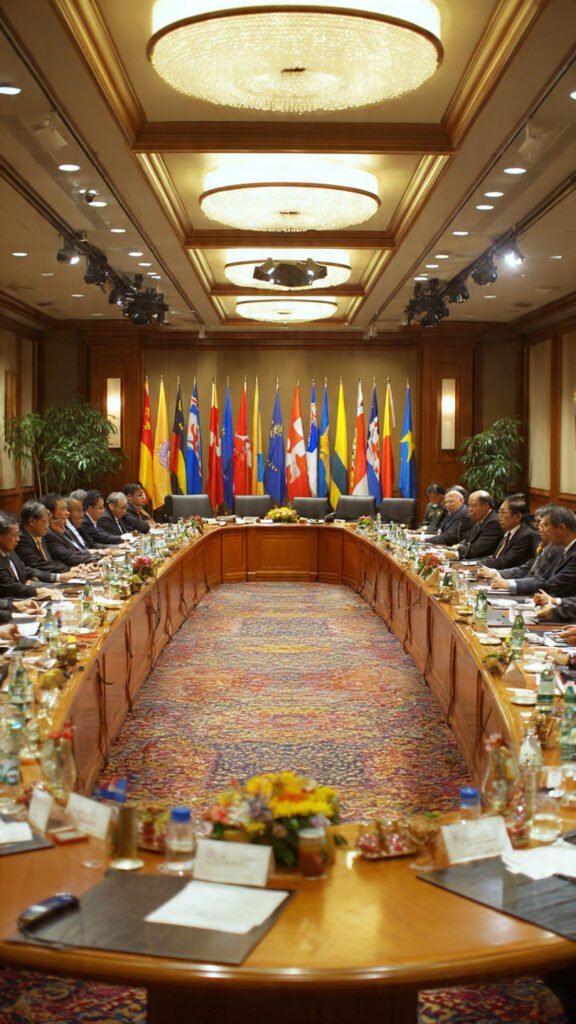
One of the biggest concerns among security analysts is the growing risk of accidental escalation.
As naval patrols, surveillance operations, military exercises, and coast guard encounters increase throughout the region, the possibility of operational misunderstandings or confrontations also rises.
Even relatively minor incidents involving vessels or aircraft could potentially trigger diplomatic crises if tensions escalate rapidly.
The South China Sea tensions China territorial claims analysis increasingly centers on crisis management and communication mechanisms designed to reduce the risk of unintended conflict.
Regional governments and international observers continue emphasizing the importance of diplomatic channels and military coordination protocols.
International maritime law continues playing a major role in debates surrounding territorial claims.
The United Nations Convention on the Law of the Sea provides legal frameworks regarding maritime boundaries, exclusive economic zones, and navigation rights.
However, interpretations and enforcement of international rulings remain highly contested within the region.
Previous international arbitration decisions involving maritime claims have intensified disagreements over sovereignty and legal legitimacy.
The South China Sea tensions China territorial claims analysis highlights the broader challenge of enforcing international legal standards within highly strategic geopolitical disputes involving major powers.
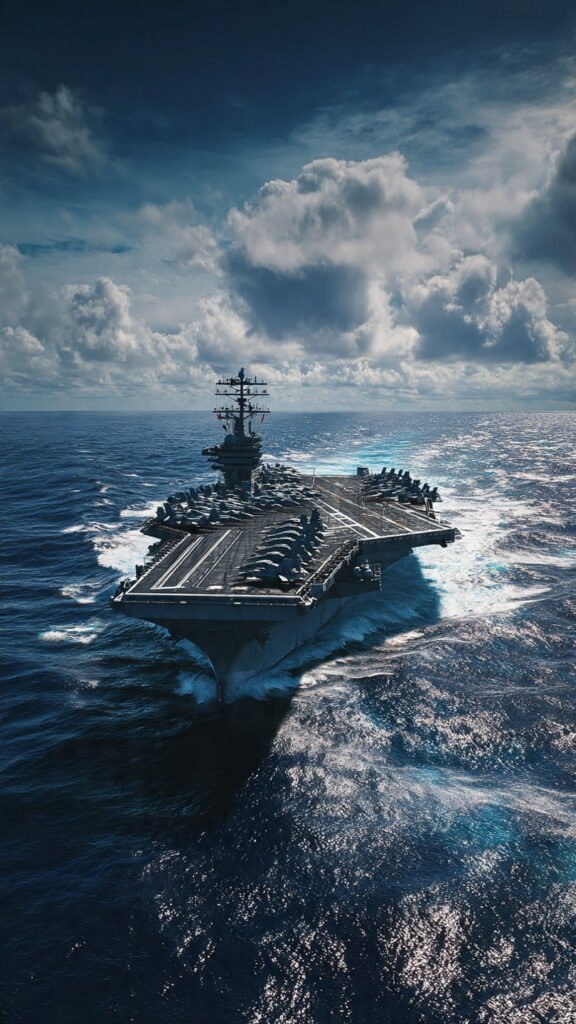
The rising global focus on the tensions in the South China Sea and China’s territorial claims highlights just how significantly this dispute is shaping international security, trade, and geopolitical strategies. China’s growing maritime presence, along with competing sovereignty claims and increased military activity, is fueling tensions in one of the world’s most strategically vital areas. Meanwhile, neighboring nations and global powers are stepping up their responses through diplomacy, defense alliances, and maritime operations. While a major conflict isn’t guaranteed, the potential for miscalculations, economic disruptions, and ongoing geopolitical rivalries is raising serious concerns worldwide. The future stability of the South China Sea may hinge on whether regional players can find a way to balance their national interests, adhere to international law, and navigate strategic competition without letting tensions spiral into broader confrontations. As the Indo-Pacific region becomes more crucial to global politics, the South China Sea is set to remain a key geopolitical issue for this decade.