Australia voter dissatisfaction 2026
Monday, Aprail 13, 2026 Trusted by millions worldwide Back to News Polotics Australia Political Crisis 2026: Voter Dissatisfaction Intensifies Frontier...
Read More → 
Monday, Aprail 13, 2026
Trusted by millions worldwide
Russia oil revenue 2026 This approach has yielded tangible results. Several nations that once abstained on UN resolutions condemning Russia’s actions in Ukraine have gradually shifted their positions.
Russia’s oil revenue in 2026 has reached levels that few Western policymakers anticipated when sweeping sanctions were first imposed. Despite years of economic pressure, Moscow has not only sustained its energy export income it has grown it. The question now is not whether Russia’s petrodollars are flowing, but where they are going and what they are buying on the world stage.
This report examines how Russia is using its 2026 oil windfall to shift geopolitical alliances, challenge the dollar’s dominance in commodity markets, and entrench its influence across Asia and Africa.
The G7 price cap on Russian crude oil, introduced in December 2022, was designed to limit Moscow’s revenues while keeping global energy markets stable. By early 2026, analysts at the International Energy Agency (IEA) and energy consultancy Rystad Energy have noted that the mechanism has been significantly undermined by what has become known as the ‘shadow fleet’ a network of aging tankers, opaque shipping companies, and alternative insurance providers operating outside Western financial systems.
According to estimates cited in multiple energy trade publications, Russia now routes a large majority of its crude exports particularly Urals and ESPO Blend grades through logistics chains that do not touch G7-linked banks or insurance firms. China and India have absorbed the bulk of this volume, becoming Russia’s two largest crude customers by a wide margin.
The result: Russia’s federal budget revenues from oil and gas in 2025 were substantially higher than in 2021, before the war in Ukraine began. The fiscal cushion this provides has allowed the Kremlin to continue funding both its military operations and domestic social spending without triggering the kind of economic collapse that Western governments had hoped for.
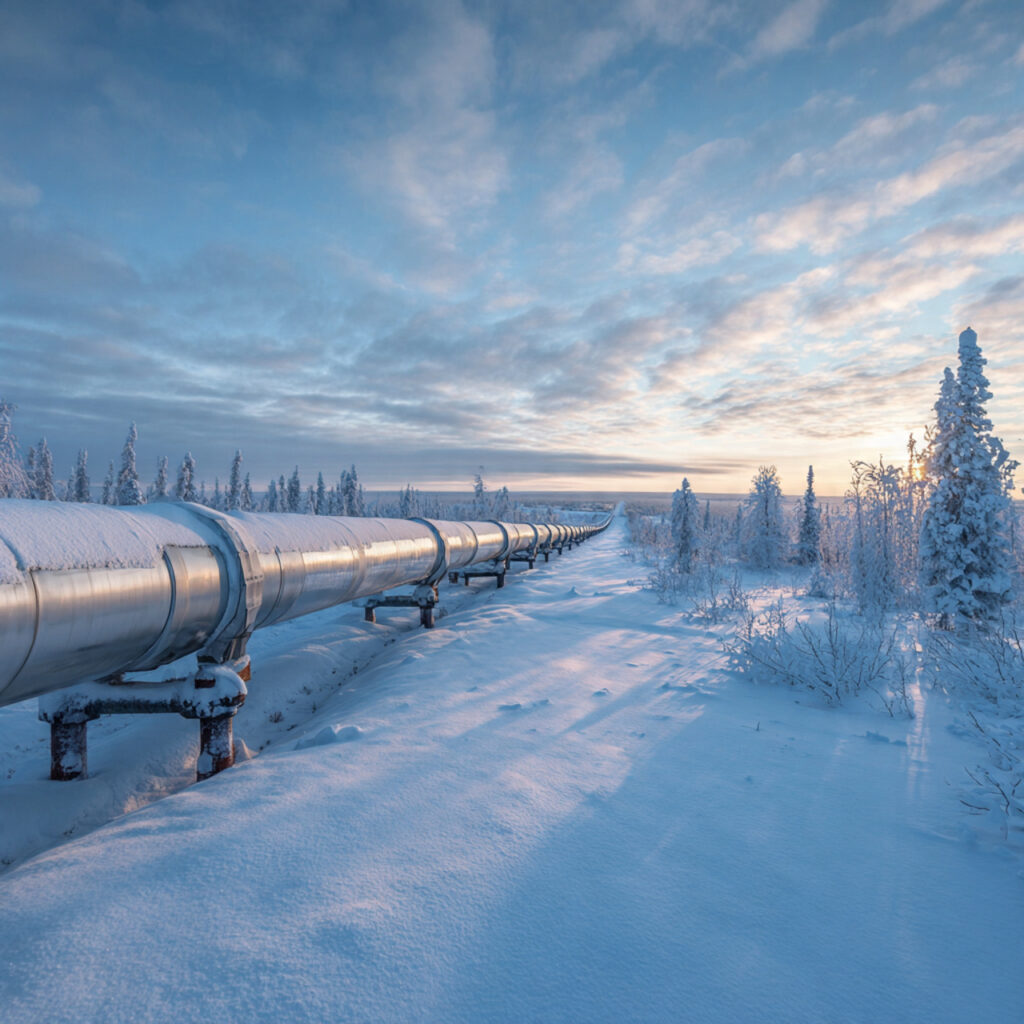
Russia is not merely selling oil it is leveraging it. Since 2023, Moscow has pursued a deliberate strategy of offering long-term, discounted supply contracts to countries in Southeast Asia, Africa, and Central Asia in exchange for political neutrality or active support in international forums like the United Nations.
This approach has yielded tangible results. Several nations that once abstained on UN resolutions condemning Russia’s actions in Ukraine have gradually shifted their positions. Energy economists describe this as a ‘commodity-for-alignment’ trade, where affordable energy replaces direct financial aid as the primary tool of influence.
Beyond contract pricing, Russia has also financed refinery infrastructure projects in friendly nations embedding Russian engineers, technology, and equipment into foreign energy sectors. This creates long-term dependency that outlasts any single contract cycle.
Russia’s influence extends into the OPEC+ alliance, where it coordinates production cuts and increases alongside Saudi Arabia and other Gulf producers. This coordination has been a key factor in sustaining a ‘geopolitical risk premium’ in global crude benchmarks throughout 2025 and into 2026.
When Brent crude prices dip toward levels that pressure Russia’s budget, coordinated OPEC+ supply adjustments have historically provided support. Critics argue this gives Moscow an effective tool to manipulate energy markets in ways that benefit its revenue targets a dynamic that European importers and Asian buyers alike must navigate
While the dollar remains overwhelmingly dominant in global commodity pricing, the marginal shift away from USD settlement particularly in Russia-China and Russia-India trade represents the most concrete example yet of what economists call ‘de-dollarization in practice.’ .

One of the more structural and underreported consequences of Russia’s energy pivot is the accelerating move away from US dollar settlement in commodity trade. Russia and China have significantly expanded the volume of energy transactions settled in Chinese yuan. The UAE dirham has also featured in some bilateral agreements.
While the dollar remains overwhelmingly dominant in global commodity pricing, the marginal shift away from USD settlement particularly in Russia-China and Russia-India trade represents the most concrete example yet of what economists call ‘de-dollarization in practice.’ If this trend broadens to include more OPEC+ members, the long-term implications for the dollar’s reserve currency status could be significant.
For energy traders, policymakers, and investors, Russia’s 2026 oil strategy presents a set of clear realities:
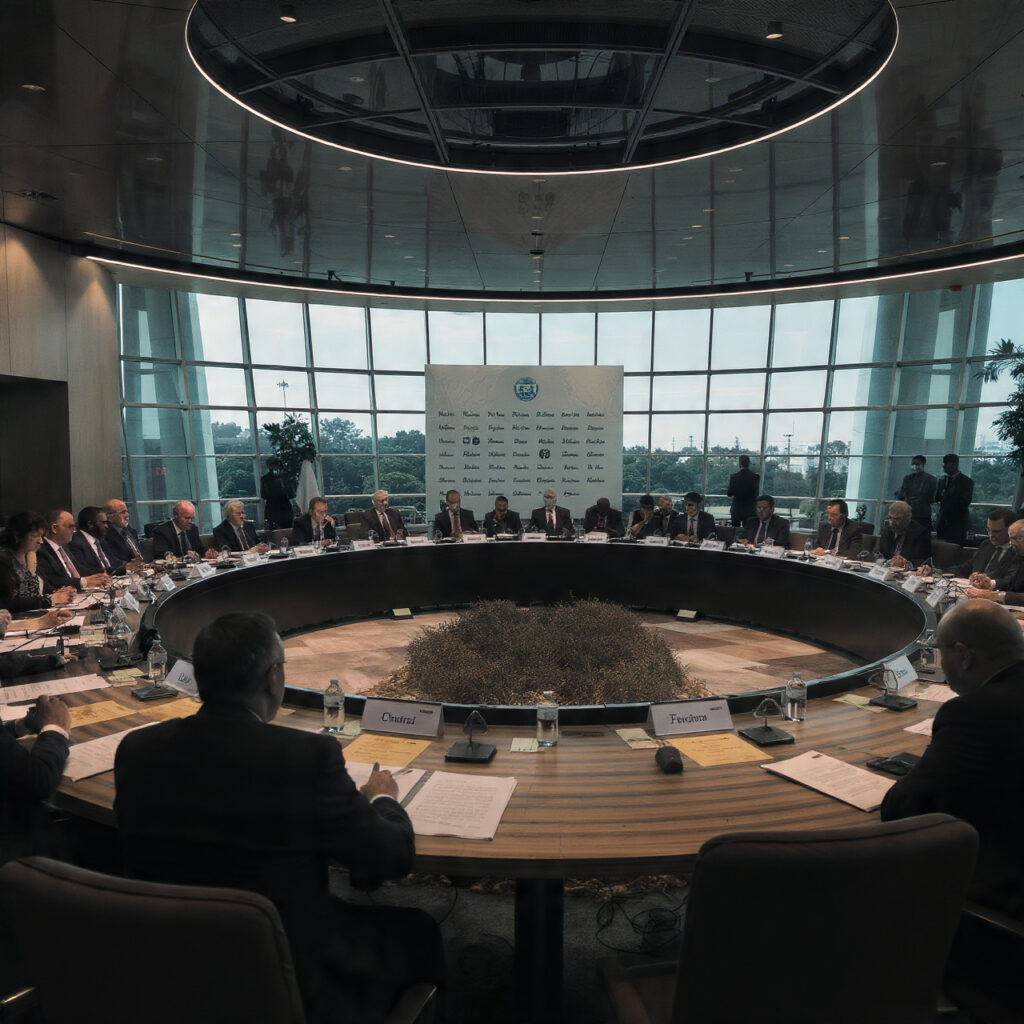
Russia’s 2026 oil revenue strategy is a case study in what analysts are calling ‘commodity statecraft’ the use of raw material exports as an instrument of foreign policy rather than merely economic activity. The Kremlin has demonstrated that in a world still deeply dependent on fossil fuels, controlling supply chains confers a form of diplomatic power that financial sanctions alone cannot neutralize.
As energy transition timelines in developing nations remain uncertain, and as Asian economies continue to prioritize affordable energy over geopolitical alignment with the West, Russia’s position as a dominant energy supplier will remain a core feature of global power dynamics in 2026 and beyond.
For readers tracking geopolitics, energy markets, or global finance Moscow’s oil playbook deserves close attention.