
playstation plus june 2026 games
Thursday, May 20, 2026 Trusted by millions worldwide Back to News Tech PlayStation Plus Subscribers Are About to Lose Another...
Read More → Thursday, Aprail 9, 2026
Trusted by millions worldwide
oil prices 2026 The move higher came after major tanker operators confirmed they would not resume Hormuz transits until clearer terms on the ceasefire are verified and enforced.
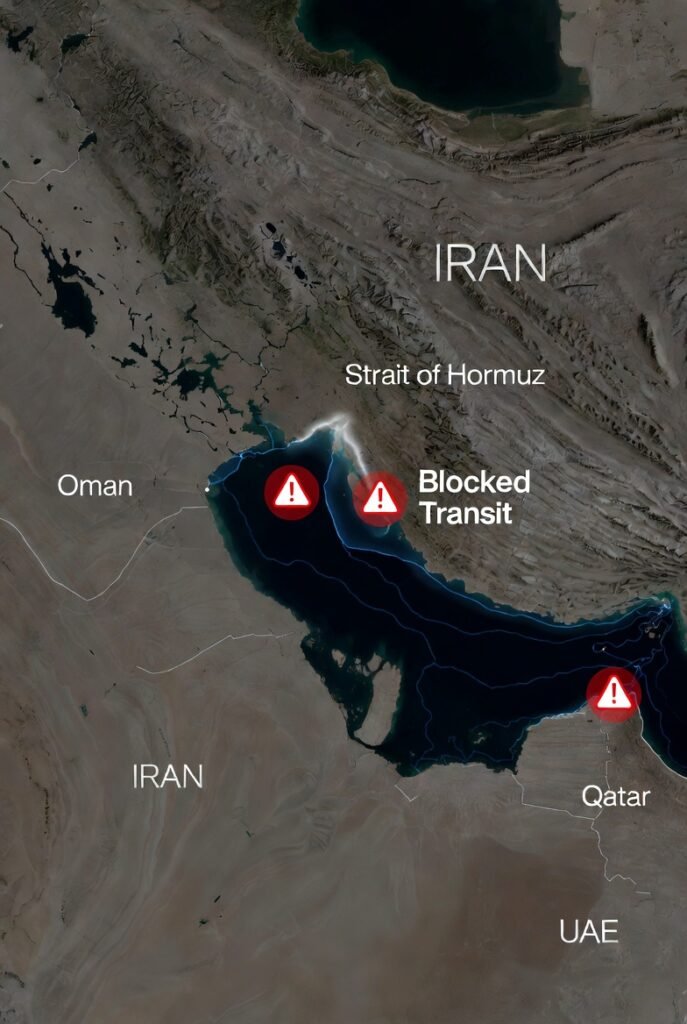
Oil prices 2026 have staged a sharp reversal this week, with Brent crude rising nearly 4% on Thursday, April 9, to hit $98.44 per barrel its highest level in months. The short-lived relief from a Wednesday ceasefire announcement has evaporated quickly, as global shipping companies continue to avoid the Strait of Hormuz and investors price in what analysts are calling a sustained ‘war premium’ on energy.
The move higher came after major tanker operators confirmed they would not resume Hormuz transits until clearer terms on the ceasefire are verified and enforced. The Strait of Hormuz is the world’s most critical oil chokepoint, responsible for approximately 20% of global crude oil shipments. Its ongoing disruption has placed a hard floor under oil prices and is rippling across equities, currencies, and inflation forecasts worldwide.
oil prices 2026 The core problem for energy markets is a ‘credibility gap’ between political announcements and ground-level reality. While a two-week ceasefire was formally announced on Wednesday, traders and shipping executives say the agreement lacks a verified reopening protocol for the Strait meaning tankers remain at risk regardless of the diplomatic language.
Brent crude futures reflect this skepticism. After briefly dropping around 15% during an earlier period of cautious optimism, prices have now nearly recovered all of those losses in just a few trading sessions. WTI crude has followed a similar trajectory, and energy analysts at several major banks have raised their near-term price targets above $100 per barrel if the Hormuz situation remains unresolved beyond two weeks.
Adding to market anxiety, geopolitical signals from Washington have reinforced caution. Comments from U.S. officials suggesting military preparedness in the region has not been scaled back have kept risk premiums elevated in both crude oil and natural gas futures markets.
For now, with oil prices 2026 hovering just below the $100 threshold and no clear diplomatic breakthrough in sight, the energy market is in a state of tense watch. Investors, policymakers, and consumers are all waiting for the same thing: a credible, verified signal that the Strait of Hormuz is open for business again.

The energy shock is not contained to the oil patch. The European Central Bank (ECB) has already revised its 2026 eurozone inflation forecast upward to 3.1%, acknowledging that energy input costs are bleeding into consumer goods, freight, and food supply chains. Analysts warn that if prices stay above $95 per barrel through mid-year, a second wave of headline inflation could complicate rate decisions across the G7.
In the United States, the Federal Reserve faces a difficult balancing act. The five-year Treasury yield a closely watched indicator of medium-term inflation expectations has been moving erratically as traders weigh the prospect of energy-driven inflation against the possibility that prolonged high prices could slow industrial output enough to force eventual rate cuts.
Stock markets across Europe and North America declined on Thursday as the oil price rally renewed fears of margin compression in manufacturing, logistics, and petrochemicals. Companies in those sectors face a dual burden: higher energy costs for their own operations, plus rising freight rates that make moving goods more expensive.
Investor positioning has shifted markedly. Currency traders have moved into the Canadian dollar and Norwegian krone both backed by oil-exporting economies while demand for traditional safe havens including gold and U.S. Treasury bills has also risen. The pattern reflects a market that is hedging for a prolonged period of volatility rather than anticipating a quick resolution.
Gold prices have traded in a volatile range as large systematic funds alternate between buying the metal as an inflation hedge and selling it to raise cash during periods of broad market stress. Silver has tracked gold with amplified volatility. Agricultural commodity markets have also come under pressure, as diesel prices closely linked to crude oil directly affect the cost of planting, harvesting, and transporting food globally.
Market watchers say the next 48 to 72 hours will be critical. Several developments could shift the current trajectory significantly:
Beyond the immediate price action, the events of early April 2026 are accelerating a longer-term debate about energy security and supply chain resilience. Governments in Europe and Asia have quietly begun accelerating emergency stockpile reviews, and several refiners are evaluating alternative crude grades to reduce exposure to Middle Eastern supply routes.
Renewable energy advocates and investors point to this volatility as further evidence that the transition away from fossil fuels carries its own form of insurance value. However, with global renewable capacity still insufficient to replace oil-based transportation and industrial energy in the near term, the world remains highly exposed to geopolitical shocks in oil-producing regions.
For now, with oil prices 2026 hovering just below the $100 threshold and no clear diplomatic breakthrough in sight, the energy market is in a state of tense watch. Investors, policymakers, and consumers are all waiting for the same thing: a credible, verified signal that the Strait of Hormuz is open for business again.
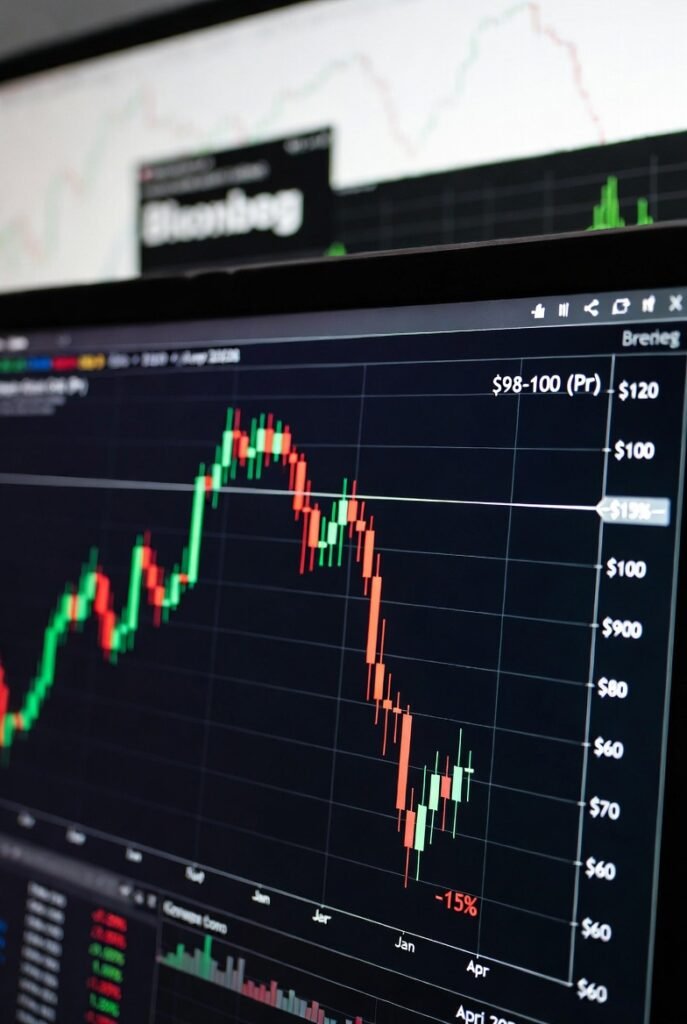
The Energy Market Volatility Trends of 2026 represent a world that no longer trusts the “Dip.” The global markets react to truce doubts by assuming the worst, proving that in a fragmented geopolitical order, a signature on a paper is no match for a tanker in a chokepoint. As oil prices approaching $100 threaten to derail the 2026 recovery, the investors react to oil spike with a clear message: the “War Premium” is here to stay. On this April 9, 2026, the “Samson Option” for the markets isn’t nuclear it’s the relentless, grinding pressure of three-digit oil.