
playstation plus june 2026 games
Thursday, May 20, 2026 Trusted by millions worldwide Back to News Tech PlayStation Plus Subscribers Are About to Lose Another...
Read More → Wednesday, May 6, 2026
Trusted by millions worldwide
While oil prices continue to fluctuate wildly, recent shifts in global trade routes, production levels, and international tensions have raised alarms about the potential for lasting instability in energy markets. Investors, governments, and businesses are gearing up for the chance that crude oil prices could soar to heights that many thought were a thing of the past in today’s market. The fallout from such a spike would ripple far beyond just the energy sector, impacting inflation, transportation expenses, manufacturing, consumer spending, and overall economic growth around the globe.
The idea of oil prices hitting $200 by 2026 has become a hot topic in the world of finance and energy. With geopolitical tensions, supply worries, and a surge in global demand, crude oil prices are feeling the heat. Analysts from major financial institutions and commodity markets are increasingly pondering whether we might be on the brink of another significant energy crisis, reminiscent of those that have previously transformed the global economy. As oil prices continue to fluctuate wildly, recent shifts in global trade routes, production levels, and international conflicts have heightened fears that energy markets could be facing a prolonged period of instability. Investors, governments, and businesses are now bracing themselves for the possibility that crude oil prices could soar to heights that once seemed unimaginable in today’s market. The fallout from such a spike would ripple far beyond just the energy sector, impacting inflation, transportation expenses, manufacturing, consumer spending, and overall economic growth around the globe.
Global oil markets in 2026 are facing a combination of factors that together have created unusually strong upward pressure on prices. One of the biggest concerns is the growing imbalance between supply and demand.
Energy demand has continued rising across several major economies despite slower global growth forecasts. Industrial recovery in parts of Asia, increased transportation activity, and higher seasonal fuel demand have contributed to stronger-than-expected consumption levels.
At the same time, oil producers are struggling to maintain stable output growth. Production constraints, infrastructure limitations, and political instability in some energy-producing regions have reduced flexibility in global supply chains.
This imbalance has created an environment where even small disruptions can trigger sharp price movements across international markets.
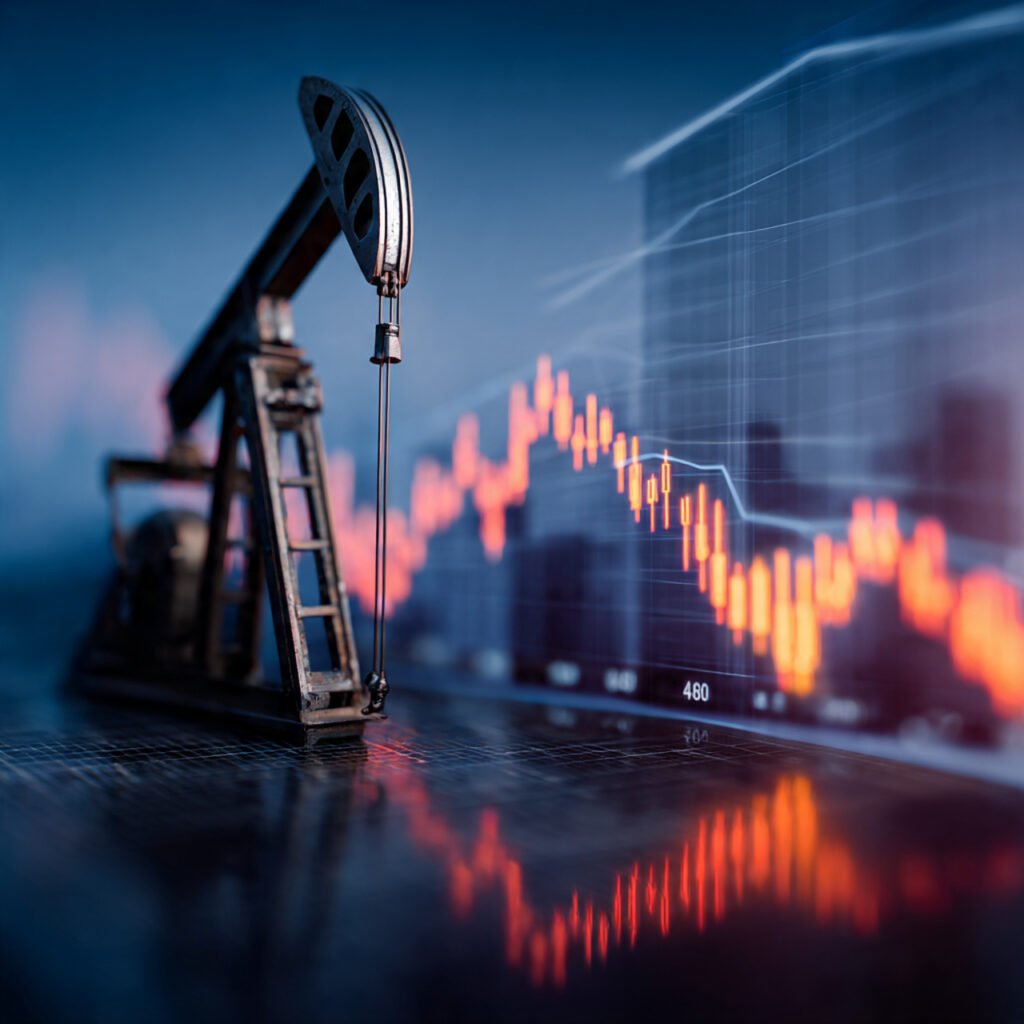
Higher fuel costs typically influence:
As businesses absorb higher operating costs, households often face broader inflation across everyday spending categories.
Geopolitical instability remains one of the biggest drivers behind fears surrounding Oil Price $200 2026.
Conflicts affecting key shipping lanes and oil-exporting regions have increased uncertainty about future energy supplies. Traders are closely monitoring developments in strategically important regions where disruptions could affect millions of barrels of daily production or transportation capacity.
Energy markets tend to react aggressively to geopolitical uncertainty because oil remains deeply connected to global trade and economic activity. Even the perception of potential supply interruptions can lead to rapid price increases as investors attempt to secure positions before shortages emerge.
The situation has become especially sensitive because global energy markets are already operating with relatively tight spare production capacity.
The policies of major oil-producing nations continue to play a central role in determining price direction in 2026.
OPEC and allied producers remain influential in balancing global supply through coordinated production strategies. Decisions regarding output cuts or production increases can immediately influence market sentiment and futures pricing.
Several producing nations are prioritizing price stability and long-term revenue generation rather than maximizing short-term production growth. This approach has contributed to tighter market conditions during periods of strong demand.
Analysts believe that if supply discipline continues while demand remains elevated, oil markets could experience further upward pressure throughout the year.
The possibility of Oil Price $200 2026 has raised serious concerns among economists because of its potential impact on inflation and global economic stability.
Higher oil prices directly influence transportation, manufacturing, and energy costs. These increases are often passed on to consumers through higher prices for goods and services.
Fuel costs affect nearly every part of the global economy, from airline operations and shipping networks to food distribution and industrial production. As energy expenses rise, businesses may reduce investment or increase consumer prices to protect profitability.

Financial markets worldwide are becoming more attuned to developments in the energy sector. Commodity traders, hedge funds, and institutional investors are keeping a close eye on crude oil futures as volatility ramps up. Sudden shifts in energy prices often ripple through the broader markets, impacting stocks, currencies, and bond yields. During times of rising prices, energy companies have attracted renewed interest from investors, while sectors that rely heavily on fuel consumption are feeling the squeeze. The prospect of persistently high oil prices has sparked a lively debate about whether global markets are heading into another extended inflationary period.
For consumers, the effects of sharply rising oil prices may become increasingly visible if the market continues moving upward.
As businesses absorb higher operating costs, households often face broader inflation across everyday spending categories.
Economists warn that prolonged energy inflation can weaken consumer confidence and reduce purchasing power, especially in economies already facing high living costs.
The fear surrounding Oil Price $200 2026 is therefore not only about commodity markets it is also about broader economic pressure on households and businesses.
The current energy market environment has also reignited debates around renewable energy and long-term energy transition strategies.
Some policymakers argue that repeated oil market instability highlights the importance of reducing dependence on fossil fuels through investment in renewable energy infrastructure.
Others caution that the transition away from traditional energy systems remains complex and will take years to fully implement at a global scale.
In the short term, oil continues to play a dominant role in transportation, manufacturing, and industrial production, meaning global economies remain highly exposed to crude price fluctuations.
The Oil Price $200 2026 debate has therefore become part of a larger conversation about future energy security and sustainability.
While some analysts believe the $200 scenario remains unlikely, others argue that extreme price levels cannot be ruled out under current market conditions.
Historically, oil prices have reacted sharply during periods of geopolitical conflict, supply disruptions, or sudden spikes in demand. In tight markets, volatility can accelerate quickly when investor sentiment shifts.
Several financial institutions have warned that sustained disruptions in key producing regions could push prices significantly higher than current expectations.
However, some economists believe slowing global growth and demand adjustments could eventually stabilize prices before reaching extreme levels.
The uncertainty itself has become one of the defining characteristics of global energy markets in 2026.
The uncertainty surrounding Oil Price $200 2026 is also influencing long-term investment strategies across multiple industries. Energy-intensive sectors such as aviation, shipping, manufacturing, and logistics are increasingly reassessing operational costs and future expansion plans amid fears of prolonged fuel volatility. Some corporations are accelerating investments in energy efficiency technologies and alternative fuel systems to reduce exposure to unpredictable crude oil markets. Financial analysts believe this shift could reshape industrial priorities over the next decade as businesses attempt to adapt to a more unstable global energy environment.
Many countries are already looking into emergency energy policies, tweaking their strategic petroleum reserves, and considering temporary tax breaks to help curb inflation and stabilize local markets. However, experts caution that these measures might only offer a quick fix if the root supply issues persist. The conversation around the potential for oil prices to hit $200 by 2026 has shifted from just commodity markets to a wider discussion about economic resilience, energy independence, and the future of global energy policy.
The rising chatter about oil prices hitting $200 by 2026 highlights deeper worries about energy security, geopolitical tensions, and economic stability in a world that feels increasingly unpredictable. While it’s still uncertain if crude oil will actually hit those historic highs, the reasons behind the market’s anxiety are very real. Factors like supply issues, geopolitical conflicts, inflation worries, and growing demand are all contributing to a shaky energy situation. For governments, investors, and consumers, the next few months could be crucial in deciding whether we’re heading for another major energy crisis or if the markets can find a way to stabilize before prices climb even higher. One thing is clear: oil continues to be a major force influencing the global economy, and its role in 2026 is once again grabbing international attention.