
Xbox Play Anywhere May 2026 games
Saturday, May 2, 2026 Trusted by millions worldwide Back to News Tech 16 Xbox games are set to launch with...
Read More → Saturday, May 2, 2026
Trusted by millions worldwide
Lumka Oliphant Tolashe allegations South Africa political dispute The situation highlights broader concerns about how public officials respond to scrutiny and how political narratives are shaped during periods of controversy.
Lumka Oliphant Tolashe allegations South Africa political dispute A political dispute has emerged in South Africa after Lumka Oliphant publicly accused Sindiwe Tolashe of attempting to divert attention away from serious allegations the minister is reportedly facing. The claims have intensified debate around political accountability, transparency, and leadership standards within government.
The situation highlights broader concerns about how public officials respond to scrutiny and how political narratives are shaped during periods of controversy.
While details surrounding the allegations remain subject to official clarification, the issue has quickly gained attention within political and media circles.
Key aspects include:
The nature of the allegations has not been fully resolved, adding to the uncertainty.
Lumka Oliphant has claimed that Sindiwe Tolashe is shifting focus away from the allegations rather than directly addressing them.
Her criticism centers on:
The statement has added pressure to the ongoing situation.
Public responses from Sindiwe Tolashe have focused on addressing broader political issues, though critics argue that this may not fully engage with the allegations.
Key elements of the response include:
This approach has drawn mixed reactions.

The dispute has reignited discussion around accountability standards for public officials in South Africa.
Core issues include:
Accountability remains a key pillar of democratic governance.
As the ruling party, the African National Congress plays a central role in addressing internal political disputes.
Key responsibilities:
Party response can influence the outcome of such situations.
Media coverage has significantly shaped public perception of the dispute.
Key impacts:
Media framing plays a critical role in political controversies.
Incidents involving allegations against public officials can affect trust in government institutions.
Key concerns:
Maintaining trust is essential for stable governance.
How political leaders respond to allegations is a crucial aspect of crisis management.
Common strategies include:
Effectiveness varies depending on public response.
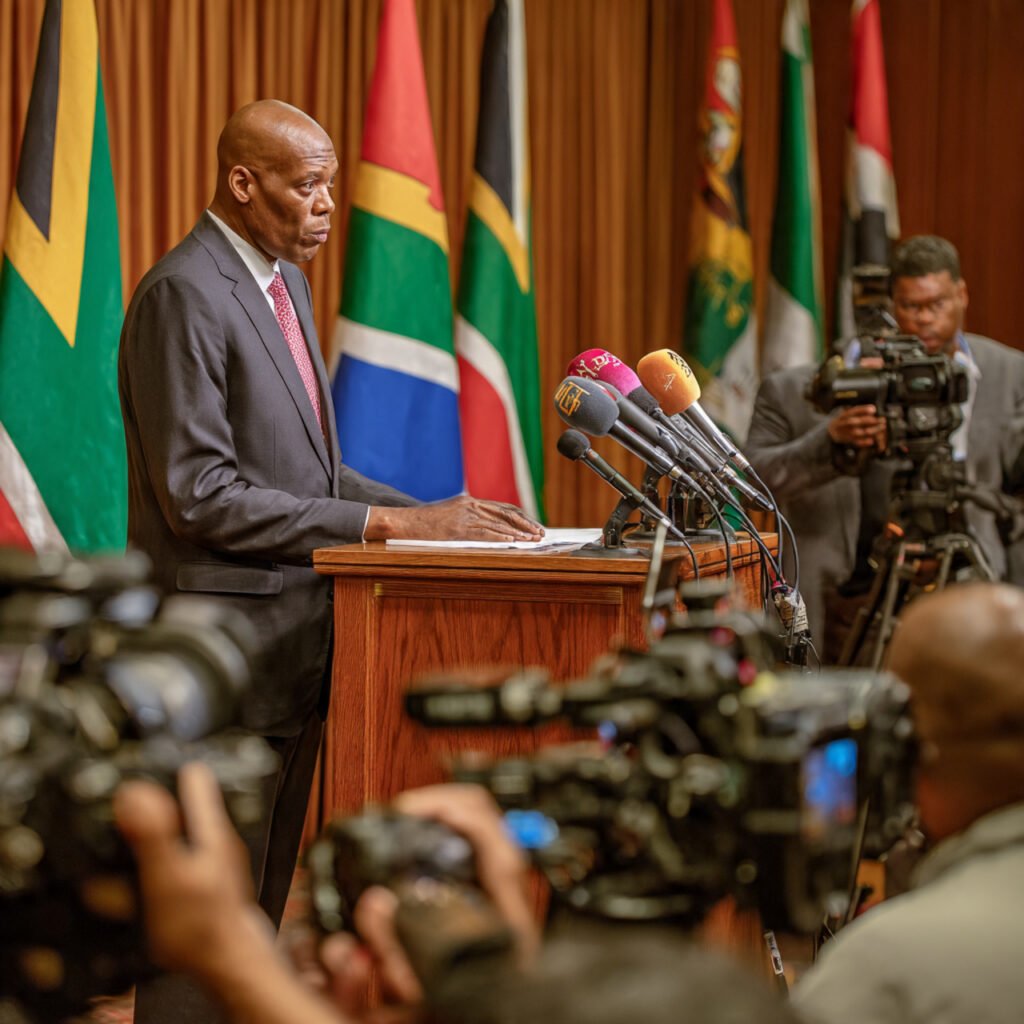
South Africa’s parliamentary system includes mechanisms for oversight and accountability.
Key processes:
These tools are designed to ensure transparency.
Allegations involving public officials often involve both legal and ethical dimensions.
Important factors:
Balancing these elements is essential.
The dispute occurs within a broader political environment marked by scrutiny of governance and leadership.
Key themes:
These factors influence how controversies unfold.
Several outcomes are possible as the situation develops.
Possible scenarios:
The final outcome will depend on evidence and process.

The situation offers broader lessons for political leaders.
Key takeaways:
These lessons apply across political systems.
The accusation by Lumka Oliphant that Sindiwe Tolashe is diverting attention from allegations has intensified political debate in South Africa. The situation underscores the importance of transparency, accountability, and effective communication in public office.
As developments continue, the response from political leaders, institutions, and the public will shape the broader impact of the controversy on governance and trust in leadership.