
US home insurance premium growth 2025
Friday, May 1, 2026 Trusted by millions worldwide Back to News Finance US Home Insurance Premium Growth Slows to 10...
Read More → Wednesday,Aprail 29, 2026
Trusted by millions worldwide
Libya oil economy crisis 2026 With Libya’s economy tied closely to crude exports, any disruption in production affects government revenue, public spending, and broader economic conditions. The situation highlights the fragile balance between political developments and energy production.
Libya oil economy crisis 2026 Libya’s oil economy is facing renewed uncertainty as political conflict continues to clash with production stability. The country relies heavily on oil exports for revenue, making disruptions to production a major concern for economic stability. Ongoing political divisions and competing authorities have created challenges for maintaining consistent oil output.
With Libya’s economy tied closely to crude exports, any disruption in production affects government revenue, public spending, and broader economic conditions. The situation highlights the fragile balance between political developments and energy production.
Libya is one of Africa’s major oil producers. The country depends heavily on crude exports to fund government operations and public services.
Key characteristics:
These factors make stability critical.
Political divisions between rival authorities have complicated oil operations. Disagreements over control of resources often lead to shutdowns or production reductions.
Major challenges include:
These issues directly affect output.
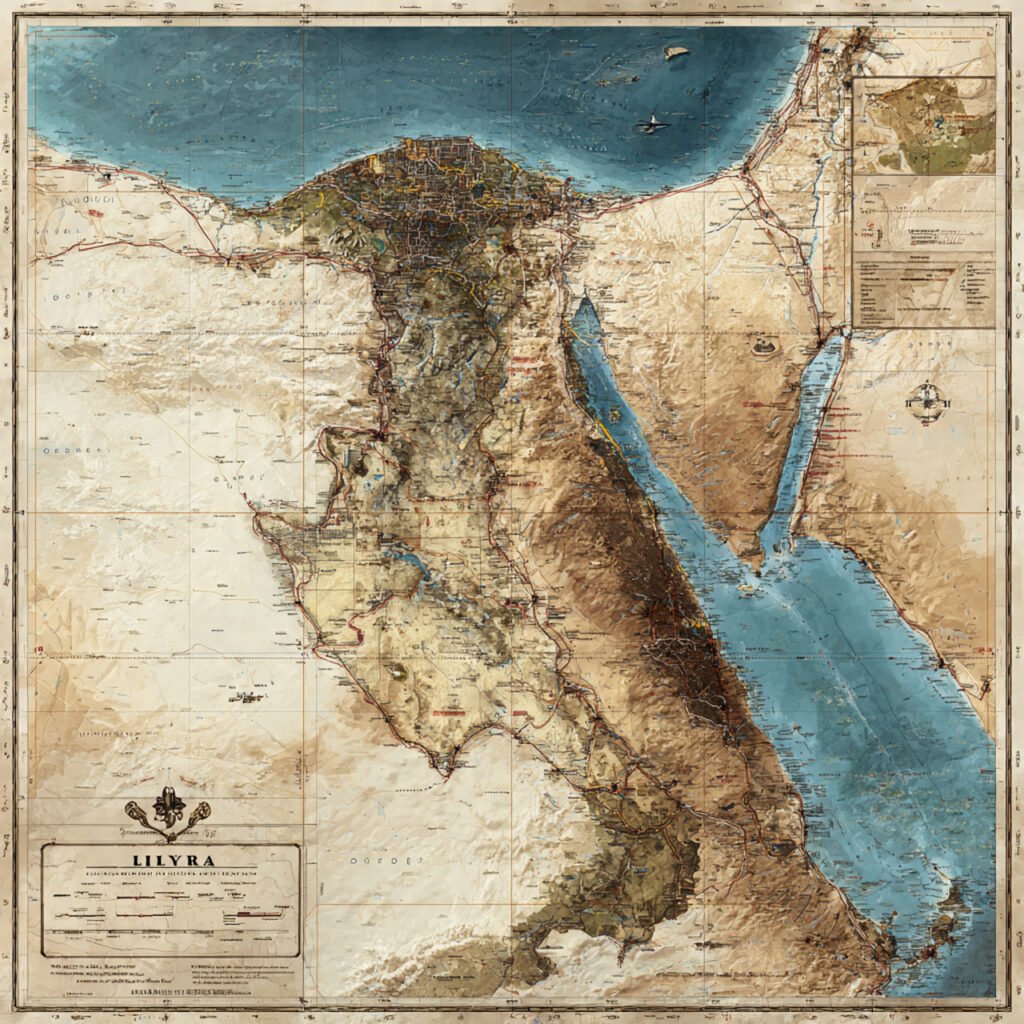
The National Oil Corporation (NOC) oversees Libya’s oil production and exports. The organization often attempts to maintain neutrality amid political disputes.
Responsibilities include:
The NOC plays a central role in stability.
Libya’s production levels frequently fluctuate due to political developments. Shutdowns can occur suddenly, impacting global supply.
Common causes:
These disruptions create uncertainty.
Libya’s oil exports rely on key coastal terminals. Control of these facilities often becomes a focal point during political disputes.
Key factors:
These assets are critical.
When oil production declines, Libya’s economy faces immediate consequences. Reduced exports lower government income.
Economic effects include:
These impacts are significant.
Libya’s production plays a role in global supply. Disruptions can influence price expectations.
Market impacts:
These affect markets.
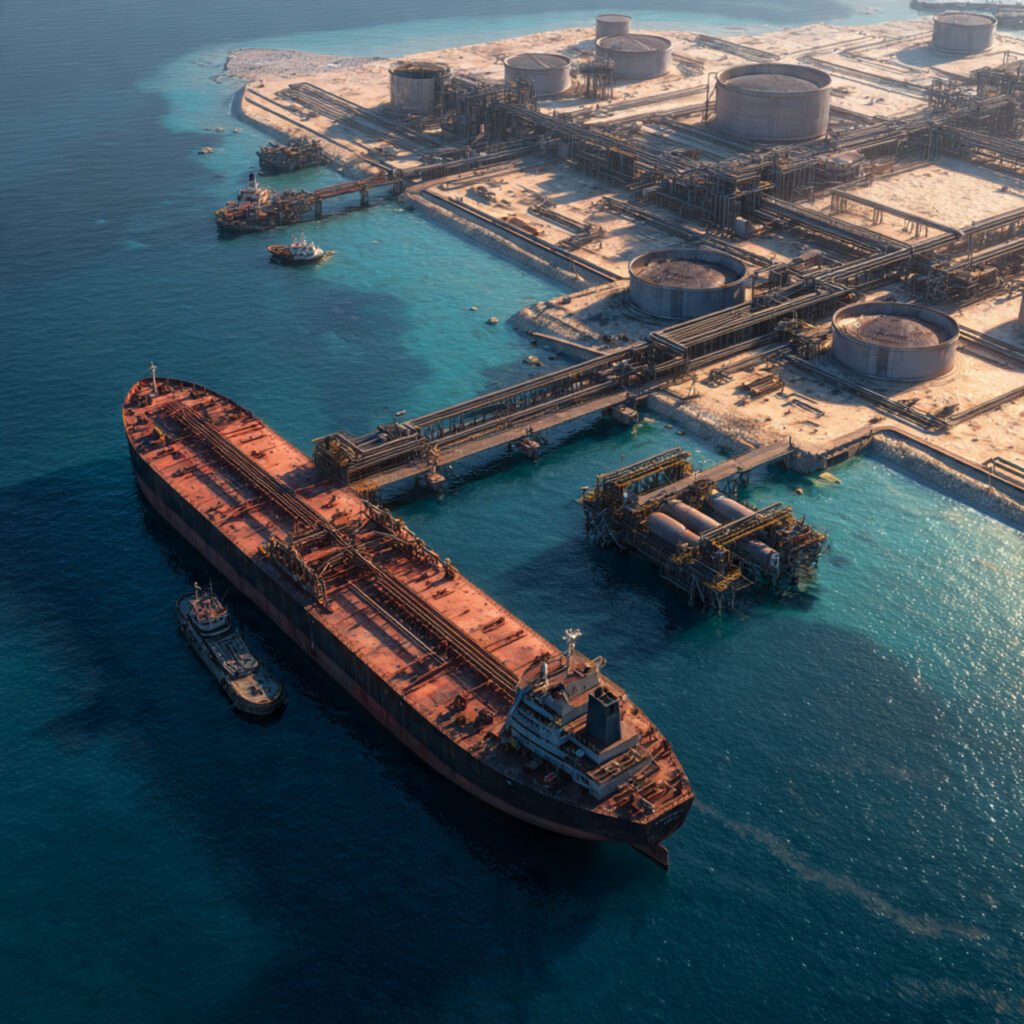
Many oil fields are located in remote regions requiring security coordination. Political tensions increase operational risk.
Security concerns:
These complicate operations.
Years of conflict have affected Libya’s oil infrastructure. Maintenance is essential to sustain production levels.
Challenges include:
These reduce efficiency.
Oil revenue sharing remains a major political issue. Disagreements over distribution can trigger production shutdowns.
Dispute areas:
These create tension.
Political instability discourages foreign investment in Libya’s oil sector. Investors seek predictable operational environments.
Investment concerns:
These limit development
Authorities often attempt to restore production quickly after disruptions. Recovery depends on political agreements.
Recovery steps:
These help stabilize output.
Reliance on oil makes Libya vulnerable to both political and market fluctuations. Diversification remains limited.
Long-term risks:
These affect sustainability.
Libya’s oil production contributes to Mediterranean energy supply. Stability benefits regional markets.
Regional importance:
These increase relevance.
Political dialogue often focuses on keeping oil flowing. Negotiations aim to prevent shutdowns.
Key goals:
These shape discussions.
The future of Libya’s oil economy depends on political stability. Continued conflict risks further production volatility.
Possible scenarios:
Outcomes remain uncertain.
Libya’s oil economy crisis reflects the ongoing tension between political conflict and production stability. With oil revenue forming the backbone of the economy, disruptions carry significant economic consequences. Maintaining production requires political coordination, infrastructure investment, and security improvements. Until stability improves, Libya’s oil sector will remain vulnerable to fluctuations that affect both domestic economic conditions and global energy markets.