
llinois American Water charitable foundation grants 2026
Friday,May 1, 2026 Trusted by millions worldwide Back to News Finance Illinois American Water Recognizes American Water Charitable Foundation 2026...
Read More → Wednesday aprail 29 2026
Trusted by millions worldwide
lessons in democracy from monarch Across various countries, monarchs play a unique role in supporting democratic institutions. They often emphasize neutrality, continuity, and respect for elected governments, which reinforces public trust in democratic processes.
lessons in democracy from monarch In modern political systems, monarchs often serve as symbolic leaders rather than direct decision-makers. Yet, their influence in shaping democratic values, national unity, and institutional stability remains significant. The idea of “lessons in democracy from one monarch to another” reflects how constitutional monarchies adapt to democratic norms while preserving tradition.
Across various countries, monarchs play a unique role in supporting democratic institutions. They often emphasize neutrality, continuity, and respect for elected governments, which reinforces public trust in democratic processes.
In constitutional monarchies, the monarch’s authority is typically limited by law. Governments are elected, and policy decisions are made by representatives of the people.
Key democratic roles of monarchs include:
These responsibilities reinforce stability.
Constitutional monarchies combine traditional leadership with democratic governance. The monarch operates within constitutional limits, ensuring that elected leaders govern.
Core principles:
These principles balance tradition and democracy.
One of the most important lessons monarchs offer is political neutrality. Remaining above party politics helps maintain public confidence.
Benefits of neutrality:
Neutral leadership supports democracy.

Modern monarchs emphasize that elected officials represent the will of the people. This reinforces democratic legitimacy.
Key practices:
These actions respect democracy.
Monarchs often provide continuity during political change. Elections, coalition negotiations, and leadership transitions can create uncertainty.
Stability contributions:
This stability is valuable.
Monarchs frequently highlight civic values such as participation, tolerance, and unity. These values are essential in democratic societies.
Common themes:
These strengthen democratic culture.
Because monarchs are not elected politicians, they may be viewed as impartial figures. This can strengthen trust in national institutions.
Trust factors:
These qualities reinforce legitimacy.
Monarchies that adapt to democratic systems often blend tradition with modern governance. This balance can help maintain cultural identity while supporting democratic values.
Balancing elements:
This approach evolves institutions.
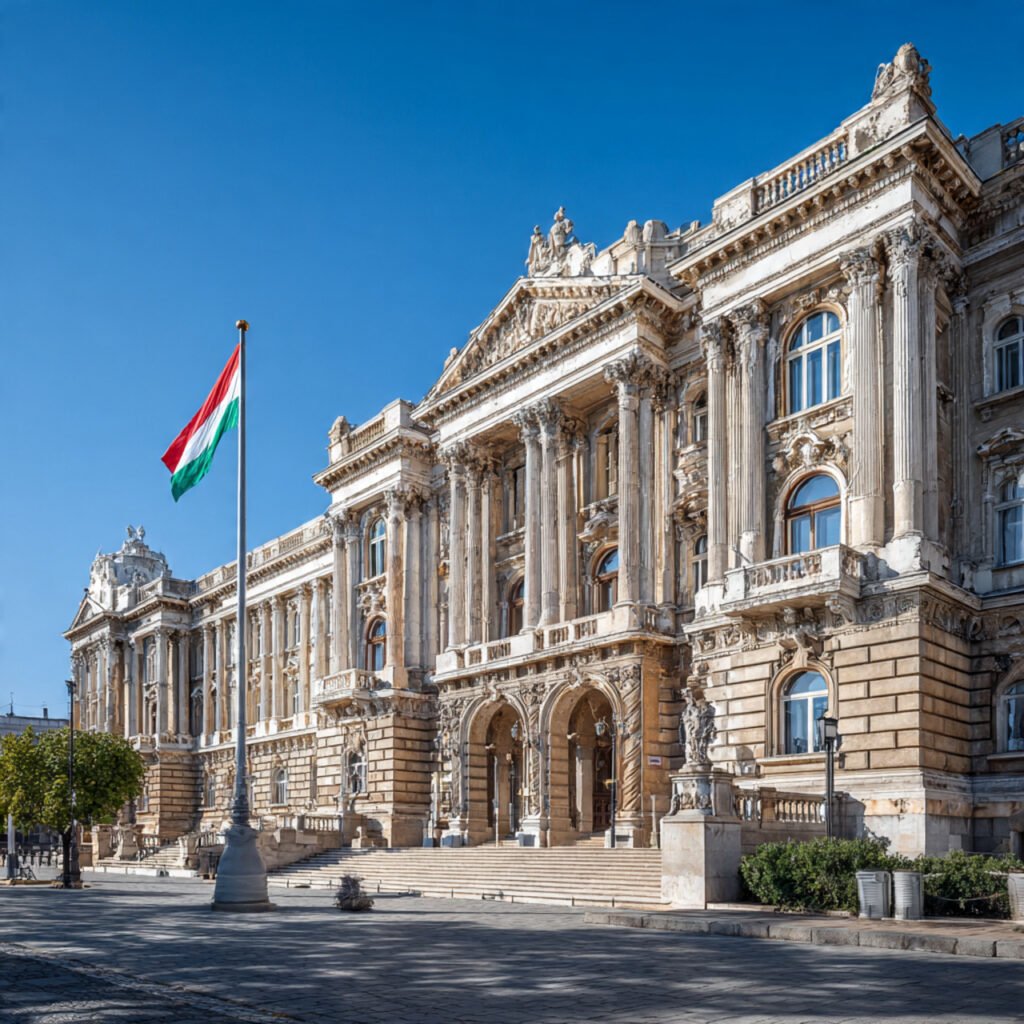
Modern monarchs often communicate democratic values through speeches and public events. These messages encourage participation and unity.
Communication goals:
These messages influence society.
Monarchs often represent their countries abroad. In this role, they may promote democratic ideals and cooperation.
Diplomatic contributions:
This extends influence.
Balancing monarchy and democracy is not without challenges. Expectations evolve, and monarchs must adapt.
Common challenges:
These require careful leadership.
The concept of lessons in democracy from one monarch to another highlights broader leadership principles.
Key lessons include:
These apply widely.

Monarchs often serve for decades, providing long-term perspective. This contrasts with short political cycles.
Advantages:
This benefits governance.
Citizens expect monarchs to support democratic principles while maintaining tradition. Transparency and engagement are increasingly important.
Public expectations:
These shape modern roles.
Constitutional monarchies continue evolving. Their survival often depends on aligning with democratic values.
Future priorities:
These ensure relevance.
The idea of lessons in democracy from one monarch to another reflects how modern monarchies contribute to democratic governance. Through neutrality, respect for elected institutions, and symbolic leadership, monarchs can strengthen democratic stability. While their role is largely ceremonial, their influence in promoting unity and continuity remains significant in contemporary political systems.