
playstation plus june 2026 games
Thursday, May 20, 2026 Trusted by millions worldwide Back to News Tech PlayStation Plus Subscribers Are About to Lose Another...
Read More → Sunday, Aprail 26, 2026
Trusted by millions worldwide
Iran War Economic Impact On April 26, 2026, UK Treasury official Darren Jones highlighted that price pressures could persist for eight to twelve months after the conflict ends. This warning reflects growing concerns about supply chain disruptions and energy shortages linked to instability in the Middle East.
For consumers, this means that the cost of living could remain high well into 2027.
The Iran War Economic Impact is emerging as one of the most significant global economic challenges of 2026, with rising food, fuel, and transportation costs putting continued pressure on households worldwide. Even as diplomatic efforts and ceasefire discussions gain momentum, economists caution that the financial consequences of the conflict are unlikely to disappear quickly. Instead, they are expected to linger well beyond the end of active hostilities due to deep disruptions in global trade routes and energy markets.
On April 26, 2026, UK Treasury official Darren Jones warned that inflationary pressures could persist for 8 to 12 months after the conflict ends, highlighting the long-term nature of the crisis. His remarks reflect growing concerns about instability in the Middle East, particularly around critical energy supply corridors such as oil shipping routes, which play a vital role in global pricing.
For consumers and businesses alike, this means the cost of living may remain elevated well into 2027, with continued volatility in fuel prices, food imports, and supply chain-dependent goods.
On April 26, 2026, UK Treasury official Darren Jones highlighted that price pressures could persist for eight to twelve months after the conflict ends. This warning reflects growing concerns about supply chain disruptions and energy shortages linked to instability in the Middle East.
For consumers, this means that the cost of living could remain high well into 2027.
One of the biggest drivers of ongoing inflation is the slow recovery of global supply chains. Governments and companies must rebuild damaged infrastructure, including oil facilities, shipping routes, and logistics networks and this process takes time.
Even if the conflict ends soon, operations won’t restart immediately. As a result, supply will stay limited in the short term. Consequently, this gap between supply and demand continues to push prices higher across global markets.
At the center of the crisis is the Strait of Hormuz, a critical global energy route through which nearly 20% of the world’s oil supply flows.
During the conflict, the situation escalated quickly:
As a result, global oil distribution slowed down. Even now, as routes begin to stabilize, clearing shipment backlogs and restoring normal trade flows will take time. Therefore, fuel prices remain under pressure worldwide.

Global energy markets continue to face high volatility in 2026. Oil prices surged sharply during the conflict as uncertainty disrupted supply chains and triggered market reactions.
Experts now highlight several ongoing risks:
Overall, these factors suggest that fuel prices will not drop quickly and may remain unstable in the coming months.
Rising fuel prices are no longer limited to petrol stations—they now impact the entire economy. Businesses across multiple sectors are already adjusting to higher energy costs.
Specifically, the increase in fuel prices has pushed up expenses in:
As a result, companies pass these costs on to consumers. Consequently, households now face higher daily expenses, from commuting to essential goods.
At the same time, the conflict has disrupted global fertilizer exports, which play a critical role in agriculture. Many of these supplies move through Gulf shipping routes, making them highly vulnerable during regional instability.
Due to these disruptions, fertilizer availability has declined. As a result:
Meanwhile, food inflation continues to accelerate in 2026. Analysts now expect staple items such as wheat, corn, and cooking oil to become even more expensive in the coming months.
This trend is already visible globally. As a result, households are actively adjusting their budgets to manage rising grocery bills and overall living costs.
The Iran War Economic Impact is global, not regional. Europe is facing energy pressure, Asia is dealing with supply chain disruptions, and developing countries are seeing sharper price increases. This clearly shows how interconnected the global economy has become.
Rising fuel and food prices are increasing the cost of living worldwide. As a result, households are losing disposable income and facing financial strain. Meanwhile, governments are closely monitoring the situation and may introduce support measures if inflation continues.
Darren Jones has warned that price pressures will likely continue even after the conflict ends. According to his outlook:
Overall, experts agree that economic recovery will take time, and prices may stay elevated in the near future.
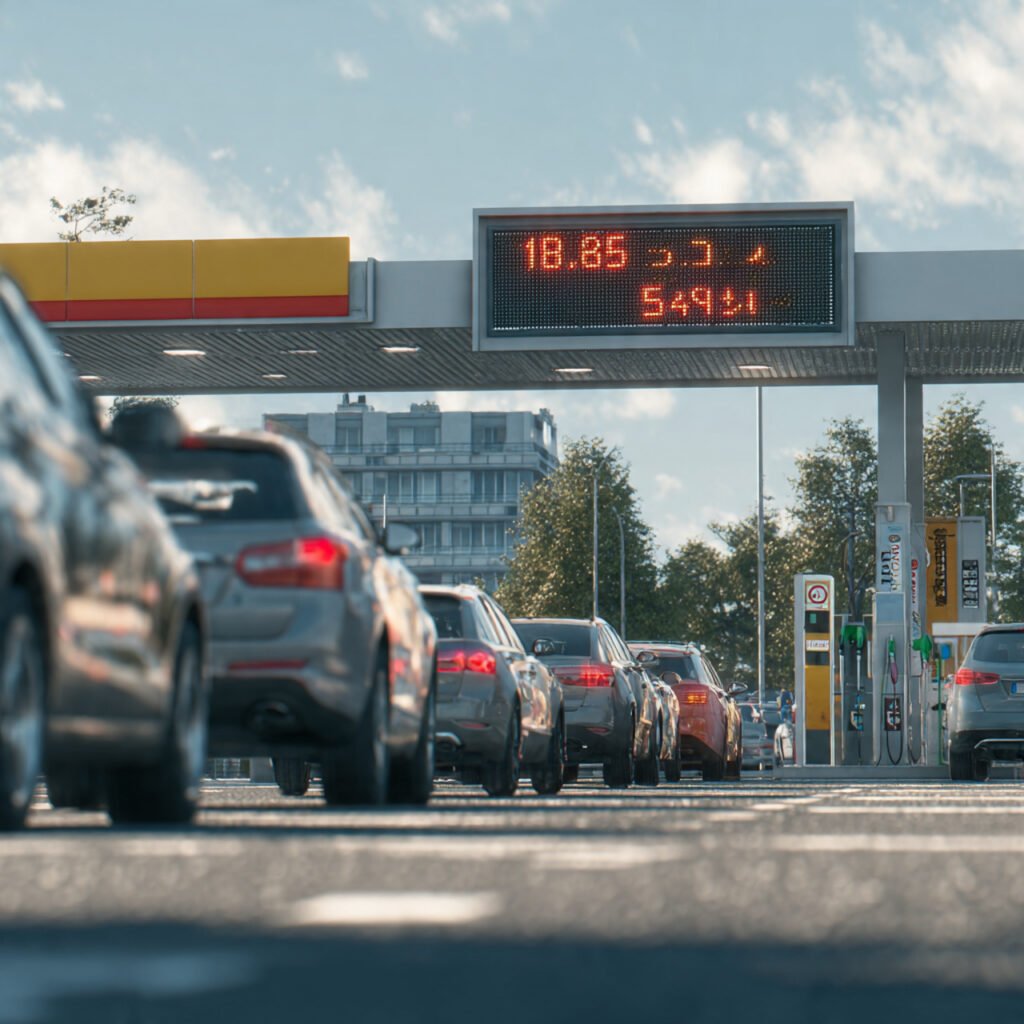
Financial analysts expect inflation to remain elevated throughout 2026, with only gradual signs of stabilization in the coming months. While prices may stop rising at the same pace, a full economic recovery will likely take longer due to ongoing global uncertainties.
Several key factors will shape how quickly inflation eases, including the speed of infrastructure repair, the stability of oil production, and overall global demand levels. If these areas improve steadily, price pressures may begin to decline. However, any further disruptions could delay recovery and keep inflation higher for longer.
The crisis has significantly increased the global focus on energy security and diversification. Many countries are now actively working to reduce dependence on vulnerable supply routes and unstable regions.
As a result, governments are accelerating renewable energy investments, expanding strategic oil reserves, and strengthening regional energy partnerships. These efforts aim to build a more stable and resilient energy system in the long term.
Overall, this shift could reshape global energy strategies, helping economies better manage future shocks while reducing reliance on traditional supply chains.
Ongoing supply chain disruptions are forcing businesses to rethink their logistics strategies. Many companies are now diversifying suppliers and shifting production closer to key markets to reduce risk.
As a result, global trade patterns are gradually changing, with a stronger focus on resilience, flexibility, and regional supply networks. This shift could reshape how goods are produced and distributed in the coming years.
In the short term, consumers are already adapting to rising prices and economic pressure. Many households are taking practical steps such as:
These adjustments help offset the impact of higher daily expenses.
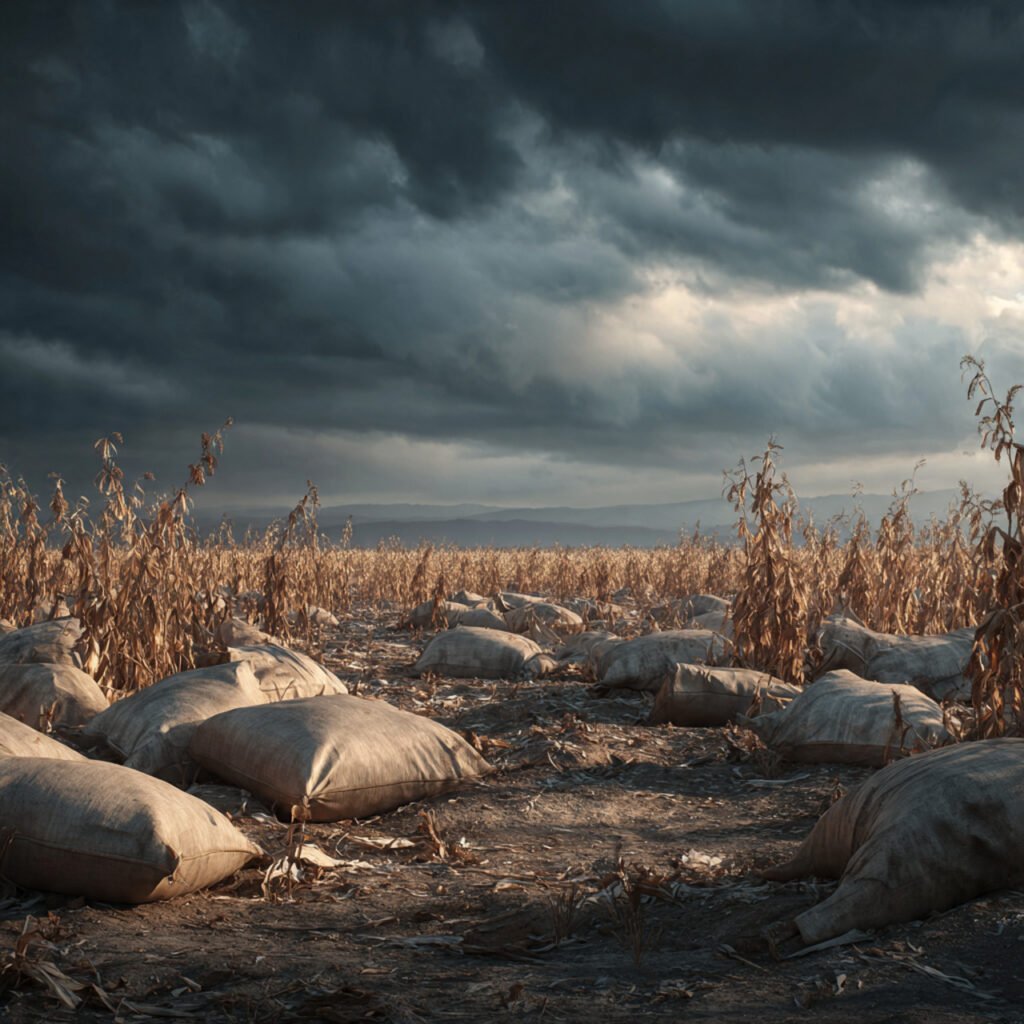
Looking ahead, prices are expected to stabilize over time, but the timeline remains uncertain. Much will depend on geopolitical developments, supply chain recovery, and overall economic conditions.
For now, consumers and businesses remain focused on managing ongoing inflation and adapting to a changing economic environment.
The Iran War Economic Impact is increasingly being described as a systemic inflationary shock, with governments closely monitoring the situation through ongoing economic assessments and contingency planning.
Darren Jones highlighted that sustained price pressure poses a greater risk than product shortages. Instead of empty shelves, consumers are more likely to face rising costs across essential areas such as energy bills, groceries, and travel expenses. As a result, the overall cost of living continues to increase.
Although some countries maintain stable reserves, the broader inflation trend is driven by global market conditions. Recent oil price increases have already contributed to higher inflation levels in 2026, reflecting how energy markets directly influence worldwide pricing.
Experts expect a delayed recovery period, often referred to as the “long tail” effect. Even after the conflict stabilizes, energy supply systems and trade flows will need time to fully recover.
As a result, price pressures may continue for several months, until supply chains normalize and market conditions stabilize.
The Iran War Economic Impact clearly shows how geopolitical conflicts can reshape global markets and influence everyday life. Even after the conflict ends, the economic effects continue to spread across industries and regions.
From rising fuel costs to increasing food prices, the impact remains widespread and persistent. As of April 2026, experts agree that recovery will take time, with inflation and supply chain challenges likely to continue in the near term.
Ultimately, understanding these trends is essential for governments, businesses, and consumers as they adapt to an uncertain and evolving economic environment.