
playstation plus june 2026 games
Thursday, May 20, 2026 Trusted by millions worldwide Back to News Tech PlayStation Plus Subscribers Are About to Lose Another...
Read More → Thursday, Aprail 9, 2026
Trusted by millions worldwide
Polotics
Despite mounting pressure, Viktor Orbán remains a formidable political operator. His “System of National Cooperation” a network of loyalists spanning media, business, and civil institutions gives Fidesz structural advantages that polling alone does not capture.
Hungary’s 2026 general election is shaping up to be the most consequential vote in the country’s post-communist history. For the first time in 16 years, Viktor Orbán and his ruling Fidesz party are facing a credible, unified opposition and the outcome could reshape not only Hungarian politics but the broader direction of the European Union.
In previous election cycles, Hungary’s opposition was fragmented across multiple parties with competing ideologies, making it easy for Fidesz to maintain its dominance. That has changed significantly heading into 2026.
A coalition of centre-left, liberal, and conservative opposition parties has formed a joint platform under the banner of restoring judicial independence and securing the release of frozen European Union funds. Political analysts in Budapest describe this as the most organized opposition effort since Orbán returned to power in 2010.
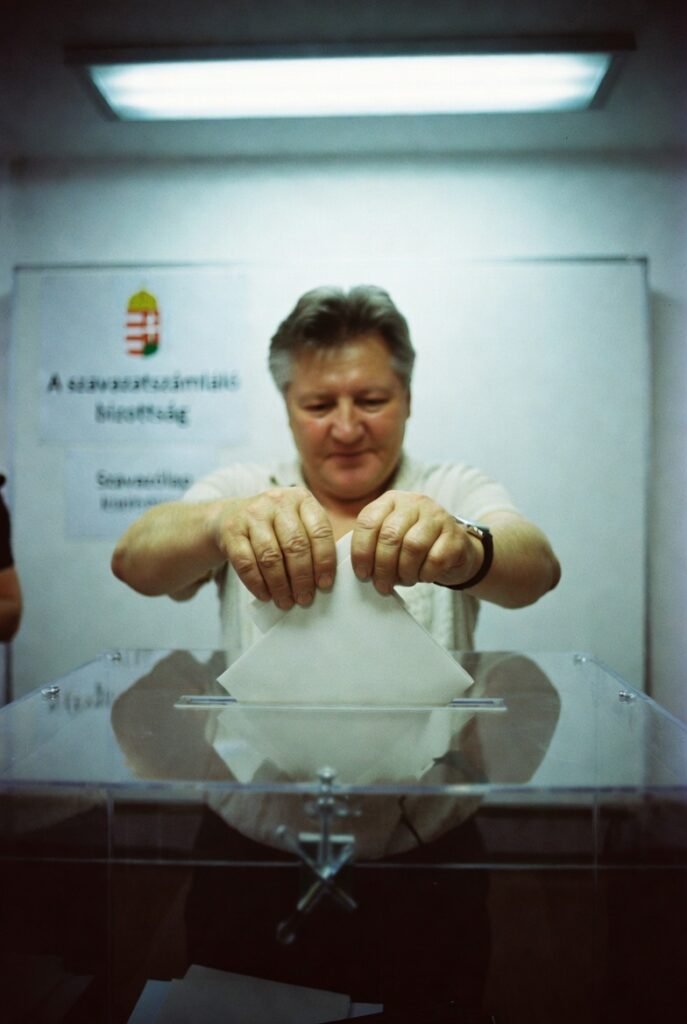
Despite mounting pressure, Viktor Orbán remains a formidable political operator. His “System of National Cooperation” a network of loyalists spanning media, business, and civil institutions gives Fidesz structural advantages that polling alone does not capture.
However, multiple recent polls suggest Fidesz’s support has narrowed significantly. A February 2026 survey by Závecz Research placed Fidesz at 42% among decided voters, compared to 46% in the same poll a year earlier. The opposition coalition stood at approximately 38–40%, marking the closest gap in years.
If Fidesz loses its parliamentary supermajority which requires two-thirds of seats Orbán would face constraints on constitutional changes for the first time since 2010. Losing an outright majority would be an even more dramatic outcome, potentially forcing coalition negotiations in a system he has specifically designed to avoid them.
International observers, including the OSCE election monitoring mission, have flagged persistent concerns about unequal media access. State-aligned television channels dominate broadcasting in rural Hungary, while independent outlets face regulatory and financial pressure. The opposition has called for emergency media reforms as part of their platform.
The geopolitical stakes of the Hungary election 2026 extend far beyond Budapest. Within the European Union, Hungary has repeatedly used its veto power to block or delay decisions on military aid to Ukraine, sanctions expansions, and energy transition policies.
A change in government could remove the most consistent dissenting voice in the EU Council. Senior EU officials, speaking on background to European media, have indicated that Brussels is preparing for a potential shift in Hungary’s position though they have been careful to avoid any statement that could be seen as interfering in a member state election.
Hungary’s political evolution could also reshape the Visegrád Group (V4), the loose alliance of Hungary, Poland, Slovakia, and the Czech Republic. Poland’s government, led by Prime Minister Donald Tusk since late 2023, has already moved significantly toward EU mainstream positions. If Hungary follows, the V4’s role as a counterweight to Western European influence within the bloc would be substantially weakened.
Hungary’s parliamentary elections are expected to be held in spring 2026, with the exact date to be announced by President Katalin Novák. The campaign period officially begins upon that announcement.
Observers should watch for three key indicators in the coming weeks: whether additional smaller parties join the opposition coalition, how Fidesz responds to EU legal proceedings regarding frozen funds, and the outcome of local by-elections that will serve as an early test of voter mood.
If Fidesz loses its parliamentary supermajority which requires two-thirds of seats Orbán would face constraints on constitutional changes for the first time since 2010. Losing an outright majority would be an even more dramatic outcome, potentially forcing coalition negotiations in a system he has specifically designed to avoid them.
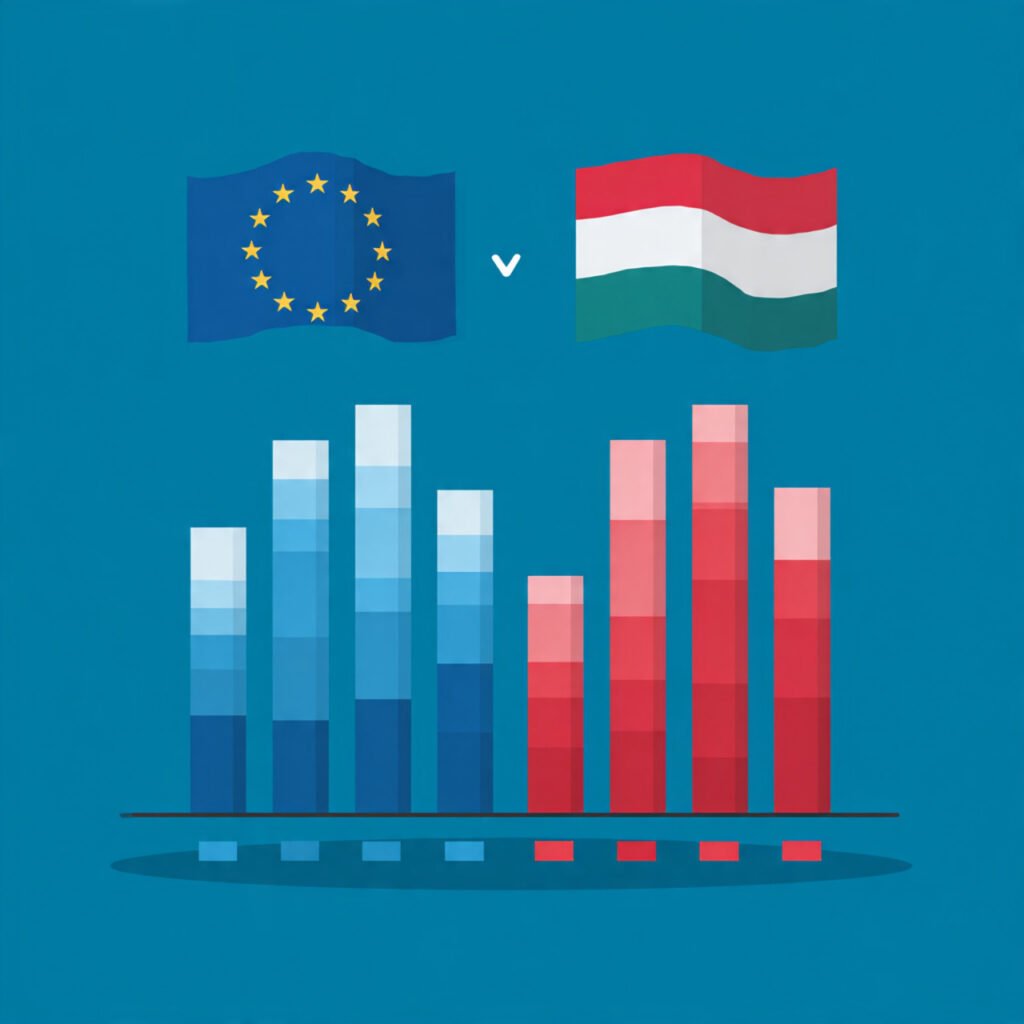
Hungary’s 2026 election represents the most serious challenge to Orbán’s political dominance in over a decade. Economic frustration, a unified opposition, and sustained EU institutional pressure have created conditions that could genuinely change the country’s direction.
But Orbán has defied expectations before. His political machinery, control over state media, and a loyal base in rural Hungary mean the outcome remains genuinely uncertain. What is clear is that this election will be closely watched not just in Budapest, but across the continent.
For ongoing updates on the Hungary election 2026, EU-Hungary relations, and Central European political developments, follow our Europe section.