
playstation plus june 2026 games
Thursday, May 20, 2026 Trusted by millions worldwide Back to News Tech PlayStation Plus Subscribers Are About to Lose Another...
Read More → Tuesday,Aprail 28, 2026
Trusted by millions worldwide
China economy hit 2026 Manufacturing has long been a major driver of China’s economic expansion. However, disruptions linked to international tensions and shifting trade patterns are now weighing on factory production. The result is a more cautious outlook for industrial growth in the months ahead.
China economy hit 2026 China’s economy is facing renewed pressure in 2026 as global conflict and geopolitical tensions begin to slow manufacturing activity. Export demand, supply chain stability, and industrial output have all been affected, raising concerns about growth momentum. Analysts say the slowdown reflects a combination of external uncertainty and reduced global trade confidence.
Manufacturing has long been a major driver of China’s economic expansion. However, disruptions linked to international tensions and shifting trade patterns are now weighing on factory production. The result is a more cautious outlook for industrial growth in the months ahead.
Recent indicators suggest that manufacturing activity has softened. Factories in key industrial regions have reported slower order flows, reduced export demand, and longer inventory cycles.
Signs of slowdown include:
These signals point to cooling momentum in industrial sectors.
Global tensions often disrupt trade routes, investment decisions, and business confidence. When uncertainty rises, companies tend to delay orders and reduce production.
Effects on China’s manufacturing include:
These factors combine to slow factory activity.
China relies heavily on exports for industrial growth. When global markets slow, factories often reduce production to avoid oversupply.
Export-related challenges:
Manufacturers adjust output accordingly.

Supply chains remain sensitive to geopolitical developments. Delays in raw materials or components can affect production timelines.
Common disruptions include:
These disruptions reduce efficiency.
China’s major manufacturing hubs are particularly affected. Regions dependent on export-driven industries often see immediate changes in activity.
Affected sectors include:
These industries rely heavily on global demand.
When uncertainty rises, businesses often delay investment and expansion. This can reduce hiring and production growth.
Business reactions:
Confidence plays a key role in manufacturing output.
While exports slow, domestic demand can provide some support. However, internal consumption may not fully offset global weakness.
Domestic factors include:
These factors may cushion the slowdown.
Authorities closely track manufacturing indicators to assess economic health. Policymakers may consider measures to stabilize growth.
Possible responses:
Such steps aim to maintain stability.
China’s manufacturing slowdown can influence global markets. Many industries depend on Chinese production.
Global effects:
These impacts extend beyond China.
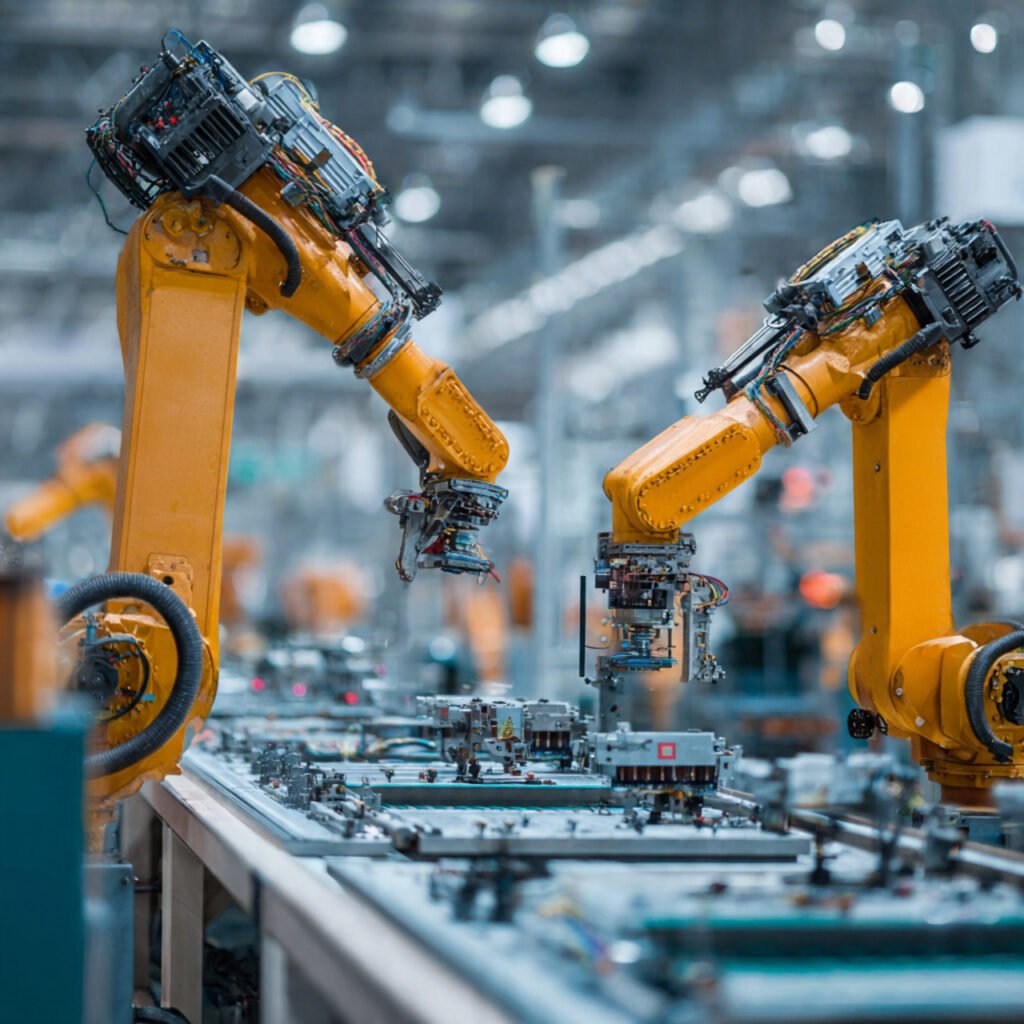
Manufacturing supports millions of jobs. Slower production can affect hiring and working hours.
Possible employment impacts:
However, widespread job losses are not necessarily expected.
Despite slower manufacturing, some high-tech sectors remain resilient. Advanced manufacturing and technology investment continue.
Resilient areas include:
These sectors may offset weakness.
Investors monitor manufacturing trends closely. Slower output may influence investment decisions.
Investor focus areas:
These factors shape expectations.
Manufacturing slowdown can affect pricing. Lower demand may ease cost pressures, while supply disruptions may raise them.
Cost considerations:
These variables influence margins.

The near-term outlook depends on global stability and trade conditions. If tensions ease, manufacturing could recover.
Key factors to watch:
These will determine direction.
China continues focusing on economic diversification. Reducing reliance on export-driven manufacturing is part of long-term planning.
Strategic priorities:
These changes aim to improve resilience.
The China economy hit in 2026 reflects the growing impact of global conflict on manufacturing and trade. Slower export demand, supply chain disruptions, and cautious business sentiment are contributing to reduced industrial momentum. While domestic demand and policy support may help cushion the impact, manufacturing growth remains sensitive to global conditions. As geopolitical tensions evolve, China’s economic trajectory will depend on trade recovery and continued structural adjustments.