
playstation plus june 2026 games
Thursday, May 20, 2026 Trusted by millions worldwide Back to News Tech PlayStation Plus Subscribers Are About to Lose Another...
Read More → Wednesday, Aprail 29, 2026
Trusted by millions worldwide
Technology firms are increasingly seeking domestic chip alternatives to power AI models, enterprise platforms, and cloud services. Huawei’s AI processors have gained attention as companies accelerate development of artificial intelligence capabilities
China’s technology sector is experiencing a surge in demand for artificial intelligence chips as companies compete to secure supply from Huawei. The rush reflects growing investment in AI infrastructure, cloud computing, and data center expansion across the country.
Technology firms are increasingly seeking domestic chip alternatives to power AI models, enterprise platforms, and cloud services. Huawei’s AI processors have gained attention as companies accelerate development of artificial intelligence capabilities.
AI chip demand has grown rapidly as businesses deploy machine learning and automation tools. High-performance processors are required for training and running AI systems.
Key demand drivers:
These factors are fueling demand.
Huawei has emerged as a significant supplier of AI chips in China. Its processors are designed for data centers, cloud computing, and AI workloads.
Huawei chip advantages:
These attract technology firms.
Major technology companies are reportedly racing to secure Huawei AI chips. Competition has increased as supply remains limited.
Competition factors:
These intensify the race

China has emphasized domestic technology development, including AI chips. Local production reduces reliance on foreign hardware.
Domestic strategy includes:
These support independence.
AI workloads require powerful data centers. Companies are expanding infrastructure to support AI services.
Infrastructure trends:
These increase chip demand.
Multiple industries are adopting AI tools. This broad adoption increases need for specialized processors.
Key sectors:
These drive growth.
Limited chip supply has intensified competition. Companies seek long-term agreements and partnerships.
Supply challenges:
These create pressure.
Cloud platforms require AI chips for model training and inference. Providers are scaling infrastructure.
Cloud expansion includes:
These increase hardware needs.

China continues supporting AI innovation. Policy initiatives encourage hardware and software growth.
Support measures:
These boost market growth.
The AI chip race reflects broader semiconductor competition. Companies aim to secure performance advantages.
Competitive factors:
These shape market dynamics.
Businesses are integrating AI into operations. This drives demand for computing power.
Enterprise use cases:
These require hardware.
The surge in AI chip demand is reshaping China’s technology sector. Companies are investing heavily.
Market effects:
These influence industry.
Demand is expected to remain strong. Companies continue expanding AI capabilities.
Future trends:
These define outlook.
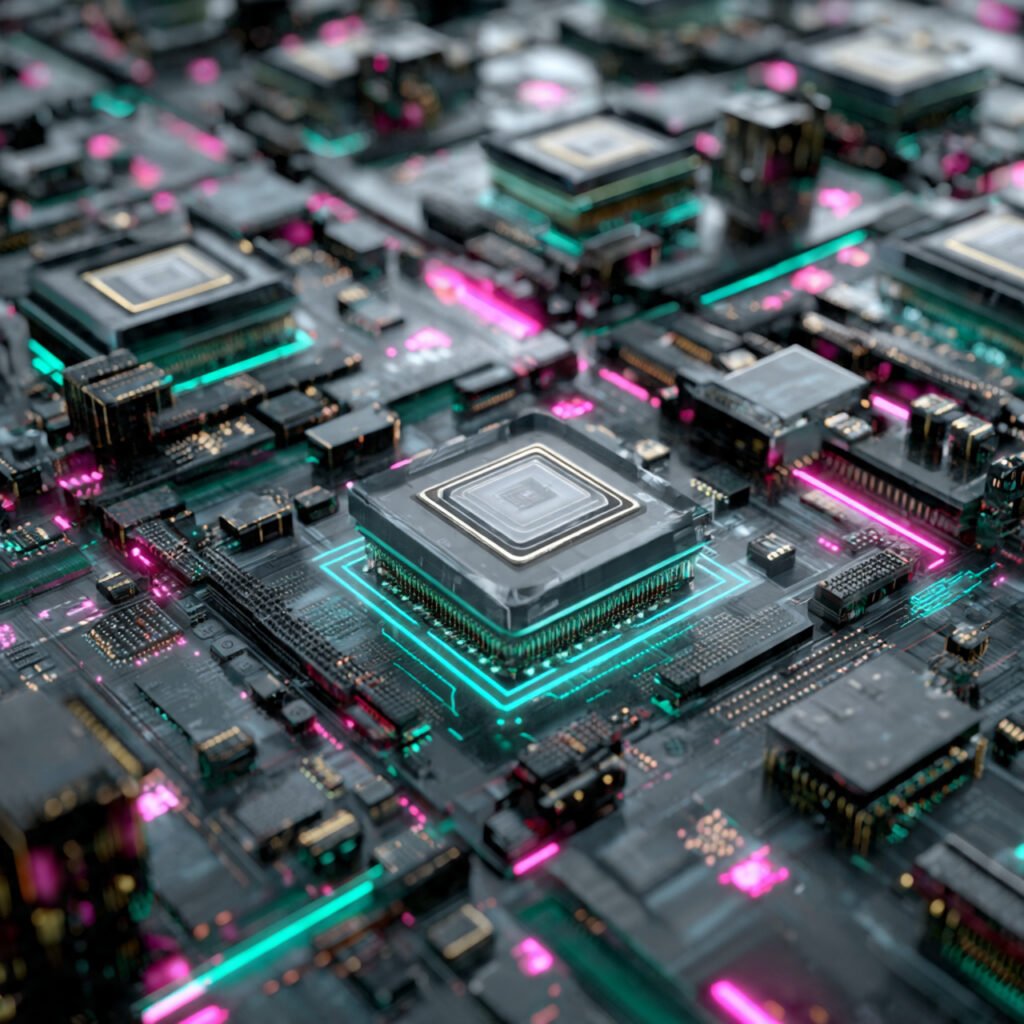
China’s AI chip rush reflects global competition in artificial intelligence. Countries and companies are investing heavily.
Global factors:
These shape industry.
China’s AI chip rush in 2026 highlights growing demand for Huawei processors as technology companies compete to build AI infrastructure. With data centers expanding and enterprise adoption increasing, competition for supply is intensifying. The trend reflects broader investment in domestic semiconductor development and the continued growth of artificial intelligence across industries.