
playstation plus june 2026 games
Thursday, May 20, 2026 Trusted by millions worldwide Back to News Tech PlayStation Plus Subscribers Are About to Lose Another...
Read More → Tuesday, May 5, 2026
Trusted by millions worldwide
By Mavia Fazal
in today’s political landscape, discussions about whether Reform UK can turn its temporary momentum into lasting electoral success are gaining traction. Analysts point out that although the party has increased its visibility and captured attention, it still faces significant structural political hurdles and established voter behavior that will influence its chances moving forward. The larger question of whether Reform UK can break through the third-party barrier in Britain isn’t just about one party; it’s also about whether the UK’s political system is becoming more receptive to multi-party competition.
The question of whether Reform UK can break through as a third party in Britain is becoming more relevant as we navigate the evolving landscape of British politics in 2026. With voters feeling increasingly dissatisfied, party loyalties shifting, and discussions heating up about the future of the UK’s political system, this topic is front and center. Reform UK is trying to carve out its space as a challenger in the political arena, aiming to tap into the frustration many voters feel towards traditional parties and the deep-rooted divisions that have long existed. However, making a lasting impact as a third party in British politics has proven to be quite a challenge, largely due to the first-past-the-post electoral system that the country employs. In today’s political climate, the conversation around whether Reform UK can turn its current momentum into sustained electoral success is gaining traction. Analysts point out that while the party is gaining more visibility and attention, it still faces significant structural barriers and entrenched voter behaviors that could limit its chances. Ultimately, the question of whether Reform UK can break through as a third party isn’t just about the party itself; it’s also about whether the UK’s political system is becoming more receptive to multi-party competition.
One of the most significant challenges facing any third-party movement in the UK is the electoral system itself.
The first-past-the-post voting system tends to favor larger, established parties, making it difficult for smaller parties to convert national vote share into parliamentary seats.
Historically, British politics has been dominated by two major parties:
This structure creates strong barriers for emerging political movements, even when they achieve meaningful levels of public support.
The Can Reform UK break through third party Britain debate therefore begins with understanding that electoral success in the UK is not solely determined by national popularity but by concentrated regional support capable of winning individual constituencies.
Reform UK has attempted to build its political identity around issues such as immigration, government spending, taxation, and political accountability.
The party aims to attract voters who feel disconnected from mainstream political choices and who are dissatisfied with traditional party positions.
In recent years, political polarization and voter frustration have created opportunities for alternative parties to gain visibility, especially during periods of economic uncertainty or political transition.
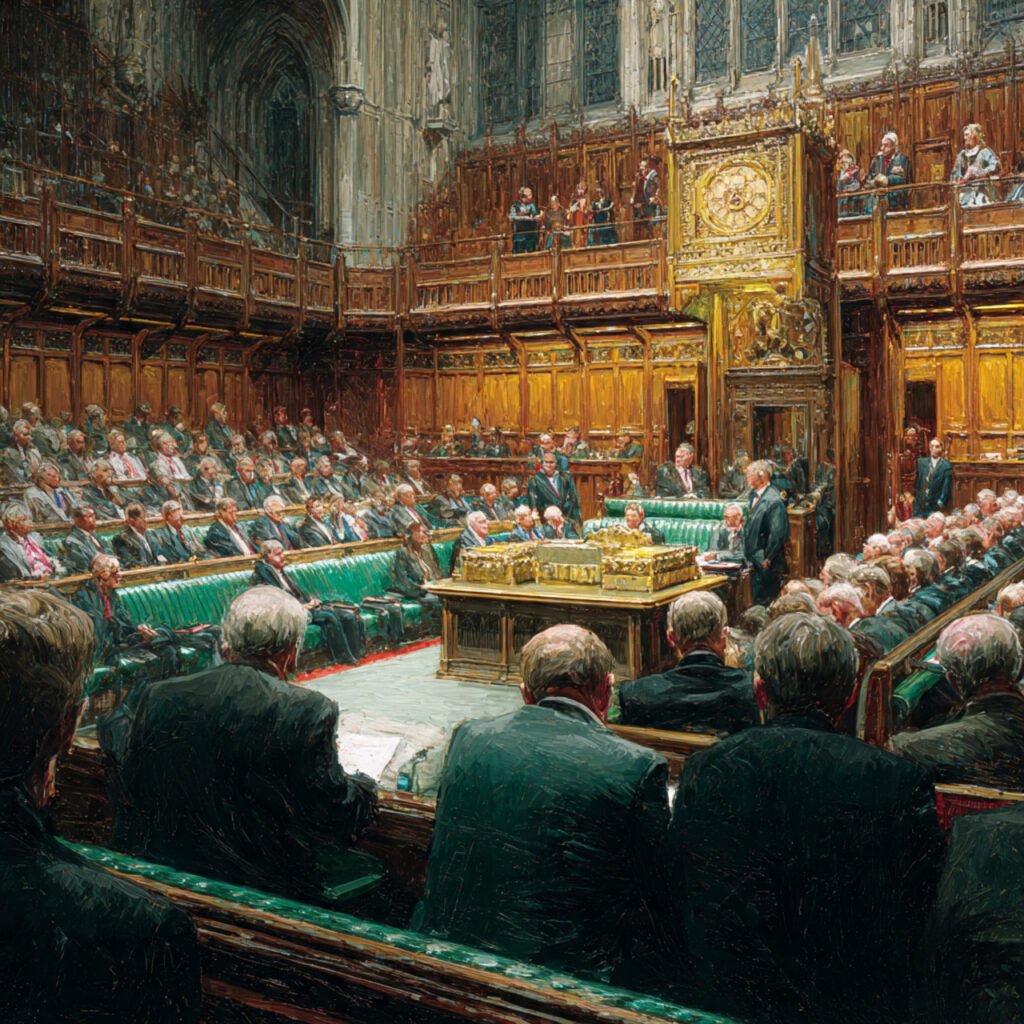
British politics has been experiencing gradual voter realignment, with traditional party loyalties becoming less stable than in previous decades.
This fluid political environment creates opportunities for smaller parties to gain attention, particularly when public dissatisfaction with mainstream parties increases.
However, historical patterns suggest that many third-party gains in the UK tend to be temporary unless supported by strong local infrastructure and sustained political organization.
The Can Reform UK break through third party Britain analysis therefore depends on whether current voter shifts represent long-term change or short-term political reaction.
Media exposure and political communication strategies are critical factors in modern electoral politics.
Reform UK has benefited from increased media attention, particularly during periods of national debate on immigration, economic policy, and government performance.
However, sustained political success requires more than visibility—it requires consistent messaging, organizational strength, and strong ground-level campaigning.
In the UK’s competitive political environment, parties must also build trust at both national and local levels to translate public awareness into electoral votes.
The Can Reform UK break through third party Britain discussion therefore includes not only voter sentiment but also communication effectiveness and organizational capacity.
Structural factors such as constituency boundaries, voting systems, and media concentration have reinforced two-party dominance over time.
This historical context is essential when evaluating whether Reform UK can fundamentally alter the UK political system or operate primarily as a pressure group within it.

While national breakthroughs are difficult, regional and local elections often provide smaller parties with opportunities to build influence.
In some areas, voters are more open to alternative political options based on local issues rather than national party loyalty.
If Reform UK can establish strong regional support bases, it may gradually build a platform for broader national relevance.
Political analysts often point out that third parties in the UK typically grow from local success upward rather than achieving immediate national dominance.
This makes local electoral performance a key indicator in evaluating whether Can Reform UK break through third party Britain is a realistic long-term outcome.
The Conservative and Labour parties are still the heavyweights in UK politics, thanks to their solid voter bases, strong institutions, and wide-reaching national networks. Both parties are tweaking their strategies to address voter concerns, which makes it tougher for smaller parties to gain traction. When the major parties take notice of the issues raised by smaller political movements, it becomes increasingly challenging for those movements to keep their unique political identity. This competitive landscape poses one of the biggest structural hurdles for Reform UK and similar parties.
However, sustained success requires more than dissatisfaction—it requires clear policy credibility and governance capability.
The Can Reform UK break through third party Britain question is therefore closely tied to whether voters see the party as a credible governing alternative or primarily as a protest vote option.
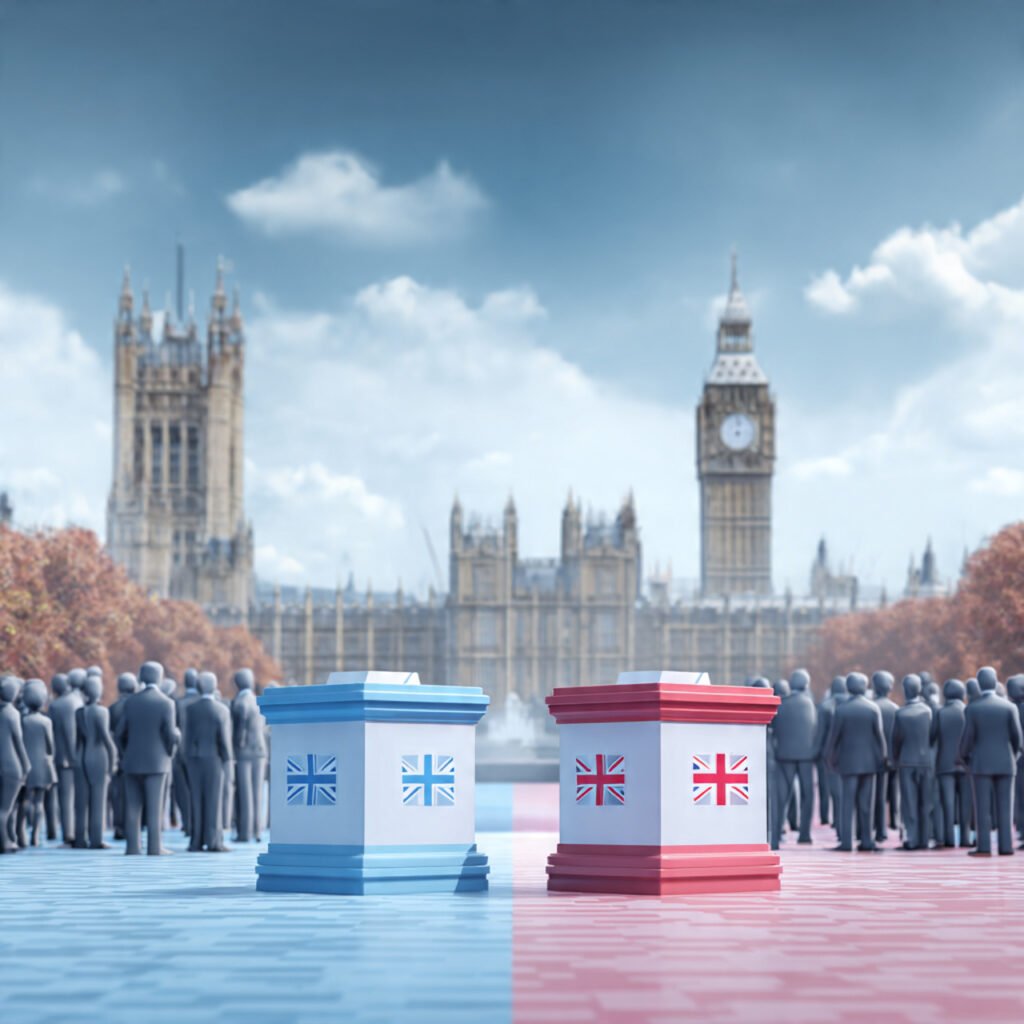
British political history shows that third-party breakthroughs are rare and often limited in duration.
Even when smaller parties achieve strong election results, maintaining long-term parliamentary influence has historically been difficult.
Structural factors such as constituency boundaries, voting systems, and media concentration have reinforced two-party dominance over time.
This historical context is essential when evaluating whether Reform UK can fundamentally alter the UK political system or operate primarily as a pressure group within it.
The question of whether Reform UK can make a mark as a third party in Britain highlights some deeper issues within the UK political landscape, especially as voter attitudes shift and competition heats up. While the party has managed to grab attention and resonate with voter frustrations, there are still some major hurdles in the electoral system and the wider political scene. For Reform UK to achieve long-term success, it will likely need to build strong regional support, develop its organization, and effectively turn public sentiment into reliable parliamentary representation. As British politics continues to change in 2026, the future of Reform UK hinges on its ability to evolve from a movement fueled by protest into a stable political entity that can hold its own within the UK’s established electoral system. Right now, the challenges are significant but the changing political landscape indicates that voter behavior is becoming less predictable than it used to be.