playstation plus june 2026 games
Thursday, May 20, 2026 Trusted by millions worldwide Back to News Tech PlayStation Plus Subscribers Are About to Lose Another...
Read More → Saturday, May 9 2026
Trusted by millions worldwide
By Mavia Fazal
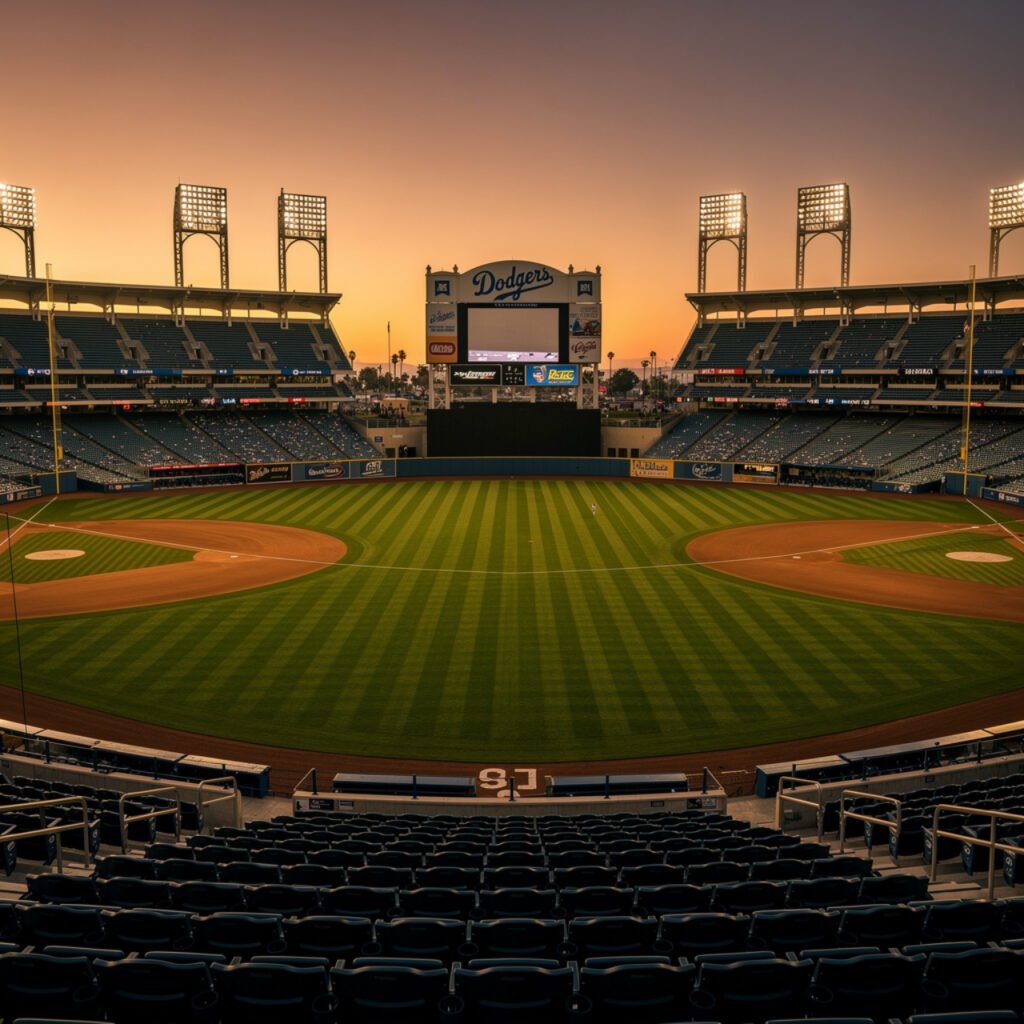
Braves vs Dodgers Preview That conversation intensified on Friday night at Dodger Stadium, when Los Angeles defeated Atlanta 3-1 in the opening game of a four-game weekend series that carries the unmistakable weight of a playoff preview. With both clubs firmly positioned at the top of the National League standings and 117 combined games still to play, the 2026 Braves vs Dodgers rivalry is already shaping up as the most compelling matchup the NL has to offer and the rest of baseball knows it.
Braves vs Dodgers Preview It is only May. The standings still have room to breathe. And yet, every time the Atlanta Braves and the Los Angeles Dodgers share a diamond, the conversation immediately skips ahead to October.
That conversation intensified on Friday night at Dodger Stadium, when Los Angeles defeated Atlanta 3-1 in the opening game of a four-game weekend series that carries the unmistakable weight of a playoff preview. With both clubs firmly positioned at the top of the National League standings and 117 combined games still to play, the 2026 Braves vs Dodgers rivalry is already shaping up as the most compelling matchup the NL has to offer and the rest of baseball knows it.
Before unpacking what happened Friday night, the standings tell the story of why this series matters so much.
The Atlanta Braves enter the weekend at 26-13, leading the NL East comfortably and holding one of the best records in all of baseball. The Los Angeles Dodgers sit at 24-14, tops in the NL West and the clear second-best record in the entire National League. Together, these two franchises represent the most credible NLCS contenders in the senior circuit with the Chicago Cubs lurking at 27-12 as the NL’s overall record-holder but facing question marks around depth that neither Atlanta nor Los Angeles share.
The NL playoff picture in early May looks like this: if the season ended today, Atlanta would be the two-seed, the Dodgers the three-seed, and the two would almost certainly meet in the National League Championship Series. That is the backdrop against which every pitch of this four-game series is being watched.

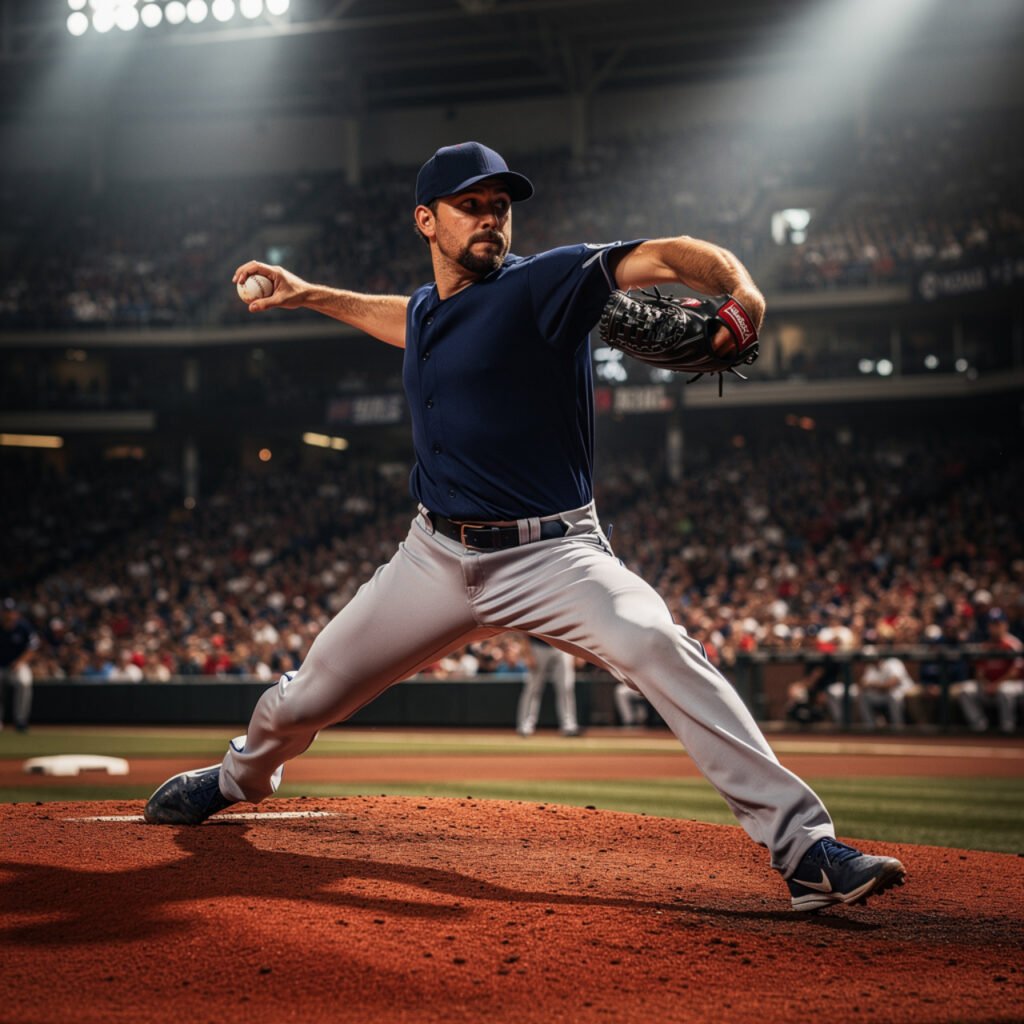
Friday night’s series opener was a tightly contested pitching duel that ultimately came down to one swing and one decision by Chris Sale that he will want back.
The Braves struck first. Michael Harris II was outstanding all evening, going 4-for-4 and doing everything in his power to give Atlanta the lead it needed. Austin Riley added a key extra-base hit, going 2-for-4 with a double and the RBI that gave the Braves their only run of the night. Atlanta out-hit the Dodgers 9-5 on the evening a number that tells the story of a team that created opportunities but could not convert them when it mattered most.
Sale was excellent for much of his seven-inning outing. He struck out seven, kept the Dodgers off-balance, and held a lineup loaded with danger to just five hits. But the damage came on a single pitch a hanging offering that Freddie Freeman turned into a home run, and a Kyle Tucker RBI double that proved the difference.
The Dodgers went 1-for-5 with runners in scoring position. The Braves went 1-for-10. In a game this tight, the failure to capitalise with runners on base is the most direct explanation for Atlanta’s loss. Sale’s ERA on the night checked in at 2.57 not the work of a pitcher who let his team down. It was the work of a pitcher whose team could not score enough runs behind him.
On the mound for Los Angeles, Emmet Sheehan was sharp through 4.2 innings, striking out seven while allowing only one earned run. A strong bullpen did the rest. Alex Vesia collected the win. Tanner Scott closed it out with a save. The Dodgers needed 164 pitches across their entire staff to get 27 outs a sign that Atlanta made them work for every inning, even if the scoreboard did not fully reflect it.
The subplot that nobody in Atlanta wanted to see play out did so on Friday night with a home run swing that changed the game.
Freddie Freeman, who spent his entire developmental career in Atlanta and won a World Series with the Braves before departing for Los Angeles, remains one of the most emotionally charged players in this rivalry. When he comes up in a big moment against his former team, the stakes feel different and Friday night delivered exactly that kind of moment.
Freeman’s home run off Sale swung the momentum decisively in the Dodgers’ direction. It was his second hit of the game in four at-bats. It was the kind of contribution that speaks to why Los Angeles constructed this roster the way it did not just signing Freeman for his production, but for exactly this quality in games that carry extra weight.
Shohei Ohtani added an RBI of his own, going 1-for-4. Kyle Tucker’s RBI double provided insurance. The Dodgers did not produce a dazzling offensive display five hits and a .172 batting average is modest but they produced exactly enough, in exactly the moments that mattered.
Atlanta’s 9-5 hit advantage over Los Angeles is a number that should have produced a different result. Instead, it produced a familiar frustration the Braves leaving too much on the table when the scoring opportunities arrived.
A 1-for-10 performance with runners in scoring position is the kind of stat that does not show up cleanly in a box score but explains a loss as thoroughly as any pitching collapse. The Braves had baserunners. They had Austin Riley and Matt Olson and Michael Harris II in the lineup. Yet they crossed home plate exactly once.
Drake Baldwin went 0-for-5 at the plate despite drawing two walks. Ozzie Albies went 0-for-5. Matt Olson, the first baseman Atlanta is counting on for run production, went 0-for-4. These are the players the Braves need to drive in runs against elite competition, and against the Dodgers’ pitching staff, they were collectively held in check.
This is not a crisis. One game against a Dodgers team that has the best pitching infrastructure in the National League does not define a lineup. But if the pattern repeats across games two, three, and four of this series, the questions about Atlanta’s ability to produce in marquee matchups will grow louder heading into summer.
The rest of the series is where the NLCS preview narrative either deepens or gets complicated.
Game two on Sunday and game three on Monday at Dodger Stadium give Atlanta the opportunity to respond. The Braves have the pitching to do it. Sale’s performance on Friday, despite the loss, demonstrated that Atlanta can compete with Los Angeles on equal terms when the pitching is on. The margin in this series will almost certainly come down to which offense shows up more consistently.
For the Dodgers, the rotation behind Sheehan is the question. Their depth is genuine one of the deepest staffs in baseball but the Braves have enough quality bats to punish any slip in command. Ohtani, Freeman, and Tucker anchoring the lineup means the Dodgers never feel genuinely short of firepower, but the 3-1 final Friday was closer than the scoreline might suggest.
What both managers are watching closely is how their respective bullpens hold up across four games in three days. That kind of workload creates opportunities for both sides, and the depth charts suggest this is where the Braves could find an opening in games two and three.
This is not a rivalry of perception. Both the Braves and the Dodgers are genuinely built to go deep in October. Atlanta’s 26-13 record is the product of a roster with no obvious weaknesses. Los Angeles at 24-14 is running a team constructed over several years of intelligent asset management, culminating in a star-studded lineup that features two of the game’s premier players in Ohtani and Freeman.
H3: The Stakes in Each Game Are Already High
A four-game series between division leaders in May means seeding. Every game a team wins in this series is a game toward homefield advantage in the NL playoffs. Both clubs know that. It changes how managers deploy their best arms and how hitters approach at-bats. The chess match started the moment the series schedule was published
The Braves and Dodgers have met in the postseason multiple times in recent history, producing drama that both fan bases carry into every regular-season matchup. Atlanta eliminated Los Angeles in 2020 before losing the World Series. The two franchises have traded playoff rounds in a way that has made this one of baseball’s most compelling ongoing rivalries. When these teams meet, neither side plays like it is May
Part of what elevates this series is the relative weakness of the alternatives. The NL Central leader Chicago Cubs at 27-12 represent a genuine threat they are the best record in the National League but their rotation depth remains a question that Atlanta and Los Angeles do not share. The San Diego Padres at 22-16 are competitive in the West but have not shown the consistency to be considered a genuine NLCS threat yet.
The Cardinals and Brewers are in contention in the Central but face similar questions around sustained excellence. The Mets, once considered a preseason contender, sit at 15-23 and are already in danger of playing their season out of the playoff picture entirely.
That landscape means the most likely NLCS matchup, as of May 9, 2026, remains exactly what the standings suggest Atlanta versus Los Angeles, with home field advantage running through whichever club finishes with the better record. This four-game series is the first real audition for that scenario, and the Dodgers won round one.
The Braves vs Dodgers preview in this May series is more than a regular-season mid-week storyline. It is the first direct measurement of where both franchises stand relative to each other and relative to an October that both clubs have circled on their calendars since spring training.
Dodgers 3, Braves 1 in game one. Freddie Freeman with a home run. Chris Sale pitching well enough to win on most nights. Michael Harris II going 4-for-4 and reminding everyone why Atlanta’s lineup can match Los Angeles at its best.
Three games remain in this series, and any of them could shift the momentum entirely. What Friday night confirmed is that the matchup is real, the quality is genuine, and the rivalry still delivers everything it promises even when October is five months away.
If these two teams meet again in October, baseball will be better for it.
Frontier Affairs covers MLB, sports analytics, and playoff race analysis. Game stats sourced from official MLB SportRadar data.