
playstation plus june 2026 games
Thursday, May 20, 2026 Trusted by millions worldwide Back to News Tech PlayStation Plus Subscribers Are About to Lose Another...
Read More → Tuesday, Aprail 28, 2026
Trusted by millions worldwide
Africa solar tech boom 2026 The rising demand is also being driven by falling solar technology costs, improved battery storage, and increased financing options. As a result, solar installations are expanding rapidly across urban and rural regions.
Africa solar tech boom 2026 Africa is witnessing a major solar technology boom in 2026 as countries accelerate the shift away from oil and fossil fuels. Governments across the continent are investing in renewable infrastructure, while businesses and households increasingly adopt solar power to address energy costs and supply reliability. The transition reflects both economic and environmental priorities, with solar energy emerging as a central part of long-term planning.
The rising demand is also being driven by falling solar technology costs, improved battery storage, and increased financing options. As a result, solar installations are expanding rapidly across urban and rural regions.
Several factors are driving the growth of solar technology adoption. Many countries are seeking alternatives to traditional oil-based energy systems.
Key drivers include:
These elements are accelerating the transition.
Oil-based power generation has long played a major role in some African economies. However, price volatility and infrastructure costs are prompting change.
Reasons for shifting from oil:
Solar energy offers a more predictable alternative.
Large-scale solar projects are expanding across the continent. Governments and private companies are developing solar farms to supply electricity to national grids.
Infrastructure developments include:
These projects improve capacity.
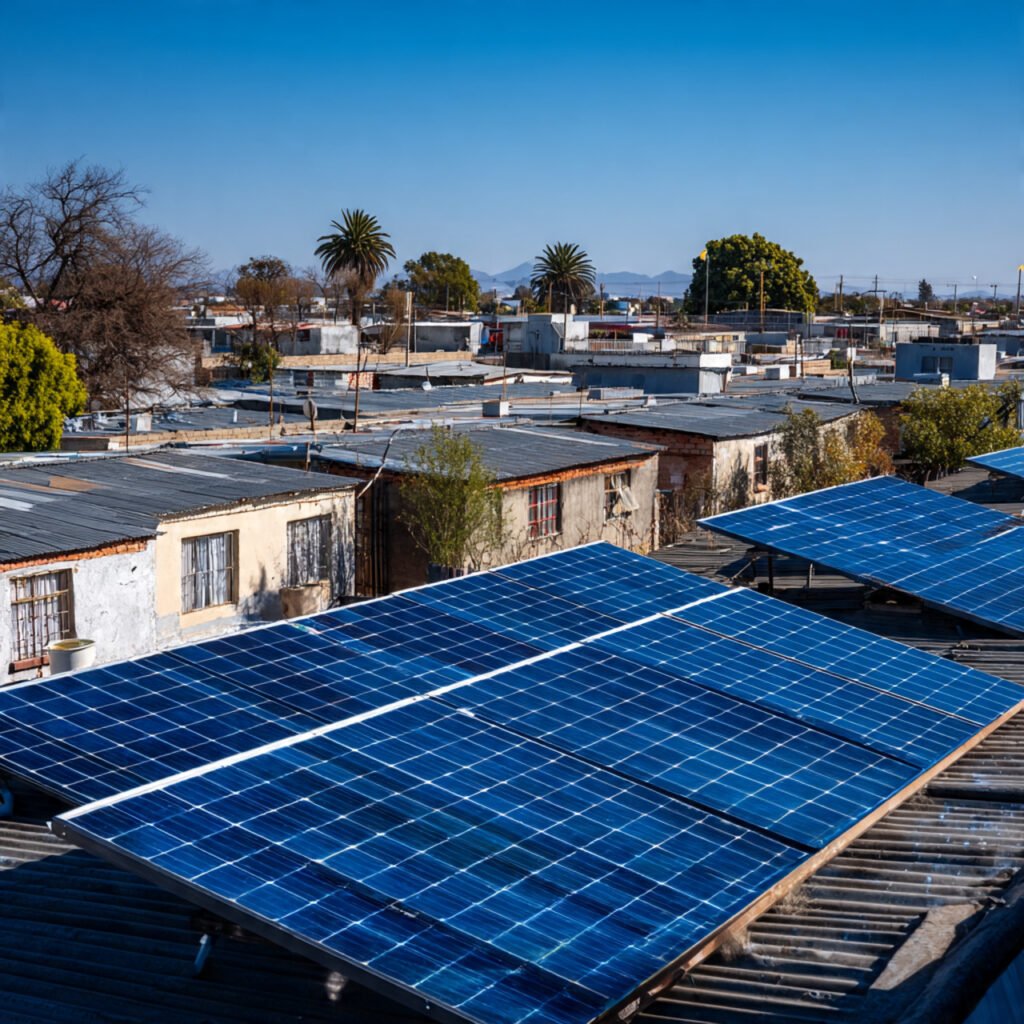
Solar technology is particularly useful in rural areas where grid infrastructure is limited. Off-grid solar systems allow communities to access electricity without large infrastructure investment.
Benefits for rural regions:
This has boosted adoption.
Declining equipment costs have made solar power more accessible. Panels, inverters, and batteries have become more affordable.
Cost-related factors:
Lower costs encourage investment.
Private companies are increasingly investing in solar energy projects. Investors view renewable energy as a growing opportunity.
Investment areas:
These investments accelerate growth.
Policy frameworks are encouraging renewable adoption. Many governments are introducing incentives.
Policy measures include:
These policies support expansion.
Solar adoption improves energy access across regions. Reliable electricity supports economic development.
Benefits include:
Energy access is expanding.

The solar boom is creating new employment opportunities. Installation, maintenance, and manufacturing require skilled labor.
Job growth areas:
This supports economic growth.
Solar systems now include better efficiency and storage options.
Advancements include:
These improve reliability.
Despite growth, challenges remain.
Key challenges:
Addressing these is important.
Battery systems allow solar power to be used during non-sunny periods.
Benefits include:
Storage supports growth.
As solar adoption increases, reliance on oil-based electricity may decline.
Possible outcomes:
This strengthens resilience.

Countries may collaborate on renewable projects.
Collaboration areas:
These initiatives improve capacity.
Solar demand is expected to continue growing.
Factors supporting growth:
The trend appears strong.
Africa’s solar tech boom in 2026 reflects a major shift toward renewable energy as countries reduce reliance on oil-based power. Rising demand, falling costs, and supportive policies are accelerating solar adoption across the continent. While challenges remain, continued investment and technological progress are expected to strengthen Africa’s clean energy transition and expand electricity access in the years ahead.