
playstation plus june 2026 games
Thursday, May 20, 2026 Trusted by millions worldwide Back to News Tech PlayStation Plus Subscribers Are About to Lose Another...
Read More → Tuesday, May 5, 2026
Trusted by millions worldwide
In recent years, military coups and changes in leadership across various parts of Africa have caught the world’s eye, as governments grapple with economic struggles, threats from insurgents, a lack of trust in institutions, and growing public dissatisfaction with governance. Experts suggest that the current situation is a tangled web of historical political conflicts, economic disparities, security issues, and global power plays. While the political landscape differs greatly from one country to another, the ongoing discussion about political instability and coups in Africa as we look toward 2026 increasingly focuses on how regional bodies, governments, and international allies are tackling the risks of instability that keep evolving.
The increasing focus on political instability and coups in Africa as we look toward 2026 highlights a growing international concern about the uncertainty in governance, security challenges, and the overall pressures facing various regions across the continent. Africa is undeniably one of the most vibrant and culturally rich areas in the world, yet the ongoing political turmoil in several nations has sparked intense discussions about the resilience of democracy, regional security, and strategies for long-term development. In recent years, military coups and shifts in leadership have drawn global attention as governments grapple with economic struggles, threats from insurgencies, a lack of trust in institutions, and widespread public dissatisfaction with governance. Experts suggest that the current situation is a complicated mix of historical political conflicts, economic disparities, security issues, and geopolitical rivalries. While the political landscape varies greatly across Africa, the broader conversation about political instability and coups in 2026 increasingly focuses on how regional institutions, governments, and international allies are responding to the risks of evolving instability. This situation also underscores larger global worries about democracy, economic resilience, and the long-term stability of emerging geopolitical regions.
Experts emphasize that political instability in Africa cannot be explained through a single factor.
In some countries, military intervention has occurred following periods of prolonged public dissatisfaction or security deterioration. In others, political tensions have developed around elections, constitutional reforms, or economic management.
The Africa political instability coups analysis 2026 therefore requires understanding the unique political and historical context of each country rather than viewing the continent as a single political environment.
Analysts warn that oversimplified narratives can ignore the diversity and complexity of African political systems and regional realities.
Security concerns remain one of the most significant drivers of political instability in several African regions.
Insurgencies, armed militant groups, border conflicts, and terrorism-related threats continue creating pressure on governments struggling to maintain stability while addressing economic and social challenges simultaneously.
In some cases, military leaders have justified political intervention by arguing that civilian governments failed to respond effectively to security crises.
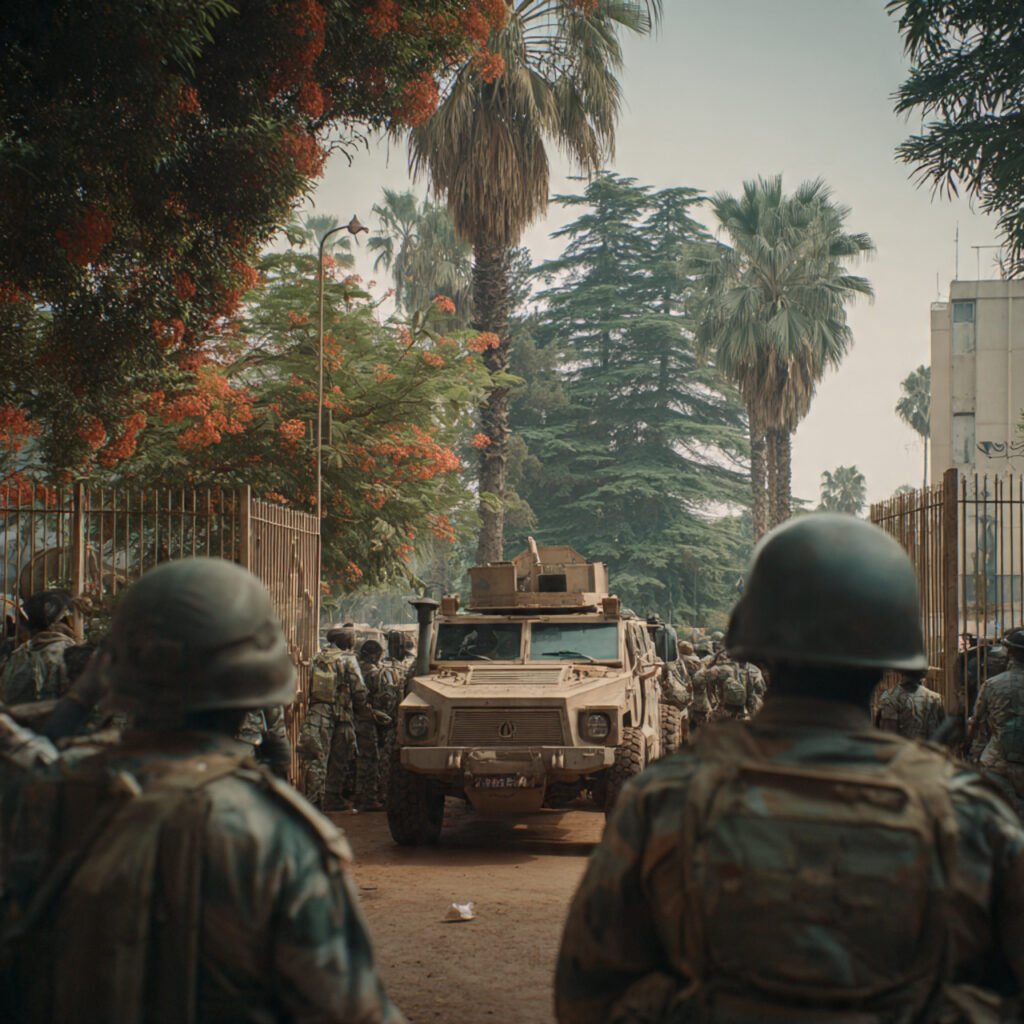
Economic hardship remains deeply connected to political dissatisfaction across many parts of the continent.
Rising food prices, unemployment, inflation, energy shortages, and debt pressures have increased public frustration in several countries already facing political tensions. Young populations entering difficult labor markets have also intensified demands for economic reform and stronger governance accountability.
Africa’s rapidly growing population creates enormous long-term economic potential, but analysts warn that persistent unemployment and inequality may increase instability risks if governments fail to deliver sustainable economic opportunities.
The Africa political instability coups analysis 2026 highlights how economic conditions often shape political legitimacy and public trust in leadership institutions.
Economic resilience is therefore becoming one of the most important factors influencing long-term regional stability.
African regional organizations continue facing difficult challenges in responding to political instability and unconstitutional leadership changes.
Groups such as the African Union and regional blocs across West, Central, and East Africa have attempted to balance diplomatic engagement, sanctions, and mediation efforts while avoiding further escalation.
However, analysts note that responses to political crises have sometimes appeared inconsistent or limited by competing regional interests.
The Africa political instability coups analysis 2026 raises broader questions about how effectively continental institutions can enforce democratic norms while maintaining regional cooperation and stability.
Diplomatic pressure alone may not always resolve deeper structural political and economic problems driving instability.
The Africa political instability coups analysis 2026 increasingly connects governance concerns with broader regional security conditions, particularly in areas facing prolonged violence or institutional fragility.
Security instability can also weaken economic investment, disrupt infrastructure development, and increase humanitarian pressure on neighboring states.
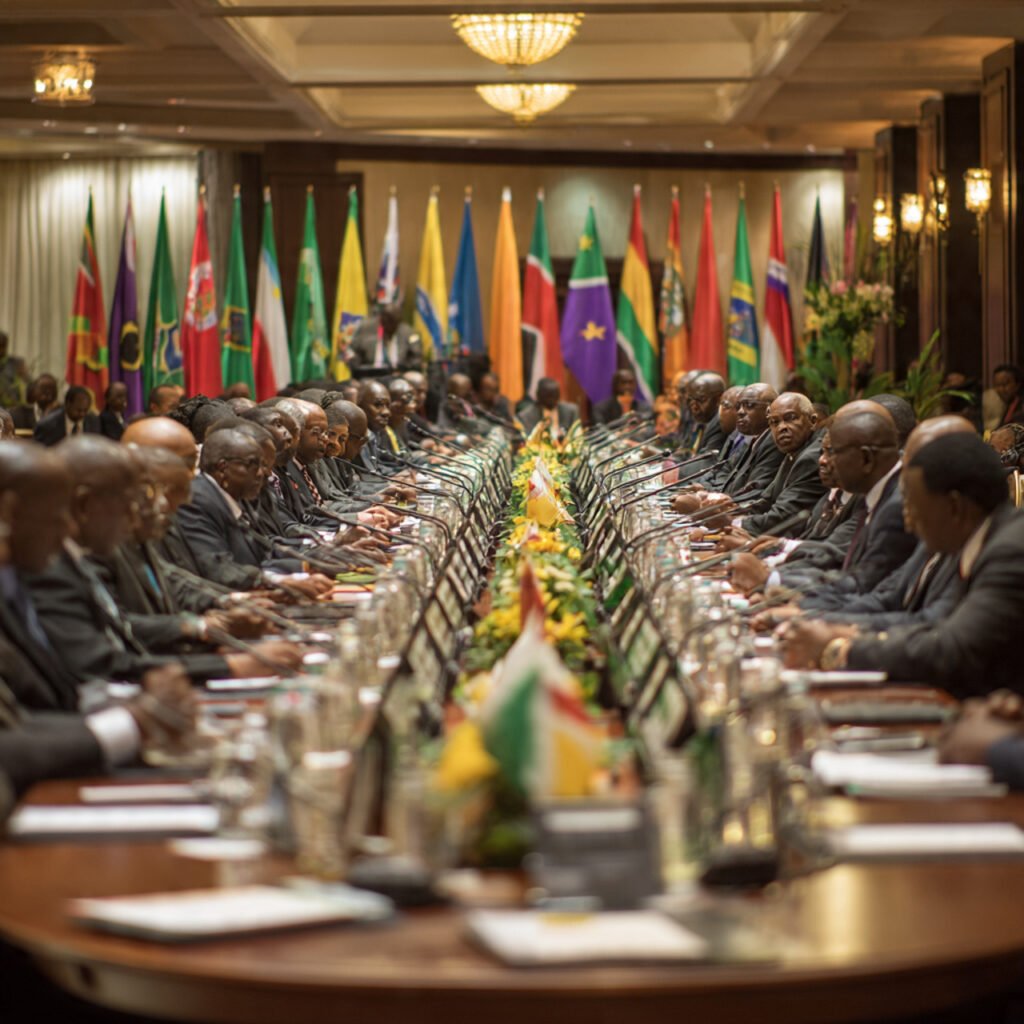
Africa’s growing geopolitical importance has also increased international involvement across the continent.
Major global powers continue competing for influence through:
This geopolitical competition has complicated political dynamics in some regions where governments seek external partnerships to strengthen security or economic leverage.
Analysts warn that foreign involvement can sometimes intensify internal political tensions if competing international interests become entangled with domestic power struggles.
The Africa political instability coups analysis 2026 therefore extends beyond internal politics and into broader global strategic competition.
Africa possesses one of the world’s youngest and fastest-growing populations.
This demographic transformation carries both enormous economic opportunity and significant political implications. Young populations increasingly connected through digital technology and social media are demanding greater accountability, transparency, and economic inclusion from political leaders.
The future direction of African politics may therefore depend heavily on how governments respond to the expectations of rapidly expanding youth populations.
Analysts believe youth engagement could become one of the defining political forces shaping the continent’s long-term trajectory.

Digital communication has completely changed the way political movements organize and spread throughout Africa. Thanks to social media platforms, independent journalism, and mobile connectivity, people now have greater access to political information. However, this also brings new challenges, such as misinformation, political polarization, and online influence campaigns. Governments dealing with instability often find themselves in rapidly changing information landscapes, where public opinion can shift dramatically during crises. The analysis of political instability and coups in Africa for 2026 highlights how digital communication has become crucial in shaping political narratives, protest movements, and public trust. As a result, controlling information and ensuring media freedom are increasingly vital topics in modern governance discussions across the continent.
The rising global focus on Africa’s political instability and coups as we look toward 2026 highlights the continent’s growing geopolitical significance and the serious challenges many regions are facing amid political uncertainty. Economic pressures, security threats, governance issues, and geopolitical rivalries are all playing a role in shaping the political landscape across various African nations. Meanwhile, factors like population growth, increased digital connectivity, and heightened public expectations are shifting political dynamics in ways that could have lasting impacts for decades to come. While instability is a pressing concern in certain areas, Africa is also showcasing its resilience, economic aspirations, and rich political diversity, which are important to recognize. The continent’s future will likely hinge on how well governments, regional organizations, and international allies tackle these structural challenges while fostering long-term stability, development, and democratic accountability. As the world increasingly turns its gaze toward Africa’s strategic and economic relevance, political stability could emerge as a key factor influencing the continent’s next phase of growth and transformation.