
playstation plus june 2026 games
Thursday, May 20, 2026 Trusted by millions worldwide Back to News Tech PlayStation Plus Subscribers Are About to Lose Another...
Read More → Tuesday, May 19, 2026
Trusted by millions worldwide
By mavia fazal
kimi antonelli nurburgring permit ban The buzz around Kimi Antonelli and the recent ban on his Nurburgring permit has quickly turned into one of the most intriguing topics in the motorsport world. What seemed like a simple team decision has ignited a wider conversation in Formula 1 about how drivers are managed, safety issues, long-term growth, and the immense pressure that young talents face as they step into the high-stakes world of elite racing. For years, Antonelli’s ascent through the ranks of junior motorsport has been closely monitored. Many in the Formula 1 community see him as one of the sport’s most promising up-and-comers, someone who could significantly influence the championship landscape for the next decade. Given this reputation, nearly every choice made regarding his career is met with intense public scrutiny. The recent uproar over the Nurburgring permit ban highlights how modern racing organizations are increasingly cautious about managing young drivers, whose potential value stretches far beyond just a single race weekend
kimi antonelli nurburgring permit ban One major reason this situation generated so much attention is because Formula 1 teams increasingly operate with long-term strategic thinking when managing younger talent.
Modern racing organizations invest enormous financial and developmental resources into promising drivers. As a result, protecting those investments has become a major priority.
Because of these factors, decisions that may appear overly cautious publicly often make more sense internally from a long-term performance perspective.
The reaction surrounding the kimi antonelli nurburgring permit ban highlights how seriously teams now approach career management for elite prospects.
The Nürburgring remains one of motorsport’s most legendary circuits, but it also carries a reputation for unpredictability and technical difficulty.
has historically made it one of racing’s most demanding environments.
Even experienced drivers often describe Nürburgring racing as uniquely challenging compared to more controlled modern Formula 1 circuits.
Because of this reputation, many analysts believe concerns connected to the kimi antonelli nurburgring permit ban likely involve broader risk management rather than punishment or controversy alone.
Because of this complexity, decisions that seem unusual externally often reflect broader strategic thinking internally.
The debate around the kimi antonelli nurburgring permit ban highlights how modern Formula 1 increasingly balances sporting ambition with long-term career management.
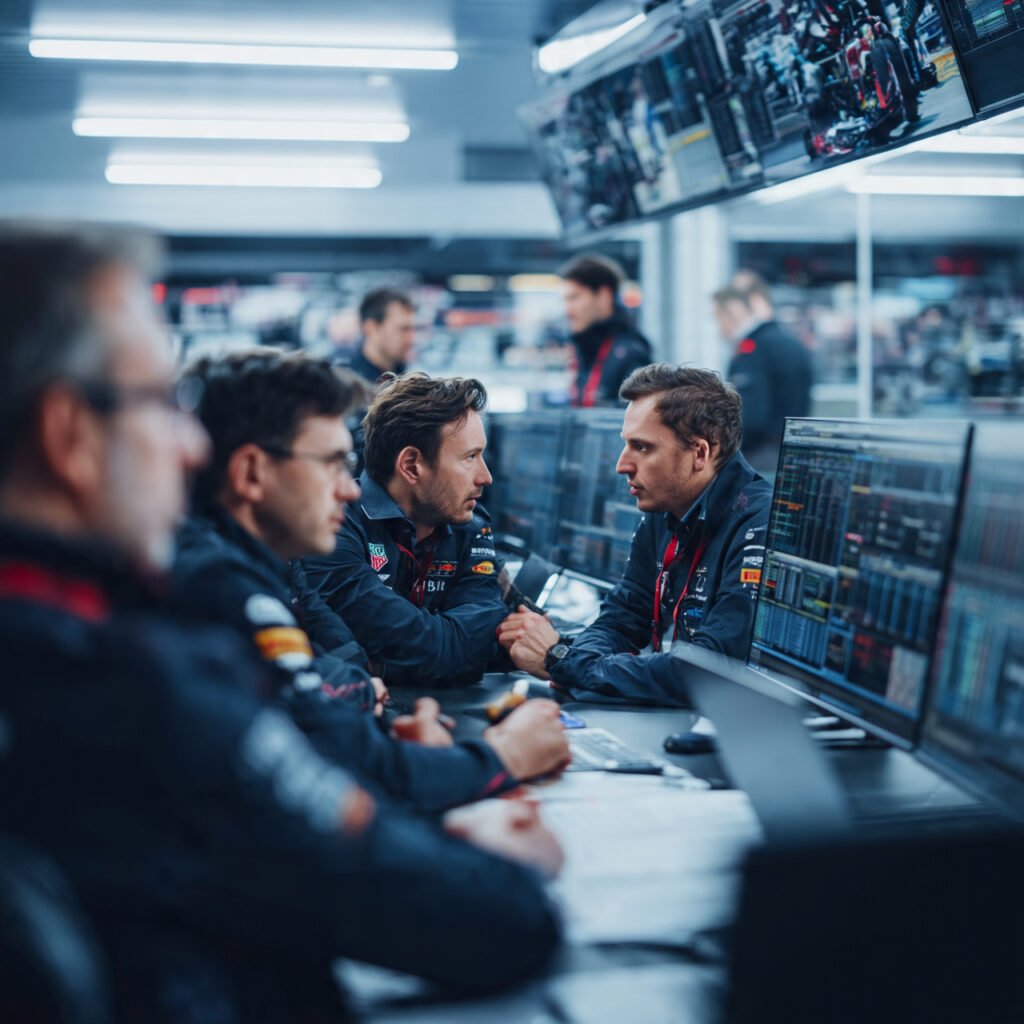
Modern Formula 1 prospects enter global spotlight environments far earlier than previous generations.
Social media, streaming coverage, constant news cycles, and digital analysis now place enormous pressure on teenagers and younger drivers before they even fully establish themselves professionally.
Antonelli’s rapid rise has already created huge expectations around his future. Every performance, testing session, and developmental decision receives close scrutiny from fans and media.
The intense attention surrounding the kimi antonelli nurburgring permit ban reflects this reality where even relatively small career-management decisions quickly become major public discussion topics.
Driver academies and development programs now function with extraordinary precision compared to previous eras.
Top organizations use advanced analytics, simulation data, physical monitoring, and psychological support systems to optimize long-term driver progression.
Teams increasingly prefer controlled developmental pathways rather than allowing younger drivers to participate freely across multiple racing environments without strategic oversight.
The conversation around the kimi antonelli nurburgring permit ban fits into this larger trend where modern racing organizations prioritize structured progression over unnecessary exposure to additional risk.
One reason situations like this generate debate is because fans naturally focus on competition and racing opportunity, while teams often prioritize long-term planning and asset protection.
Supporters frequently want talented drivers to race as much as possible. Internally, however, organizations may evaluate decisions
This disconnect can create controversy even when decisions are strategically logical.
The reaction to the kimi antonelli nurburgring permit ban demonstrates how public expectations around young stars sometimes clash with cautious organizational management.
Despite the controversy itself, one thing remains very clear: Kimi Antonelli’s reputation within motorsport continues expanding quickly.
The fact that the kimi antonelli nurburgring permit ban became such a widely discussed topic reflects how much attention now follows his career trajectory.
In motorsport, only highly valued prospects generate this level of conversation around developmental decisions.
Because of this broader safety culture, teams now frequently make conservative decisions that might once have seemed unnecessary in older racing eras.
The kimi antonelli nurburgring permit ban discussion reflects how deeply modern motorsport prioritizes preventative management.
If a team believes avoiding unnecessary risk today helps maximize future championship potential, it will almost always choose the more cautious option.
Analysts discussing the kimi antonelli nurburgring permit ban frequently point toward this long-term mindset as a likely explanation behind the decision.

The ongoing discussion about the kimi antonelli nurburgring permit ban reveals just as much about Antonelli’s growing reputation as it does about the decision itself. Young drivers typically don’t face this kind of scrutiny unless the motorsport community truly believes they have exceptional talent. While fans might debate whether limiting Nürburgring participation was necessary, this situation highlights broader trends that are influencing modern Formula 1. As Antonelli continues to climb the ranks in motorsport, experiences like this are likely to be part of his journey. In today’s Formula 1 landscape, safeguarding the future often takes on equal importance to making the most of the present.