playstation plus june 2026 games
Thursday, May 20, 2026 Trusted by millions worldwide Back to News Tech PlayStation Plus Subscribers Are About to Lose Another...
Read More → Sunday, May 17, 2026
Trusted by millions worldwide
By mavia fazal
Diplomat Global Tensions 2026 Wars can be sparked with relative ease. The real challenge the part that demands a unique blend of skill, patience, and the ability to sit face-to-face with someone who might loathe you, all while finding words that neither side feels belittled by is bringing them to a close. In May 2026, with the Strait of Hormuz under blockade, a shaky ceasefire in Iran that President Trump himself described as being on “massive life support,” Ukraine caught in a conflict where a three-day truce barely held, and the two largest economies in the world trying to mend their relationship at a summit in Beijing, diplomats have once again become the most crucial and closely watched players in global politics. This isn’t just a coincidence; it’s a direct result of the circumstances we find ourselves in.
Diplomat Global Tensions 2026 The term “diplomat” often carries a formal tone that can sometimes mask the true nature of the role. At its core, a diplomat is simply someone who manages relationships between parties with differing interests, relying on communication, compromise, and the creation of common ground instead of resorting to force. Looking ahead to global diplomacy in 2026, we can expect a practical shift towards managed coexistence an approach based on mutual reliance rather than shared ideals. The diplomatic strategies for 2026 will focus on flexibility and partnerships driven by interests, rather than sticking to rigid value systems. This perspective highlights the crucial tension of our times. The post-Cold War period was characterized by a diplomatic framework that prioritized values like democracy, human rights, and a rules-based international order. However, the 2026 approach is quite different. It’s more transactional, bilateral, and, frankly, a bit uncomfortable. Yet, given the crises we face today, it’s the only model we have to work with.
Right now, no diplomatic setback in the world has more immediate economic repercussions than the stalled talks with Iran. The first round of high-level discussions took place in Oman on April 12, 2025, with US Special Envoy Steve Witkoff and Iranian Foreign Minister Abbas Araghchi at the helm. Both the White House and the Iranian Foreign Ministry described the talks as constructive. However, despite several months of follow-up meetings in Rome, Muscat, Geneva, and Islamabad, no agreement was reached, and the Strait of Hormuz remained mostly closed. The divide between the two parties isn’t just a matter of technicalities; it’s deeply rooted. The US has insisted that Iran dismantle its three primary nuclear sites at Fordow, Natanz, and Isfahan and hand over all enriched uranium. On the other hand, Iranian negotiators have been unwilling to even touch on their country’s ballistic missile program and its support for proxy groups two critical points for the Trump administration.
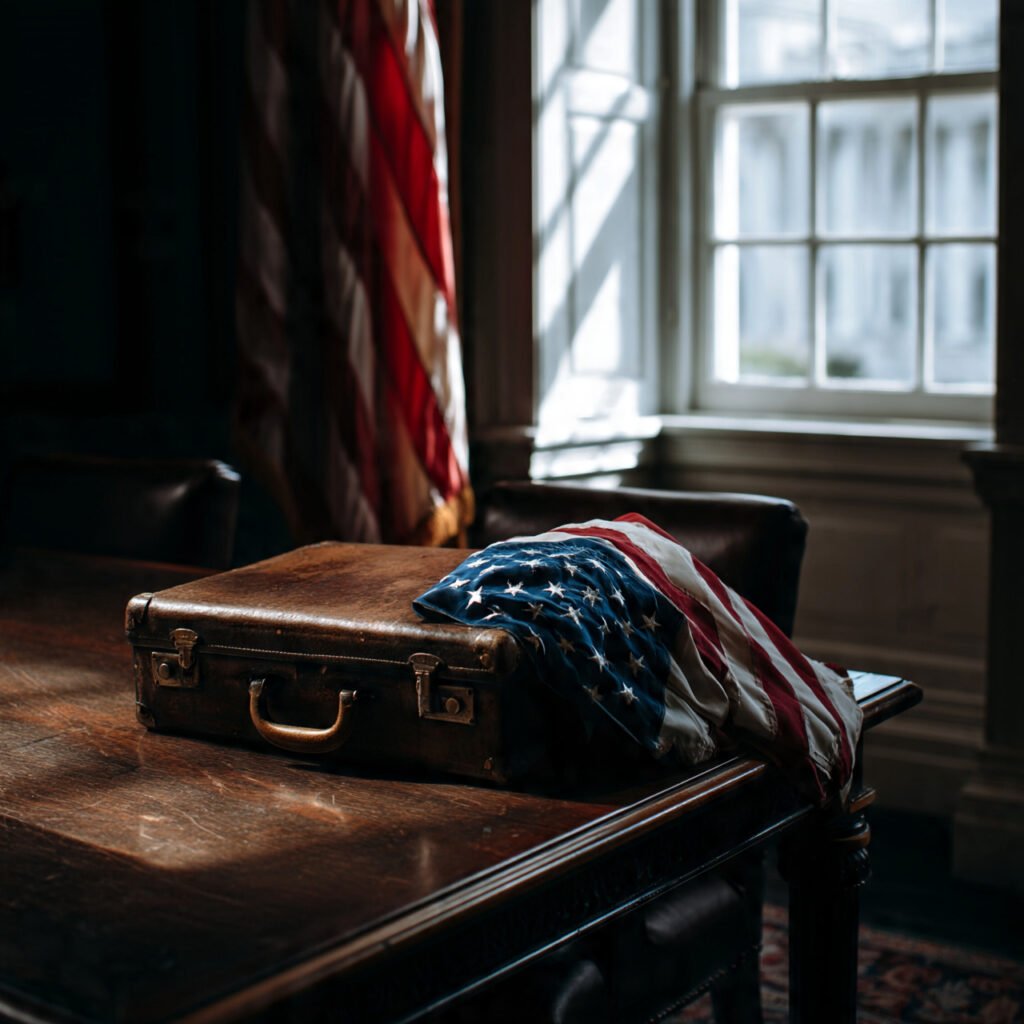
While the official envoys from Washington often grab the headlines, it’s actually the diplomats working behind the scenes in Islamabad and Muscat who have come closest to making real progress. Pakistani leaders, including Prime Minister Shehbaz Sharif, have been burning the midnight oil to bring both sides together for a second round of ceasefire talks in Islamabad marking the highest-level discussions between the US and Iran since the Islamic Republic was established in 1979. Analysts are noting that the seniority of the delegations suggests a true willingness to reach an agreement. Meanwhile, Oman’s Foreign Minister Badr bin Hamad Al Busaidi has played a crucial role as a mediator in several rounds of indirect talks, skillfully balancing the trust of both Washington and Tehran while crafting language that allows each side to engage without seeming to back down on their fundamental positions.
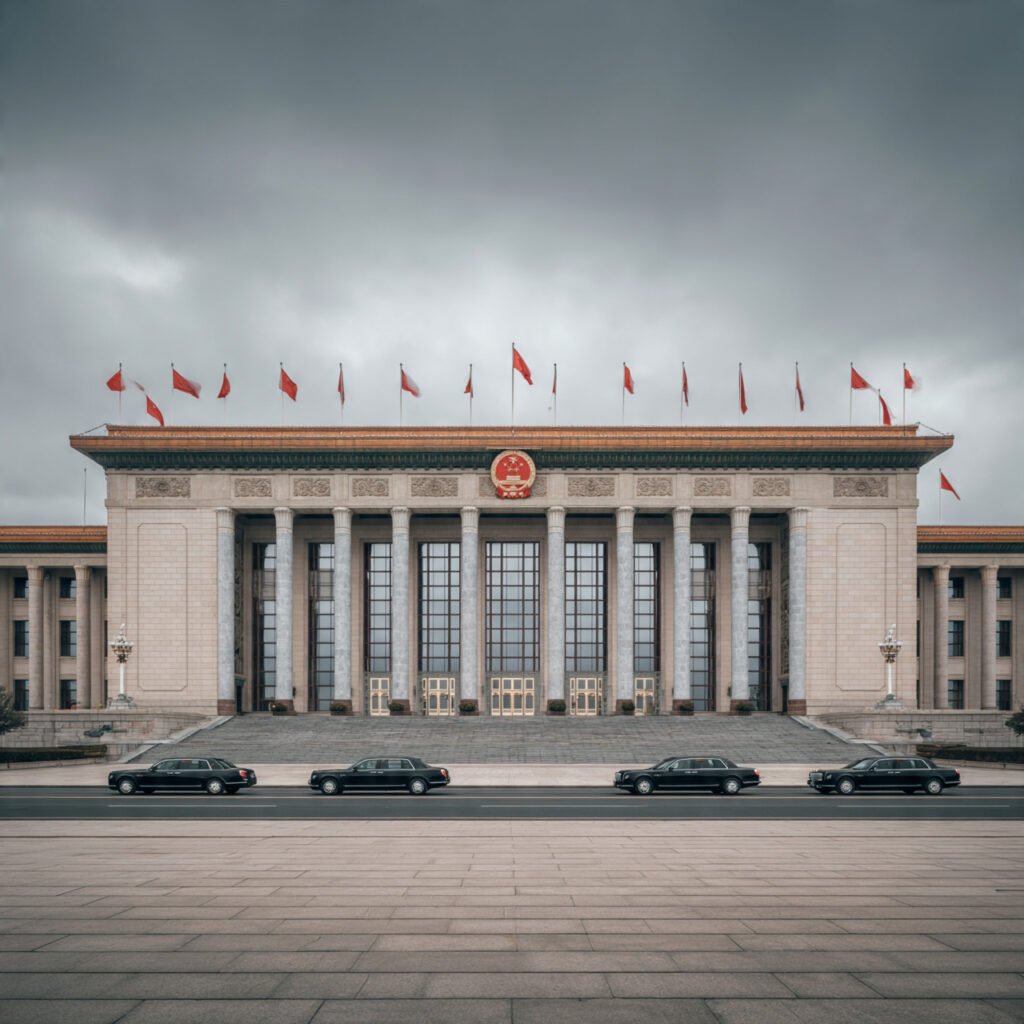
When Trump touched down in Beijing on May 13, 2026, the summit he was about to attend was already making waves, even before a single word was exchanged. On the very first day, the two leaders committed to strengthening their ties, with Beijing’s official statement outlining a vision for a constructive China-US relationship focused on strategic stability for the next three years and beyond. However, the gap between diplomatic language and the actual dynamics of the summit was significant. Analysts were predicting that the most concrete outcomes would likely be an extension of the trade truce established in October, along with renewed Chinese purchases of American agricultural products and Boeing planes rather than any major breakthroughs on issues like Iran, Taiwan, or the ongoing tensions between the two nations. Washington recognized it needed Beijing’s assistance to encourage Iran to return to the negotiating table, but it was also acutely aware of the risks involved in directly seeking that support, which could potentially give China an advantage in their bilateral relationship.
What makes the diplomat’s role in 2026 so much tougher than in the past is the decline of the institutional frameworks that diplomacy has always depended on. Countries that can adapt engaging with different governance models while still protecting their national interests will be in the best position to influence outcomes in this ever-changing geopolitical landscape. The focus is shifting from strict doctrines to flexibility. The United Nations Security Council is stuck, paralyzed by the veto powers of its permanent members who have clashing interests. NATO is facing an internal crisis regarding America’s commitment. The G7 and G20 have lost their ability to make binding agreements. The WTO’s dispute resolution process has been intentionally weakened. What we have left is bilateral diplomacy, regional mediation, and the personal connections between senior officials those chance meetings in the hallway, the late-night phone calls, and the carefully chosen words that let both sides feel like they haven’t given anything up while inching toward a position neither of them held just a month ago.
When it comes to the Iran crisis, there’s simply no military solution that won’t leave the Strait of Hormuz shut down, inflation soaring, and the Middle East in a more precarious state than it was before any military action. Similarly, the Ukraine conflict doesn’t have a military fix that doesn’t risk escalating into a situation that no one is ready to handle. And let’s not forget the US-China relationship; any confrontational approach is bound to lead to an economic fallout that neither side can afford. What we’re left with is diplomacy. But not the kind of idealistic diplomacy that’s based on shared values and multilateral institutions that world is pretty much on hold for now. The diplomacy of 2026 is a lot darker and more transactional. It’s about Omani intermediaries juggling separate meetings with two delegations that won’t even sit in the same room. It’s Pakistani prime ministers burning the midnight oil to keep a ceasefire going. It’s a summit in Beijing where both leaders walk away claiming victory from results neither of them truly wanted.