
playstation plus june 2026 games
Thursday, May 20, 2026 Trusted by millions worldwide Back to News Tech PlayStation Plus Subscribers Are About to Lose Another...
Read More → Friday, May 15, 2026
Trusted by millions worldwide
By mavia fazal
Hegseth Poland Troops Decision The decision regarding the Hegseth Poland Troops has ignited a heated debate in Washington, especially after reports indicated that several Pentagon officials were taken by surprise by a significant change in U.S. military positioning in Poland. According to various reports making the rounds in defense and political circles, it seems that some officials within the Department of Defense were not even aware that this move was being finalized until just before it was announced. The suddenness of this decision has raised serious concerns about internal communication, military planning, and the overall strategic direction of U.S. defense policy in Europe. This situation has caught the attention of the international community, as Poland is one of NATO’s key members on the alliance’s eastern front.
Hegseth Poland Troops Decision Poland has become one of NATO’s most significant regional partners over the last decade. Its geographic position on the alliance’s eastern flank makes it central to military logistics, training operations, and regional defense planning.
The country has also strengthened defense cooperation with Washington through joint exercises, modernization programs, and expanded security coordination.
Because of this, troop-related decisions connected to Poland often attract close international attention. Defense analysts note that American military positioning in Eastern Europe is viewed not only as a logistical issue but also as an important signal of alliance stability and long-term commitment.
The Hegseth Poland Troops Decision therefore quickly moved beyond a routine military discussion and became part of a wider geopolitical conversation.
According to reports from defense sources, some Pentagon personnel were reportedly surprised by the timing and structure of the announcement connected to troop planning in Poland.
Although disagreements inside large defense institutions are not unusual, the reports generated attention because major military decisions typically involve detailed coordination between military planners, intelligence officials, diplomatic teams, and allied governments.
When communication appears compressed or unexpected, it can create confusion regarding implementation timelines and operational planning.
However, analysts also caution against overstating internal tensions, noting that defense policy debates frequently occur privately and may reflect normal bureaucratic disagreements rather than institutional instability.

The reaction to the Hegseth Poland Troops Decision extends beyond Washington.
European allies, especially countries near NATO’s eastern border, are paying close attention to how the United States manages military coordination and regional defense commitments.
Poland has consistently supported stronger NATO defense cooperation and remains one of the alliance’s most active military partners in Europe. The country has invested heavily in defense infrastructure and continues strengthening security cooperation with both the United States and neighboring NATO members.
For allies in the region, clarity and predictability in military communication remain essential. Even when policies themselves are broadly supported, uncertainty surrounding implementation can create concerns about long-term strategic coordination.
The controversy surrounding the Hegseth Poland Troops Decision also reflects larger political debates in Washington regarding America’s international military responsibilities.
Some policymakers strongly support maintaining a robust American military presence in Europe, arguing that visible NATO coordination helps strengthen deterrence and reassure allies during periods of geopolitical uncertainty.
Others believe the United States should continuously evaluate overseas military commitments to ensure resources are aligned with long-term strategic priorities.As a result, even relatively technical troop deployment decisions can quickly become politically sensitive topics.
The reports surrounding the decision have also intensified scrutiny around Pentagon leadership and defense management processes.
Large military institutions depend heavily on organization, timing, and communication discipline. Analysts say clear coordination between civilian leadership and military planning teams remains essential for maintaining operational efficiency and alliance confidence.
The situation has prompted renewed discussion about how major defense announcements should be communicated internally before becoming public.
Some former defense officials have argued that transparency within command structures helps avoid unnecessary confusion, especially when dealing with international military operations involving multiple allied governments.
Despite shifting global priorities, Europe continues holding strategic importance in U.S. defense planning.
NATO’s eastern flank remains an area of active coordination due to regional security concerns and ongoing alliance modernization efforts. Military exercises, infrastructure investments, and troop rotations continue playing a role in maintaining readiness across the region.
That broader context helps explain why the Hegseth Poland Troops Decision generated such strong attention among military analysts and policymakers.
Any perceived shift in troop posture or alliance communication is closely examined because it may influence regional security perceptions among both allies and international observers.
The debate is likely to continue as additional details emerge regarding how the decision was developed and communicated internally.
For now, officials appear focused on reinforcing alliance coordination while minimizing uncertainty surrounding broader U.S. security commitments in Europe.
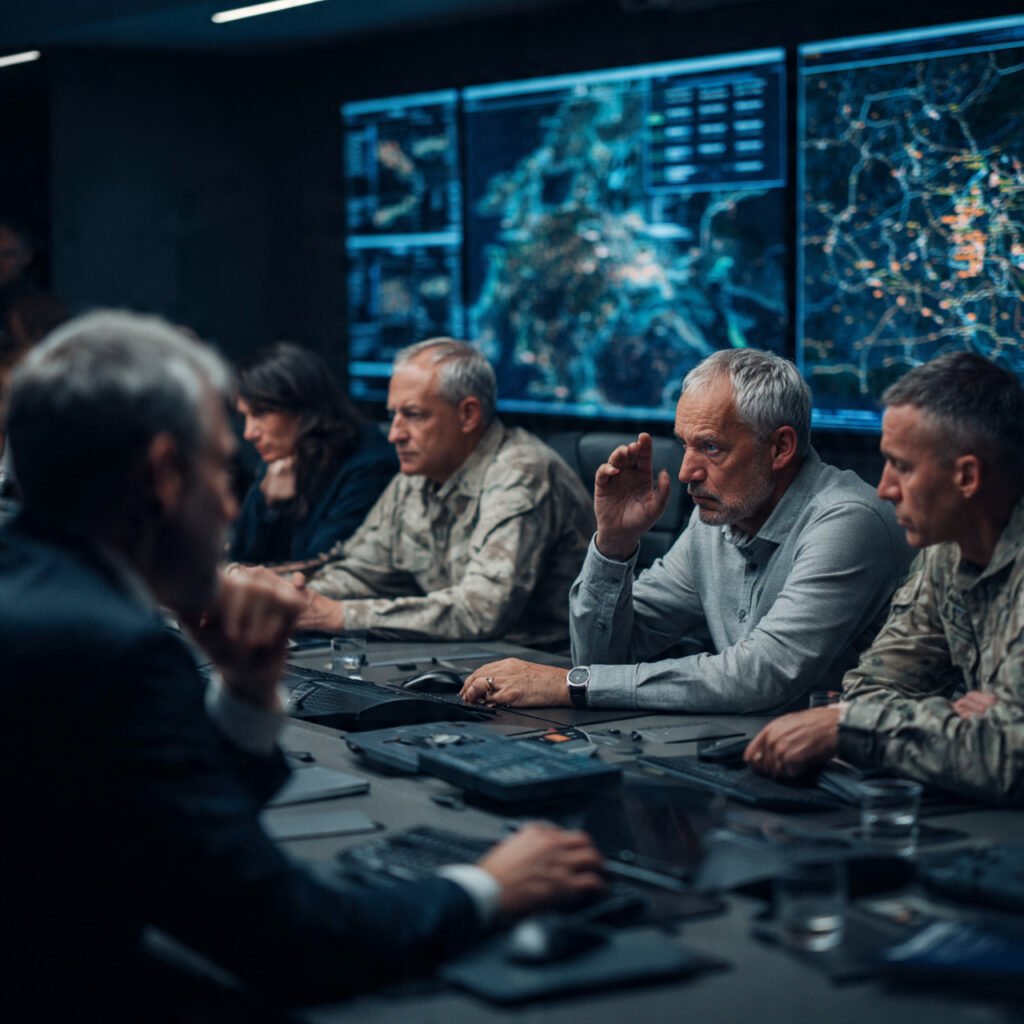
The increasing focus on the Hegseth Poland Troops Decision really underscores just how delicate military positioning can be in today’s complex geopolitical landscape. Poland is a vital NATO ally and plays a crucial role in regional security efforts, but reports indicating that some Pentagon officials were caught off guard have ignited wider discussions about defense coordination, communication strategies, and the discipline of strategic planning. As conversations unfold in Washington and among NATO partners, this situation serves as a poignant reminder that military policy decisions often have diplomatic, political, and operational consequences that extend well beyond the initial announcement.