playstation plus june 2026 games
Thursday, May 20, 2026 Trusted by millions worldwide Back to News Tech PlayStation Plus Subscribers Are About to Lose Another...
Read More → Thursday, May 14, 2026
Trusted by millions worldwide
By mavia fazal
Kevin Warsh Confirmed 2026 The phrase “Kevin Warsh Confirmed 2026” quickly turned into a hot topic in both political and financial circles after the Senate gave the green light to Donald Trump’s controversial pick for the Federal Reserve, following weeks of heated political debate and partisan clashes. Warsh’s confirmation is seen as one of the most crucial economic appointments of the year, especially since the Federal Reserve plays a key role in America’s battle against inflation, the uncertainty of interest rates, and the slowdown in economic growth. The Senate showdown over his nomination revealed significant rifts in Washington regarding the future of U.S. monetary policy, the independence of the Federal Reserve, and the broader economic strategy under Trump’s leadership. Now, financial markets are keeping a close eye on how Warsh’s presence might influence future interest rate decisions and overall economic policy in the coming years.
Kevin Warsh is not a new figure in American economic policy circles.
A former Federal Reserve governor and longtime financial policy adviser, Warsh has spent years involved in discussions surrounding monetary strategy, banking stability, and economic growth. His return to a major Federal Reserve leadership role immediately drew attention from investors, economists, and political leaders.
The importance of Kevin Warsh Confirmed 2026 lies in the timing of the appointment.
Because the Federal Reserve directly influences interest rates and financial conditions, leadership changes inside the institution can significantly affect both markets and public confidence.
Warsh’s confirmation process quickly evolved into one of the most contentious Senate economic hearings in recent years.
Supporters argued that Warsh brings valuable financial experience and a strong understanding of market systems during a period of economic uncertainty. Republicans largely framed him as a disciplined economic strategist capable of helping stabilize inflation and strengthen long-term growth.
Critics, however, questioned whether his policy views might align too closely with Trump’s political priorities.
Financial markets reacted cautiously following confirmation of Trump’s Fed pick.
At the moment, analysts believe Warsh is likely to support a relatively disciplined monetary approach while also remaining sensitive to economic growth concerns.
Bond markets and banking stocks showed mixed reactions immediately after the Senate vote, reflecting uncertainty about how future policy could evolve.
Some investors welcomed the appointment as a sign of policy consistency, while others worry that increased political influence over the Federal Reserve could create long-term instability.
One reason the Kevin Warsh Confirmed 2026 story carries so much importance is the continued pressure surrounding inflation.
Although inflation rates have moderated compared to earlier peaks, prices in several sectors remain elevated. Housing costs, energy markets, and consumer goods continue influencing public frustration over the economy.
The Federal Reserve’s handling of interest rates therefore remains politically sensitive.
Warsh’s confirmation is seen as a political win for Donald Trump. This appointment boosts Trump’s influence over the Federal Reserve at a time when economic issues are set to take center stage in political debates leading up to the next elections. Trump has often voiced his criticisms of the Federal Reserve’s policies, especially when it comes to interest rates and how the economy is managed. Given this background, many critics are worried about keeping the central bank’s independence intact. On the flip side, supporters believe that it’s natural for presidents to influence economic policy through their appointments, and they argue that seasoned financial experts like Warsh can still function independently, even with their political ties.
One of the biggest themes emerging from the confirmation battle is renewed debate over Federal Reserve independence.
Traditionally, the Fed is designed to operate separately from direct political control so that monetary policy decisions can focus on long-term economic stability rather than short-term political goals.
However, modern political polarization has increased scrutiny around every major Fed appointment.
Analysts say maintaining public trust in the institution will remain critical moving forward.
If markets believe monetary policy decisions are becoming too politically influenced, investor confidence could weaken over time.
That is why Warsh’s future communication style and policy decisions will be watched very carefully.
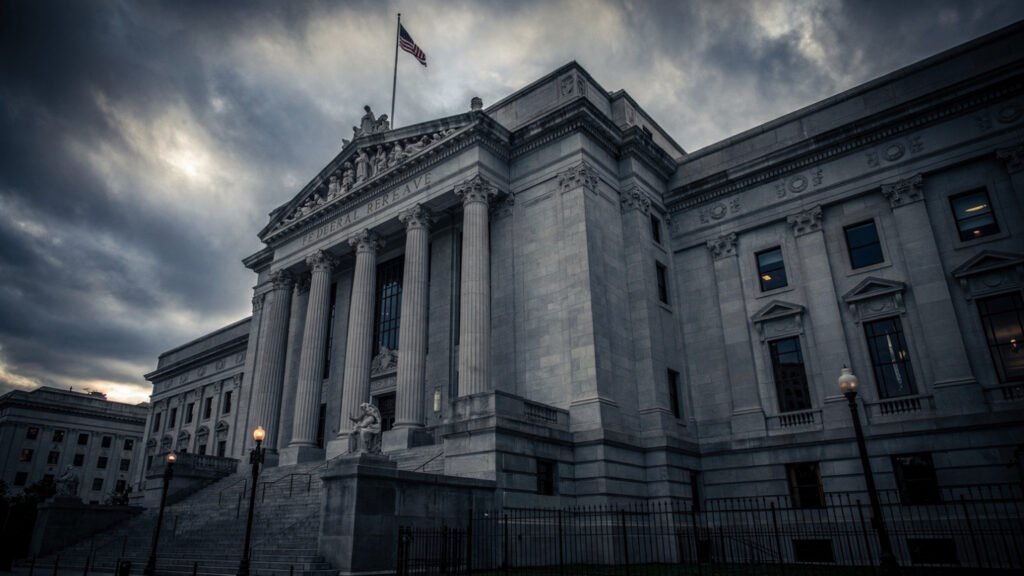
The impact of Kevin Warsh Confirmed 2026 extends beyond the United States.
Because the U.S. dollar and Federal Reserve play major roles in global finance, international markets are also closely monitoring leadership changes at the central bank.
Any major shift in interest rate expectations can quickly influence economies around the world.
That global importance explains why financial institutions internationally followed the Senate confirmation process so closely.
Following the Kevin Warsh Confirmed 2026 announcement, economists and market analysts immediately began debating how his leadership style could influence future Federal Reserve decisions. Some financial experts believe Warsh may support policies focused on maintaining market confidence and controlling inflation aggressively, while others expect a more balanced approach aimed at protecting economic growth.
Because the U.S. economy remains sensitive to interest rate changes, even small policy adjustments under Federal Reserve leadership can affect mortgages, business loans, investment markets, and consumer spending across the country. This is why investors are paying close attention not only to Warsh’s statements but also to the broader economic signals coming from the central bank.
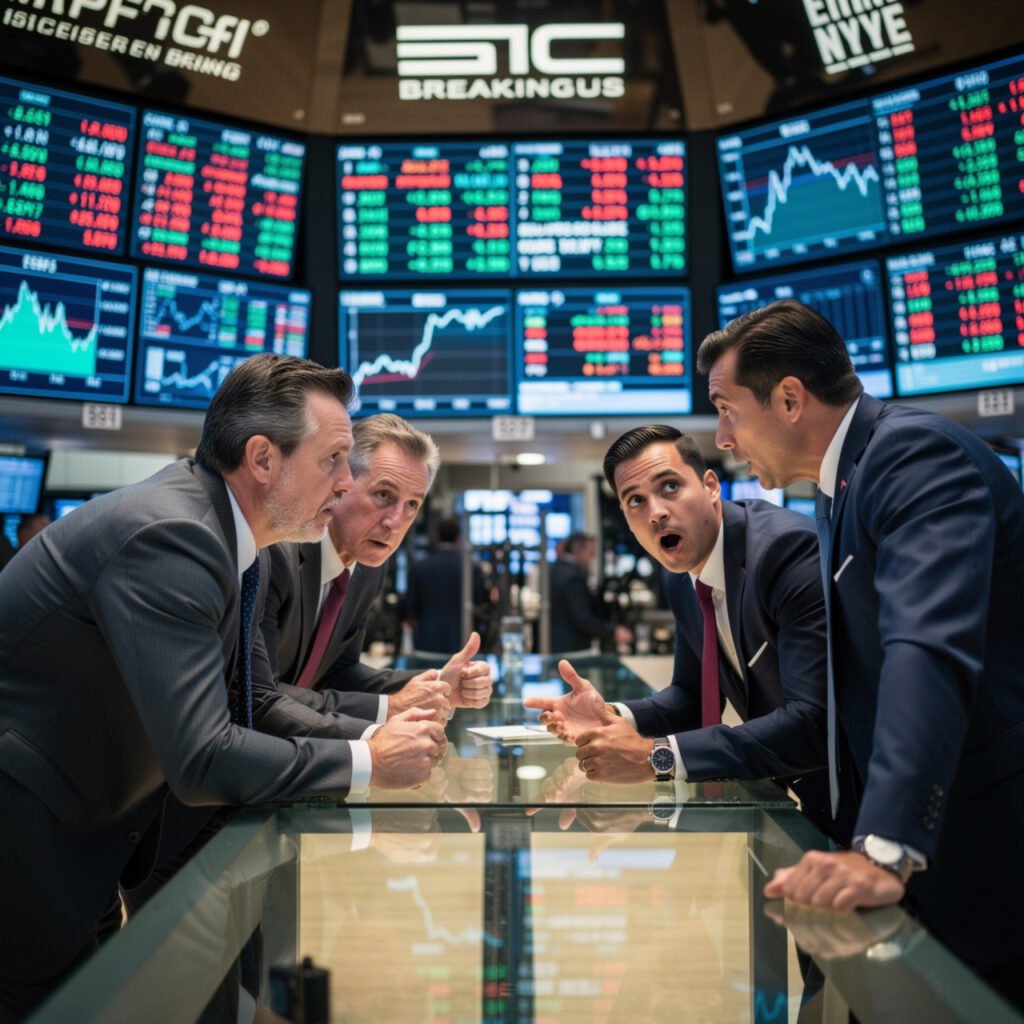
The timing of Kevin Warsh Confirmed 2026 is especially important because many American businesses and households are still dealing with economic uncertainty. Higher borrowing costs have already slowed parts of the housing market, while consumers continue facing elevated prices in areas such as food, energy, and insurance.
Business leaders are now hoping the Federal Reserve can guide the economy toward stability without triggering a deeper slowdown. Whether Warsh supports maintaining higher interest rates or eventually shifting toward economic stimulus could significantly shape market sentiment over the next several quarters.
The bitter Senate confirmation process also revealed how politically divided economic policy has become in Washington. Debates over inflation, government spending, banking regulation, and Federal Reserve independence are now closely tied to broader political battles between Republicans and Democrats.
As a result, Kevin Warsh’s role may extend beyond monetary policy alone. His decisions and public messaging could quickly become part of larger national debates surrounding economic leadership, financial stability, and the direction of America’s economy during a highly polarized political period.
International banks, investment firms, and central banks are also carefully analyzing the implications of Kevin Warsh Confirmed 2026. Because Federal Reserve decisions influence global capital flows and currency markets, any shift in U.S. monetary policy can quickly affect economies worldwide.
Emerging markets are particularly sensitive to American interest rate policy because higher U.S. rates can strengthen the dollar and increase borrowing pressure internationally. Analysts believe global financial institutions will now closely monitor Warsh’s early statements and policy signals to better understand how the Federal Reserve may respond to future inflation trends and economic slowdown risks.
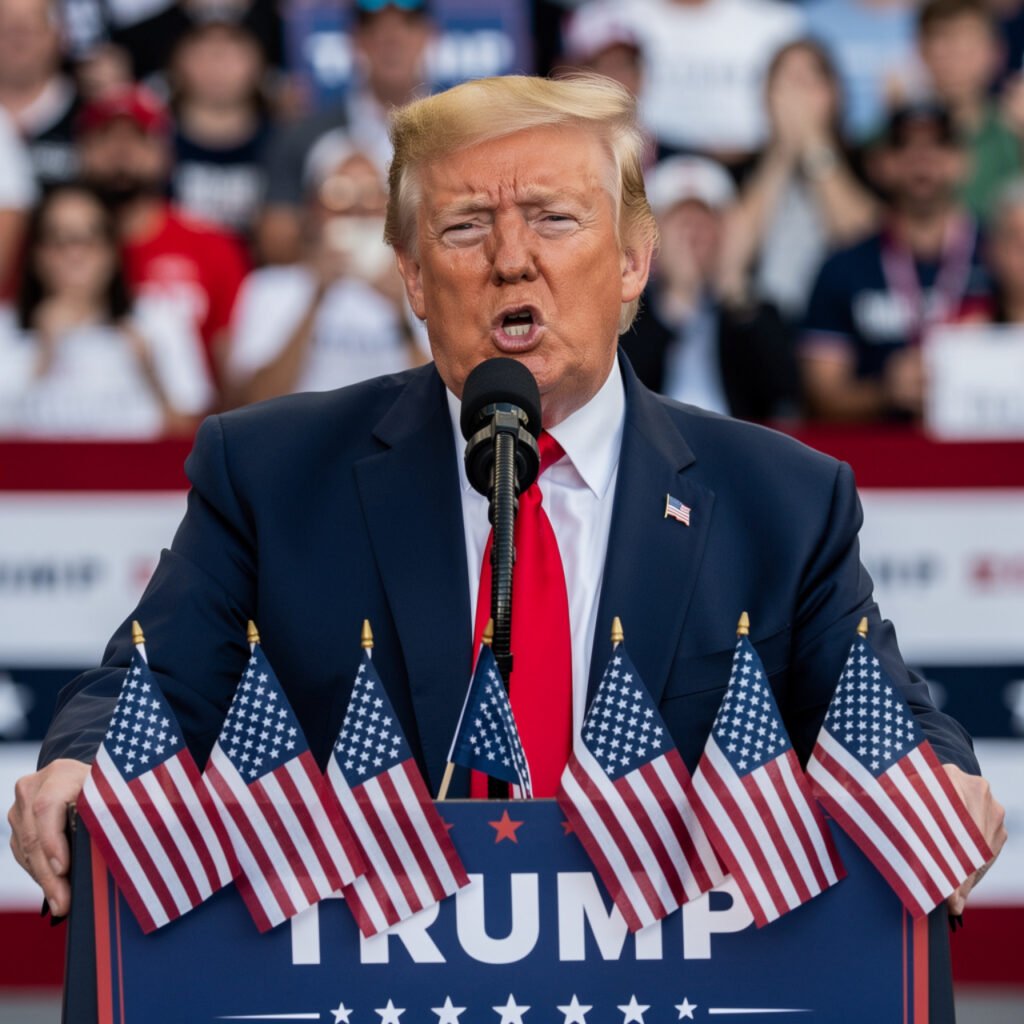
The confirmation of Kevin Warsh is a pivotal moment for both American politics and the global financial landscape. The increasing focus on Kevin Warsh’s confirmation in 2026 highlights wider worries about inflation, interest rates, the independence of the Federal Reserve, and the future trajectory of the U.S. economy under Donald Trump’s administration. Supporters view Warsh as a seasoned financial strategist who can steer monetary policy through turbulent times, while critics express concerns about the political pressures that may influence the Federal Reserve. As markets continue to scrutinize his upcoming decisions, Warsh’s leadership could emerge as one of the key economic narratives shaping America’s financial future in the coming years.