playstation plus june 2026 games
Thursday, May 20, 2026 Trusted by millions worldwide Back to News Tech PlayStation Plus Subscribers Are About to Lose Another...
Read More → Thursday, May 14, 2026
Trusted by millions worldwide
By mavia fazal
Thucydides Trap US China 2026 The term “Thucydides Trap” has recently taken center stage in global discussions, especially after Chinese President Xi Jinping brought it up during high-level talks with U.S. President Donald Trump in Beijing. This summit, already considered one of the year’s most crucial diplomatic events, gained even more weight when Xi mentioned this historical theory, which often illustrates the risks of conflict between a rising power and an established one. His comment quickly caught the world’s attention, as it underscored the growing worries about whether the escalating rivalry between the United States and China might eventually shake up global politics, trade, and security. With tensions rising over Taiwan, technology, trade, and military influence, this summit has come to symbolize a much larger geopolitical dilemma: can the two largest powers in the world compete without heading toward direct confrontation?
Thucydides Trap US China 2026 The term “Thucydides Trap” comes from the insights of the ancient Greek historian Thucydides, who examined the Peloponnesian War between Athens and Sparta. In today’s world of geopolitics, this concept highlights the idea that when a rising power starts to challenge an established dominant power, the resulting fear and competition can heighten the chances of conflict. In the last ten years, political analysts have often referenced this phrase when discussing the dynamics between China and the United States. China’s swift economic growth, military advancements, and increasing global presence have posed a significant challenge to America’s long-held supremacy in various fields, such as trade, technology, and international diplomacy. By bringing up this phrase at the summit, Xi Jinping seemed to express concern about how perilous unchecked rivalry could become if tensions keep rising.
The summit between Xi Jinping and Donald Trump comes during a period of growing uncertainty in international politics.Financial markets, global businesses, and international allies are all closely monitoring the relationship because both countries play central roles in the global economy.That is why the summit is being viewed not just as a bilateral meeting, but as a major event with worldwide implications
One of the most sensitive issues discussed during the summit is believed to be Taiwan.
China continues to view Taiwan as part of its territory and strongly opposes foreign political or military support for the island. The United States officially follows the “One China” policy while maintaining strategic cooperation and arms support for Taiwan.
This balancing act has become increasingly fragile.
Chinese military exercises near Taiwan have intensified in recent years, while the United States has expanded security coordination with regional allies in the Indo-Pacific.
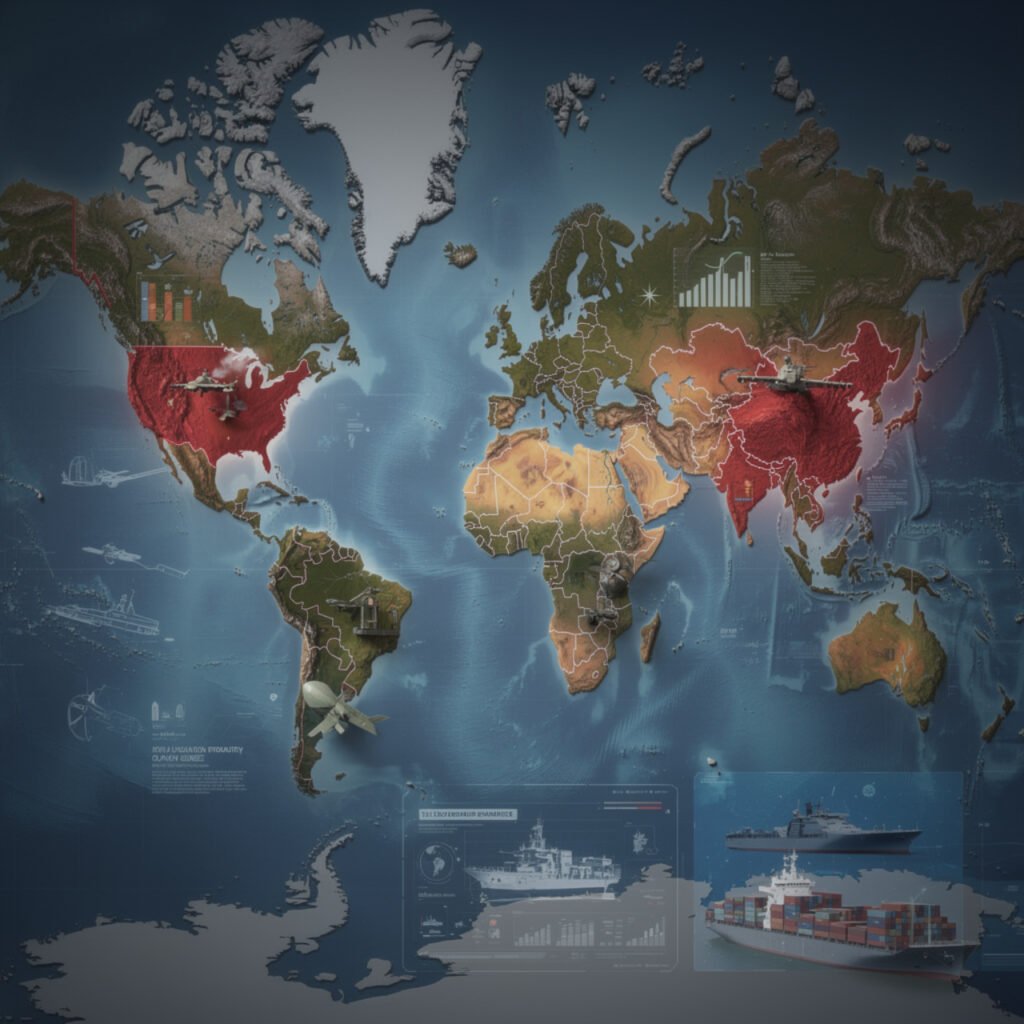
The rivalry between the United States and China is no longer limited to military or diplomatic influence. Economic competition has become equally important.
The Trump administration has continued emphasizing:
China, meanwhile, is accelerating efforts to strengthen its own domestic technology sector while expanding global trade relationships through infrastructure and investment initiatives.
This competition is reshaping global business strategy.
Companies worldwide are increasingly forced to navigate a divided economic landscape where political tensions directly affect manufacturing, investment, and technology access.
Even global financial markets now react quickly to diplomatic developments between Washington and Beijing.
Artificial intelligence and advanced technology have emerged as critical areas of strategic competition.
The United States argues that restricting sensitive technologies protects national security interests, while China views many restrictions as attempts to slow its economic and technological rise.
Experts say this technological rivalry adds another layer of complexity to the Thucydides Trap US China 2026 debate because future global influence may increasingly depend on innovation leadership rather than military power alone.
Investors are watching the summit closely for signs of reduced tensions.
Markets generally favor predictability and stable trade relationships, particularly between the world’s two largest economies. Positive diplomatic language during the summit could temporarily improve investor confidence and ease concerns surrounding global growth.
However, analysts caution that deeper structural disagreements remain unresolved.
Even if the summit produces symbolic progress, competition between Washington and Beijing is expected to continue shaping global politics for years to come.
That reality means businesses and governments are increasingly preparing for a long-term era of strategic rivalry.
The central question raised by Xi Jinping’s “Thucydides Trap” comment is whether competition between the two superpowers can remain controlled.
Some geopolitical experts believe economic interdependence makes direct conflict less likely because both countries would face enormous financial consequences from instability.
Others argue that rising nationalism, military competition, and strategic distrust increase the risk of future crises.
Most analysts agree on one point: communication and diplomacy remain essential.
Maintaining open dialogue helps reduce misunderstanding, especially during periods of heightened geopolitical tension.
The summit therefore represents more than symbolic diplomacy it is part of a broader effort to manage competition without allowing it to spiral into confrontation.
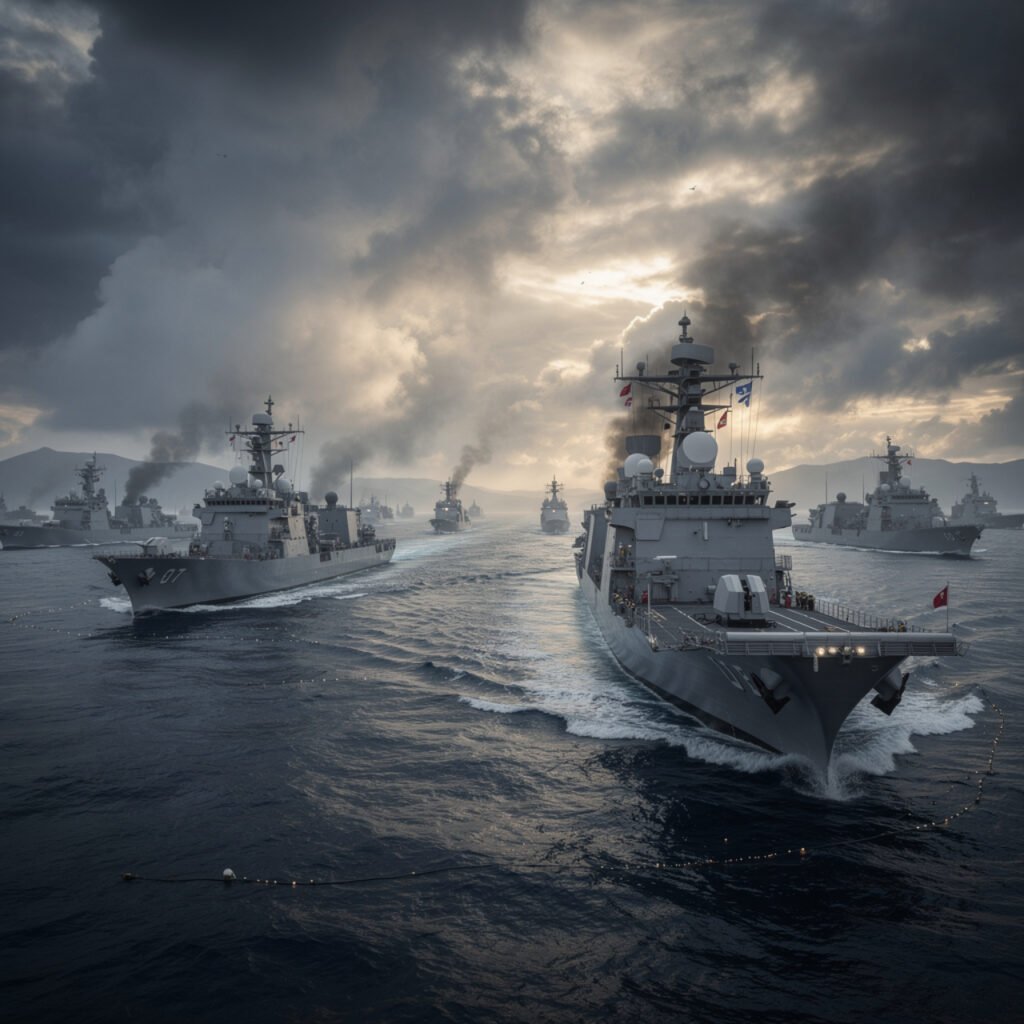
The increasing attention on the Thucydides Trap in relation to the US-China dynamics by 2026 shows a growing global concern about how Washington and Beijing will interact in the future. During the summit with Donald Trump, Xi Jinping’s comments underscored the profound awareness both governments have of the historical and strategic dangers that come with great-power rivalry. With trade tensions, military competition, issues surrounding Taiwan, and technological rivalries all escalating at once, the stakes for global stability are incredibly high. The ability of these two nations to navigate their competition without sparking a more serious confrontation could very well become one of the key geopolitical challenges of our time.