
playstation plus june 2026 games
Thursday, May 20, 2026 Trusted by millions worldwide Back to News Tech PlayStation Plus Subscribers Are About to Lose Another...
Read More → Friday, February 21, 2026
Trusted by millions worldwide
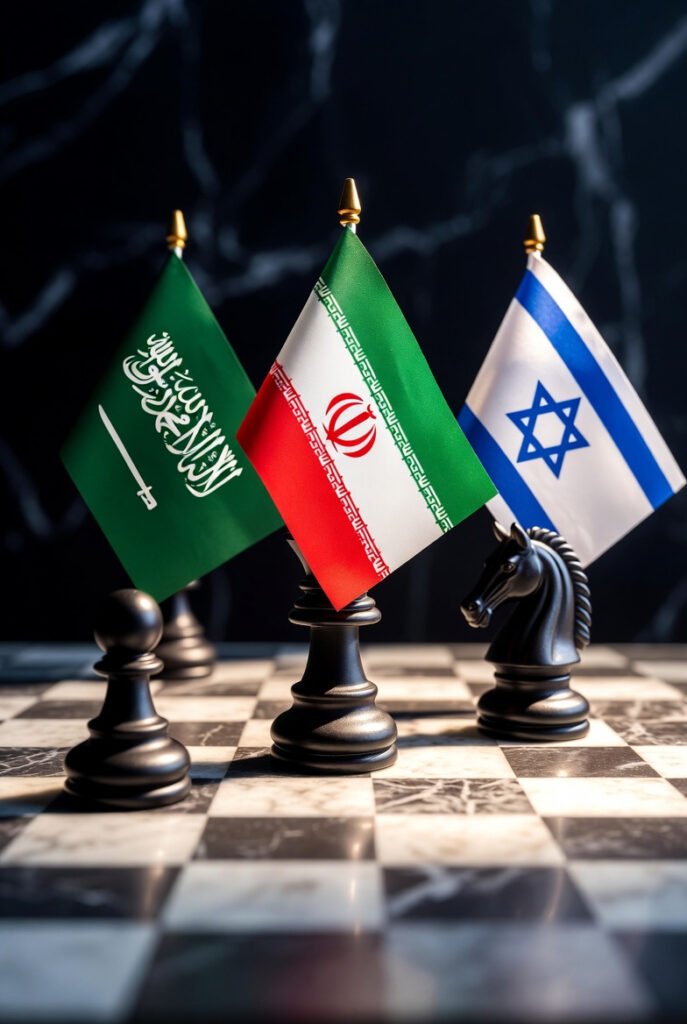
The defining watershed of 2026 is the psychological and tactical aftermath of the “Twelve-Day War” (June 13–24, 2025). This conflict, which saw the first direct, large-scale missile exchanges between the Israeli Defense Forces (IDF) and the Islamic Revolutionary Guard Corps (IRGC), shattered the long-standing “shadow war” taboo.
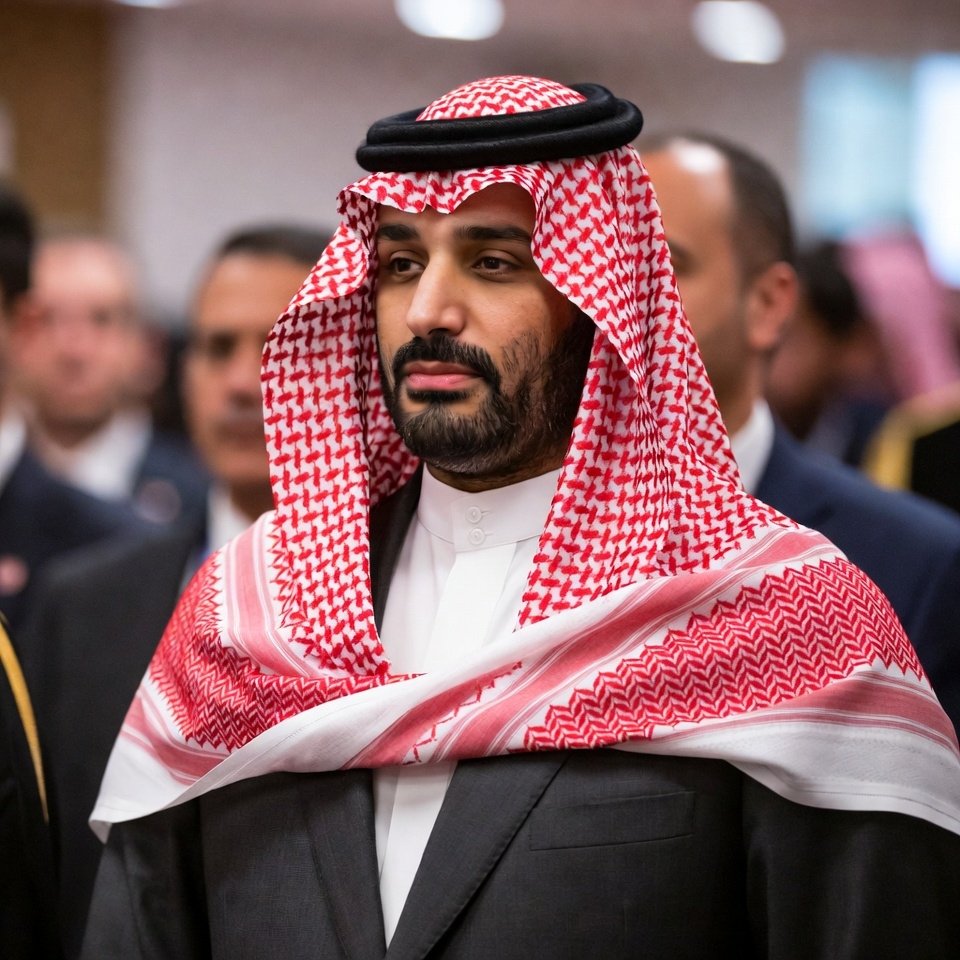
For Crown Prince Mohammed bin Salman (MBS), the year 2026 marks the “decisive home stretch” for Vision 2030. The Saudi national security strategy has effectively been subsumed by the Ministry of Finance.
On December 2, 2025, Saudi Arabia approved its 2026 State Budget, setting total expenditure at a record SR 1.313 trillion (approximately US$ 349.5 billion).
Riyadh’s détente with Tehran is not a “peace of the heart.” It is a tactical mute button. By maintaining a diplomatic channel, Saudi Arabia ensures its 2.9 million ton annual green hydrogen target remains unmolested by Houthi or IRGC proxies. Saudi Arabia is now a “Swing State,” hosting U.S. missile defense while securing rail connectivity with the BRICS+ network. Israel Middle East strategy
Tehran enters 2026 in a state of Tactical Hibernation. Gulf regional security dynamics.Facing internal pressure and external military degradation from the 2025 war, the regime has pivoted to Transit Deterrence.
According to News Central Asia (nCa) data from January 2026, transit cargo through Iran reached a record 22.5 million tons in the previous year. The International North-South Transport Corridor (INSTC) is Iran’s “Economic Human Shield.”
The Statistical Center of Iran (SCI) confirms that year-on-year inflation remains trapped between 55% and 60% in February 2026. The regime knows that another kinetic escalation with Israel would trigger a “Social Collapse Event.” Therefore, they are prioritizing the “Rasht-Astara” rail link over proxy expansion in the Levant.
U.S. strategy focuses on: – Protecting shipping routes like the Strait of Hormuz – Preventing hostile control over energy corridors – Supporting allied energy producers – Deterring attacks on critical infrastructure Energy security isn’t just about supply—it’s about leverage. Iran Saudi Israel Relations 2026
Israel’s regional integration has moved from the “Diplomatic Layer” to the “Physical Layer.” In 2026, the India-Middle East-Europe Economic Corridor (IMEC) is the invisible thread holding the region together.
On February 18, 2026, Adani Ports & SEZ signed a landmark MoU with the Port of Marseille Fos. This partnership creates an “IMEC Ports Club,” essentially completing the final leg of the trade spine from Mumbai to Europe.
Operational Reality: Even without a formal treaty in Riyadh, Saudi-origin goods are already moving across Jordan to the Port of Haifa via “Grey Logistics” channels.
2. Desalination Diplomacy:
The Atlantic Council (Feb 2026) highlights that Israel produces 85% of its domestic water supply through desalination.
The Leverage: With half of MENA countries below the 500m³ per person threshold for absolute water scarcity, Israel’s water-for-energy swaps with Jordan and potential “silent exports” to the Gulf are the new currency of regional peace. If you control the water, you control the stability of your neighbors.
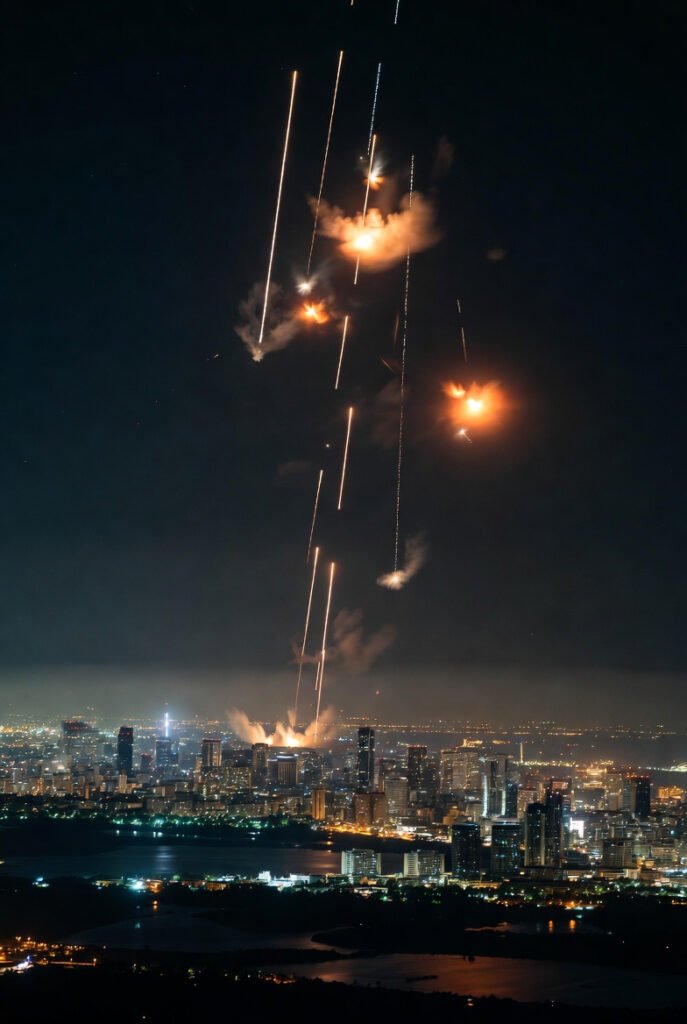
The Middle East is no longer a battlefield for land; it is a competition between two transcontinental arteries.
| Feature | IMEC (India-ME-Europe) | INSTC (North-South) |
|---|---|---|
| Primary Hubs | Mumbai, Dubai, Haifa, Marseille | St. Petersburg, Tehran, Mumbai |
| Geopolitical Backer | United States / EU / G7 | Russia / Iran / India |
| 2026 Status | Entering Decisive Phase (Rail gaps) | Fully Operational Eastern Route |
| Strategic Goal | Western Market Access | Bypassing Sanctions / Suez |
The 2026 “Armed Peace” is highly efficient but critically fragile. Analysts monitor three primary “Break Points”:
The 2026 Middle East is a masterpiece of cynical, calculated realism. It is a region where the Return on Investment (ROI) of Peace currently outweighs the pride of regional dominance. As long as the rail lines move, the stock markets hold, and the water flows, the ledger will remain stronger than the sword.
This is not a peace of the heart; it is a Peace of the Ledger. Iran Saudi Israel Relations 2026