
playstation plus june 2026 games
Thursday, May 20, 2026 Trusted by millions worldwide Back to News Tech PlayStation Plus Subscribers Are About to Lose Another...
Read More → Wednesday, May 6, 2026
Trusted by millions worldwide
Energy markets in 2026 are being influenced by a mix of geopolitical tensions, production worries, and surprisingly strong global demand. Analysts suggest that the recent price surge highlights a delicate balance between limited supply flexibility and rising consumption in industrial economies. As oil prices keep climbing, the impact is starting to ripple beyond just commodity markets, affecting transportation, manufacturing, consumer spending, and discussions on financial policy around the globe.
The recent spike in global crude oil prices has thrown the phrase “Oil Prices Surge 2026” into the spotlight of economic and political conversations around the globe. Governments, investors, and consumers are all reacting to the rising instability in the energy sector. After months of ups and downs in the market, oil prices are climbing again, sparking concerns about inflation, potential supply disruptions, and broader economic pressures in both developed and emerging markets. In 2026, energy markets are being influenced by a mix of geopolitical tensions, worries about production, and surprisingly strong global demand. Analysts suggest that this latest price surge highlights a delicate balance between limited supply options and increasing consumption in industrialized economies. As oil prices keep rising, the impact is starting to ripple beyond just commodity markets, affecting transportation, manufacturing, consumer spending, and discussions around financial policies worldwide.
One of the primary drivers behind the Oil Prices Surge 2026 is growing concern over global supply stability.
Several oil-producing regions are facing political uncertainty, infrastructure limitations, or logistical disruptions that have reduced confidence in future supply levels. Even minor interruptions in major production areas can trigger sharp reactions in energy markets because global spare capacity remains relatively limited.
At the same time, some major oil-exporting countries continue maintaining disciplined production strategies designed to support market stability and protect long-term revenues. While this approach has helped avoid oversupply, it has also contributed to tighter market conditions during periods of strong demand.
The result is an energy environment where supply risks are amplified and price volatility increases rapidly whenever uncertainty emerges.
Despite concerns about slower economic growth in some regions, global oil demand has remained stronger than many analysts initially expected.
Industrial activity, transportation demand, aviation recovery, and expanding energy consumption in developing economies have all contributed to sustained pressure on crude markets.
In parts of Asia and the Middle East, economic expansion and population growth continue driving long-term energy demand upward. Seasonal travel activity has also added further strain to already tight fuel markets.

Geopolitical instability remains one of the most powerful forces influencing oil markets in 2026.
Conflicts affecting shipping routes, sanctions on energy exports, and diplomatic tensions between major global powers have increased uncertainty across commodity trading platforms. Traders are closely monitoring strategic regions where disruptions could impact global transportation of crude oil and refined products.
Energy markets historically react strongly to geopolitical developments because oil remains deeply connected to global trade and industrial production. Even the perception of future disruption can trigger speculative buying activity that pushes prices higher.
Analysts warn that prolonged instability in key regions could sustain elevated oil prices for an extended period if alternative supply routes fail to compensate for disruptions.
As oil prices rise, inflation concerns are once again returning to the forefront of economic discussions.
Higher energy costs affect nearly every major sector of the economy. Transportation, manufacturing, shipping, agriculture, and consumer goods all become more expensive when fuel prices climb significantly.
Businesses facing higher operating costs often pass those expenses onto consumers through increased prices for products and services. This can reduce purchasing power and place additional financial strain on households already dealing with elevated living expenses.
Central banks are also watching energy markets closely because prolonged oil inflation can complicate monetary policy decisions. Policymakers attempting to control inflation through interest rate strategies may face additional pressure if energy prices continue surging.
The Oil Prices Surge 2026 scenario has therefore become a major concern not only for energy traders but also for global economic planners.
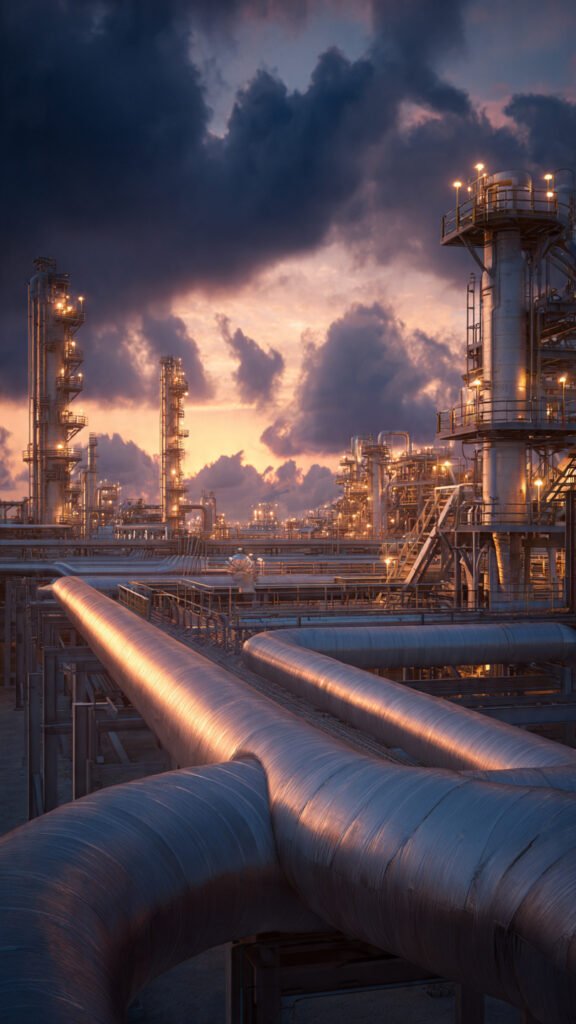
Global financial markets have become increasingly sensitive to energy-related developments in 2026.
Commodity investors and hedge funds are actively responding to price volatility in crude futures markets, while broader equity markets are reacting to fears of rising inflation and slower economic growth.
Energy sector companies have generally benefited from stronger oil prices, attracting renewed investor interest. However, industries heavily dependent on transportation and fuel consumption are facing increased uncertainty as operating expenses rise.
Airlines, shipping companies, and manufacturing firms are among the sectors most exposed to prolonged energy price volatility.
Financial analysts believe continued instability in oil markets could influence investment strategies across multiple industries throughout the remainder of the year.
For consumers, the effects of rising oil prices are becoming increasingly visible in daily life.
Gasoline and diesel prices have moved higher in several countries, increasing transportation expenses for households and businesses alike. Higher fuel costs also contribute to rising shipping fees, which can influence food prices, retail distribution, and online delivery services.
In many economies, energy inflation tends to affect lower-income households more severely because fuel and transportation costs represent a larger portion of monthly spending.
The growing impact on consumers has intensified political pressure on governments to address affordability concerns and stabilize energy markets where possible.
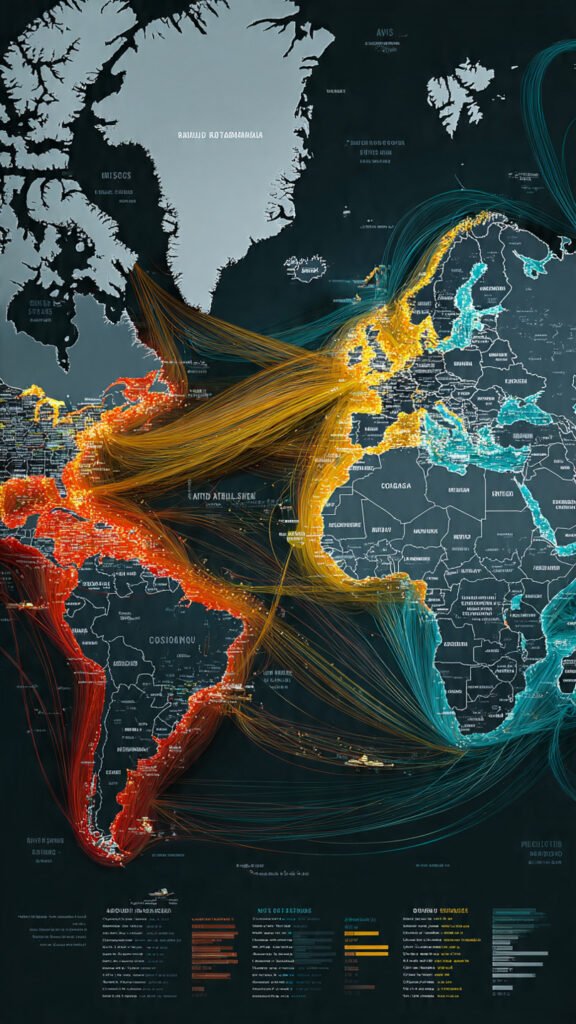
Companies from various sectors are starting to realize that high oil prices might stick around longer than they initially thought. To tackle this, some businesses are ramping up their investments in fuel-efficient technologies and fine-tuning their supply chain strategies to shield themselves from the unpredictable energy market. Meanwhile, others are looking into integrating renewable energy as part of their long-term plans. Logistics and transportation companies are especially keen on keeping an eye on fuel costs since these expenses have a direct impact on their profits and pricing strategies. Economists suggest that the Oil Prices Surge in 2026 could speed up significant changes in how businesses manage their energy use and build resilience for the future.
Companies from various sectors are starting to realize that high oil prices might stick around longer than they initially thought. To tackle this, some businesses are ramping up their investments in fuel-efficient technologies and fine-tuning their supply chain strategies to shield themselves from the unpredictable energy market. Meanwhile, others are looking into integrating renewable energy as part of their long-term plans. Logistics and transportation companies are especially keen on keeping an eye on fuel costs since these expenses have a direct impact on their profits and pricing strategies. Economists suggest that the Oil Prices Surge in 2026 could speed up significant changes in how businesses manage their energy use and build resilience for the future.