
playstation plus june 2026 games
Thursday, May 20, 2026 Trusted by millions worldwide Back to News Tech PlayStation Plus Subscribers Are About to Lose Another...
Read More → Tuesday, May 5, 2026
Trusted by millions worldwide
Political analysts are noticing that the cost-of-living crisis is starting to shape voter behavior more than many of the usual ideological debates. As economic pressures ripple through urban, suburban, and regional areas, political parties are feeling the heat to come up with real solutions that can help restore financial confidence for households. The discussion around the political impact of Australia’s cost of living crisis in 2026 is more than just an economic issue it’s become one of the most pressing political and social challenges facing the country.
The increasing focus on the political impact of Australia’s cost of living crisis in 2026 highlights the growing economic pressures faced by households and the crucial role that affordability issues are playing in the nation’s political scene. With living costs on the rise, challenges in housing affordability, soaring energy prices, and inflation, these topics have become central to public discussions as Australia approaches significant political decisions. In recent years, Australians have been feeling the pinch as everyday expenses have surged, outpacing many household incomes. The rising costs of rent, mortgage payments, groceries, transportation, and utility bills have sparked public frustration and ignited wider conversations about economic management and government priorities. Political analysts suggest that the cost-of-living crisis is now affecting voter behavior more directly than many traditional ideological debates. As economic stress permeates urban, suburban, and regional areas, political parties are increasingly pressured to offer credible solutions that can help restore financial confidence among households. Thus, the discussion around the political impact of Australia’s cost of living crisis in 2026 is more than just an economic issue it has evolved into one of the country’s most pressing political and social challenges.
For many Australians, the rising cost of daily life has become increasingly difficult to manage.
Housing costs remain one of the biggest concerns. Property prices and rental markets in several major cities have continued placing heavy pressure on younger families, first-time buyers, and lower-income households struggling to secure affordable accommodation.
Although inflation rates have fluctuated over time, many households continue feeling financial pressure even when broader economic indicators show signs of stabilization.
The Australia cost of living crisis political impact 2026 debate reflects growing concern that long-term affordability challenges could reshape economic confidence and political priorities nationwide.
Housing has become one of the most politically sensitive topics in Australia.
In major metropolitan regions such as Sydney and Melbourne, property affordability concerns have intensified due to high demand, limited supply, and rising borrowing costs.
Younger Australians in particular increasingly express concern about home ownership accessibility and long-term financial security.

Inflation and interest rate policy remain deeply connected to public concerns about economic stability.
Higher interest rates have increased mortgage repayments for many homeowners while also affecting business borrowing and consumer spending patterns. Although central banks use rate adjustments to control inflation, the short-term impact on households can create significant political pressure.
The Australia cost of living crisis political impact 2026 reflects how economic management is becoming one of the most important issues shaping public trust in political leadership.
Analysts note that affordability concerns often influence voter sentiment more directly than abstract economic statistics.
Australia’s political environment is becoming increasingly focused on practical economic outcomes rather than symbolic political debates alone.
Both major parties are under pressure to present realistic policy responses capable of addressing affordability concerns without destabilizing broader economic conditions.
However, economists caution that solving affordability problems may require long-term structural reforms rather than short-term political promises alone.
The Australia cost of living crisis political impact 2026 therefore represents a difficult balancing act between economic stability, political expectations, and public frustration.
Younger Australians are emerging as an increasingly important political demographic during the affordability debate.
Rising housing costs, student debt concerns, employment insecurity, and wage pressure have shaped economic perspectives among younger generations differently from older voters who entered housing markets under more affordable conditions.
Digital communication and social media have also amplified public discussion surrounding inequality, financial pressure, and intergenerational economic opportunity.
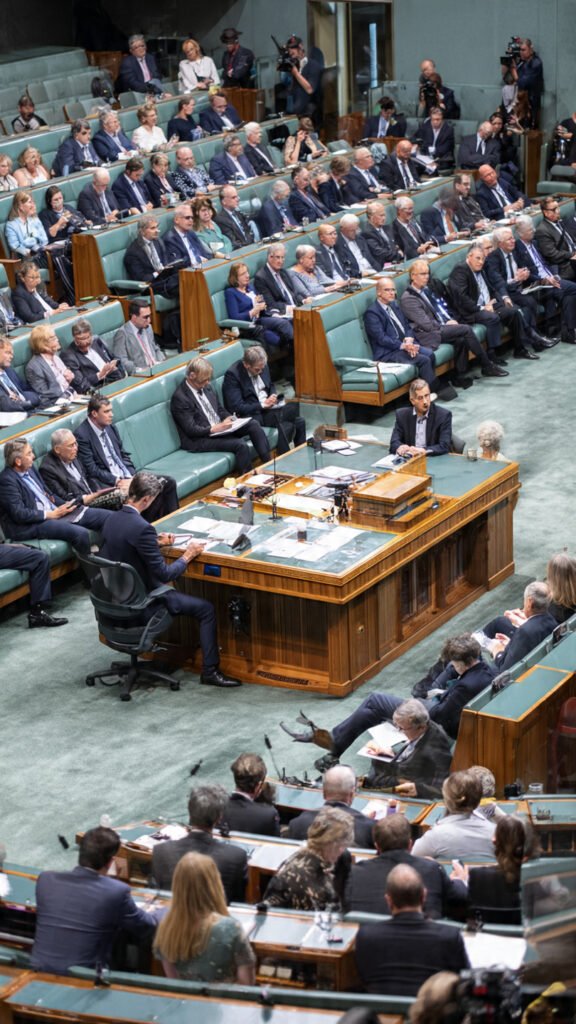
Energy pricing has become another major factor contributing to cost-of-living anxiety.
Rising electricity and fuel costs affect not only households directly but also businesses facing higher operational expenses that can eventually influence consumer prices across the economy.
Political leaders continue facing pressure to balance environmental objectives with immediate household financial concerns.
The Australia cost of living crisis political impact 2026 highlights how energy policy has become deeply intertwined with economic and electoral politics.
While affordability issues affect much of the country, regional communities often experience different economic pressures compared to major urban centers.
In some areas, labor shortages, infrastructure limitations, transportation costs, and access to services create unique financial challenges for residents and businesses.
Agricultural conditions, export markets, and commodity prices also influence regional economic stability in ways that differ from city-based economies.
Political analysts say successful national economic strategies may require more targeted approaches capable of addressing diverse regional conditions rather than relying solely on broad national policy measures.
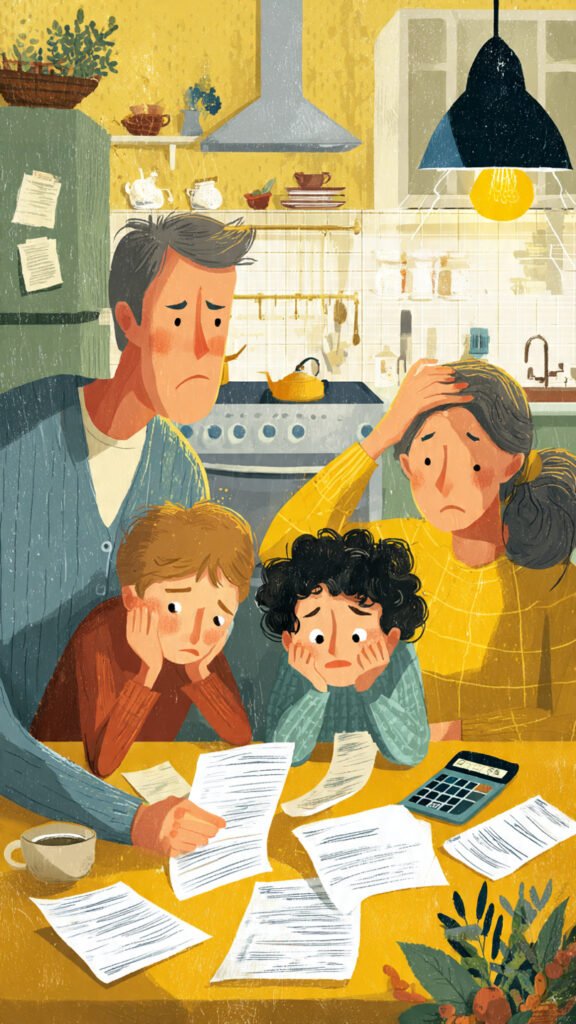
Economic conditions play a major role in shaping public trust in political institutions.
When households experience prolonged financial pressure, frustration can increase toward governments, corporations, and broader economic systems perceived as failing to deliver stability or opportunity.
The Australia cost of living crisis political impact 2026 discussion therefore extends beyond economics into broader questions involving political accountability, social trust, and national economic direction.
Analysts warn that sustained affordability pressure can influence long-term political realignment if voters increasingly prioritize economic security above traditional party loyalty.
The increasing focus on the cost of living crisis in Australia and its political implications for 2026 highlights just how much economic pressures are shaping national discussions and public feelings. Issues like housing affordability, rising inflation, soaring energy costs, and financial insecurity have become top priorities for households all over the country. As political leaders scramble for solutions, voters are calling for practical economic strategies that can genuinely enhance their day-to-day financial stability. Australia’s political landscape is grappling with the tough task of balancing inflation control, fostering economic growth, reforming housing, and ensuring long-term affordability, all while navigating an unpredictable global economic climate. How the government tackles these challenges could not only determine the outcome of future elections but also impact the public’s overall confidence in the nation’s economic trajectory for years to come. With affordability issues continuing to dominate political discussions, the cost-of-living crisis is set to remain a key national concern for Australia throughout 2026 and beyond.