
playstation plus june 2026 games
Thursday, May 20, 2026 Trusted by millions worldwide Back to News Tech PlayStation Plus Subscribers Are About to Lose Another...
Read More → Tuesday, May 5, 2026
Trusted by millions worldwide
By Mavia Fazal
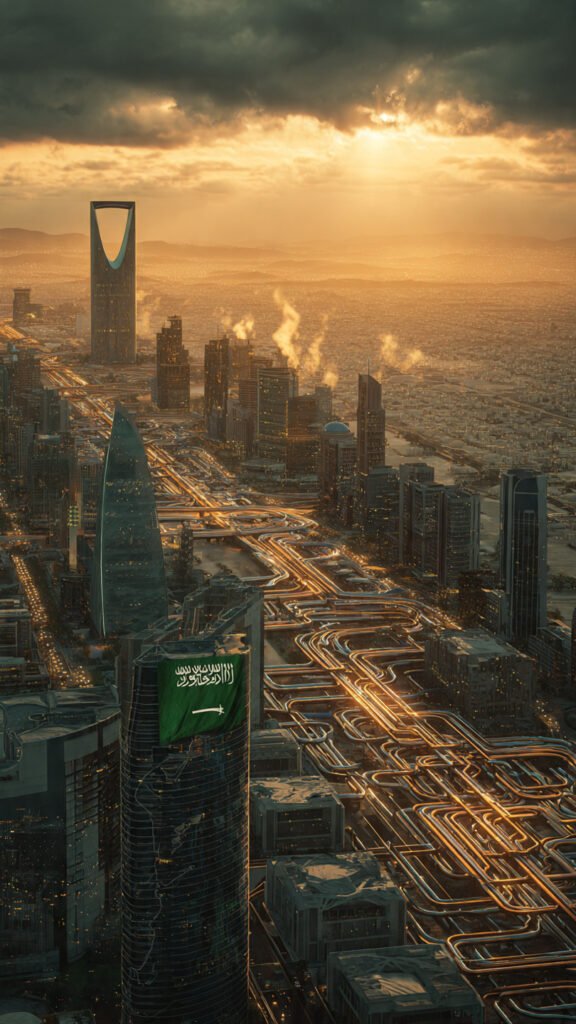
audi Arabia has been on a mission to reshape its economy and foreign policy in recent years. The goal? To lessen its reliance on oil revenue and boost investments in areas like technology, tourism, infrastructure, and global partnerships. This shift is part of a larger vision that reaches across the Middle East, Africa, and Asia.
The evolving power strategy of Saudi Arabia in the Middle East for 2026 marks a notable shift in regional geopolitics. The kingdom is actively broadening its economic, diplomatic, and strategic influence not just within the Middle East, but also beyond its borders. With ongoing reforms tied to long-term national transformation plans and a growing presence on the global stage, Saudi Arabia is positioning itself as a key power broker in an ever-changing international landscape. In recent years, Saudi Arabia has been diligently reshaping its domestic economy and foreign policy. The goal? To lessen its reliance on oil revenue while boosting investments in technology, tourism, infrastructure, and global partnerships. This transformation is closely tied to the kingdom’s wider regional ambitions that reach across the Middle East, Africa, and Asia. By 2026, Saudi Arabia’s strategic direction is increasingly characterized by a blend of economic diversification, diplomatic outreach, and influence in energy markets. Analysts suggest that this multi-faceted approach is solidifying the kingdom’s status as one of the most significant players in contemporary Middle Eastern geopolitics
A central pillar of Saudi Arabia’s evolving power strategy is its continued push toward economic diversification.
Historically reliant on oil revenues, the kingdom has invested heavily in non-oil sectors including tourism, entertainment, logistics, renewable energy, and advanced technology. These efforts are designed to build a more resilient economy capable of adapting to global energy transitions.
Major development projects, urban transformation initiatives, and investment funds are contributing to a broader shift in national economic structure.
The Saudi Arabia Middle East power strategy 2026 reflects this long-term vision of reducing economic vulnerability while increasing global competitiveness.
Economists believe that successful diversification could significantly enhance Saudi Arabia’s global influence by strengthening its financial independence and expanding its international investment footprint.
Despite diversification efforts, energy remains a core element of Saudi Arabia’s geopolitical power.
As one of the world’s largest oil exporters, the kingdom continues to play a key role in global energy markets. Production decisions, pricing strategies, and coordination with other major producers directly influence global oil stability and economic conditions.
Saudi Arabia’s energy strategy increasingly focuses on balancing market stability with long-term transition planning, including investments in cleaner energy technologies and hydrogen development.
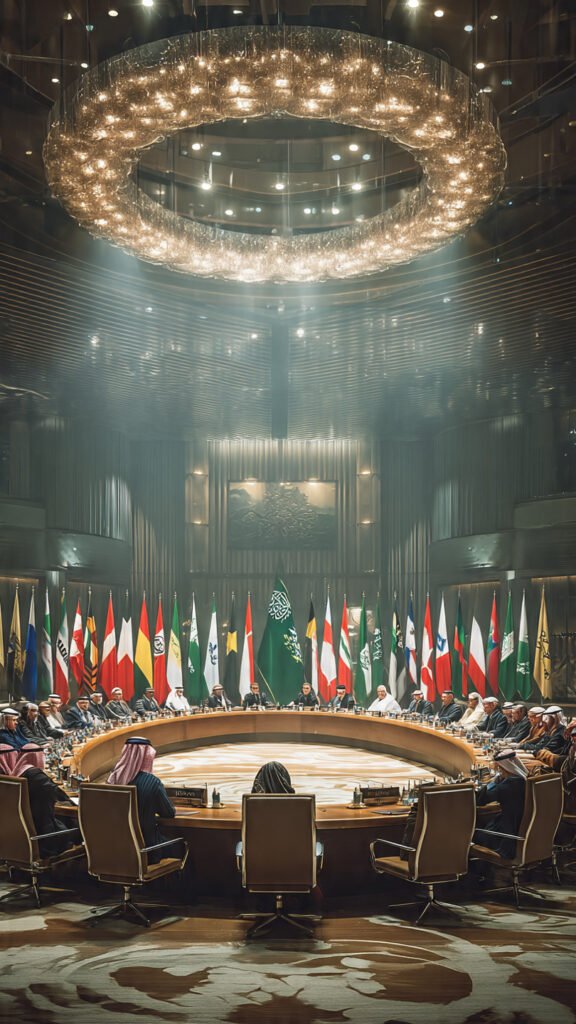
In recent years, Saudi Arabia has ramped up its diplomatic efforts throughout the Middle East. The kingdom is actively participating in regional dialogues, mediating conflicts, and forming strategic partnerships to help stabilize relationships and foster cooperation in the area. These diplomatic initiatives have focused on strengthening connections with neighboring Gulf countries, enhancing regional economic ties, and engaging in larger geopolitical conversations about security and development. The Saudi Arabia Middle East Power Strategy 2026 outlines a more proactive diplomatic approach, positioning the kingdom as a stabilizing force in a region that can often be quite complex. Observers suggest that this strategy is part of a larger effort to boost Saudi Arabia’s leadership role in influencing political and economic developments across the Middle East.
The Middle East continues to experience shifting power dynamics influenced by economic competition, security concerns, and international partnerships.
Saudi Arabia’s strategic positioning is increasingly shaped by its relationships with global powers and regional actors.
The kingdom balances partnerships with multiple international stakeholders while pursuing independent foreign policy goals aligned with national interests.
The Saudi Arabia Middle East power strategy 2026 therefore reflects a carefully managed approach to geopolitical competition, ensuring flexibility in diplomatic relations while maintaining regional influence.
Analysts suggest that this balancing strategy is key to maintaining stability and avoiding over-dependence on any single global power.
Large-scale projects are also designed to attract international companies, create high-skilled jobs, and stimulate domestic innovation ecosystems.
The Saudi Arabia Middle East power strategy 2026 reflects how technological advancement is becoming central to economic transformation and global competitiveness.

Saudi Arabia continues strengthening and diversifying its international partnerships.
The kingdom engages with major global economies across Asia, Europe, and North America while also expanding regional cooperation frameworks.
These relationships include trade agreements, energy cooperation, defense partnerships, and investment collaborations.
Analysts note that Saudi Arabia’s expanding diplomatic network allows it to maintain strategic flexibility in an increasingly multipolar world.
The Saudi Arabia Middle East power strategy 2026 demonstrates how geopolitical partnerships are being used to enhance both economic growth and international influence.
Security considerations remain a central aspect of Saudi Arabia’s regional strategy.
The kingdom continues prioritizing stability across the Middle East through diplomatic engagement, defense cooperation, and regional security initiatives.
Efforts to reduce regional tensions and promote conflict resolution are seen as essential for maintaining economic growth and long-term investment confidence.
Security stability also plays a critical role in supporting tourism expansion, infrastructure development, and foreign investment inflows.
The Saudi Arabia Middle East power strategy 2026 reflects the interconnected nature of security, economic development, and diplomatic influence.
The evolving power strategy of Saudi Arabia in the Middle East for 2026 marks a major shift in the geopolitical landscape of the region. By focusing on economic diversification, taking the lead in energy, expanding diplomatic ties, and investing in technology, Saudi Arabia is setting itself up as a key player in both regional and global matters. Despite facing challenges like regional conflicts, economic changes, and uncertainties in global markets, the kingdom’s long-term strategy shows a clear commitment to enhancing its influence and ensuring stability. As the global power dynamics continue to evolve, Saudi Arabia’s growing role indicates it will be a significant force in shaping Middle Eastern geopolitics and international economic trends well into 2026 and beyond.