
playstation plus june 2026 games
Thursday, May 20, 2026 Trusted by millions worldwide Back to News Tech PlayStation Plus Subscribers Are About to Lose Another...
Read More → Tuesday, May 5, 2026
Trusted by millions worldwide
By Mavia Fazal
Since oil is such a vital component for transportation, manufacturing, and industrial production, even minor changes in production targets can lead to significant impacts on inflation, currency stability, and global economic growth. That’s why discussions about OPEC’s oil decisions and their effects on the global market are so crucial in economic analysis. This is especially true as energy markets grapple with uncertainties stemming from geopolitical tensions and evolving demand patterns.
The ongoing conversation about OPEC’s oil decisions and their impact on the global market highlights just how interconnected global energy stability is with production strategies, pricing policies, and the collaborative choices made by key oil-producing countries. As we look ahead to 2026, global markets are still reacting strongly to shifts in output levels, supply forecasts, and geopolitical events that affect the availability of crude oil. The Organization of the Petroleum Exporting Countries, or OPEC for short, plays a pivotal role in determining global oil prices through its coordinated production decisions, which in turn shape the supply and demand dynamics in international energy markets. Since oil is a vital component for transportation, manufacturing, and industrial production, even minor tweaks in production targets can lead to significant repercussions for inflation, currency stability, and economic growth around the world. Thus, the discussion surrounding OPEC’s oil decisions and their global market impact remains one of the most crucial topics in economic analysis today, especially as energy markets continue to navigate uncertainties stemming from geopolitical tensions and evolving demand patterns.
One of the most immediate effects of OPEC decisions is their impact on global crude oil pricing.
When OPEC member countries agree to reduce production levels, global supply tightens, often leading to higher oil prices. Conversely, increased output can place downward pressure on prices by expanding supply availability in international markets.
These decisions are typically based on:
The OPEC oil decisions global market impact analysis shows how sensitive global markets are to even minor changes in production strategy.
Because oil prices influence transportation costs, manufacturing expenses, and energy bills, OPEC’s decisions have a direct effect on both developed and emerging economies.

Oil price fluctuations often have immediate consequences for national economies.
When oil prices rise, countries that rely heavily on imports may experience increased inflationary pressure. This can affect consumer prices for fuel, food, and transportation, ultimately reducing purchasing power.
On the other hand, oil-exporting nations may benefit from higher revenues, strengthening fiscal positions and foreign exchange reserves.
The OPEC oil decisions global market impact therefore creates a complex economic ripple effect that influences both energy-importing and energy-exporting countries differently.
Financial markets also respond quickly, with stock indices, currency values, and bond yields reacting to changes in energy price expectations.
Geopolitical developments continue to play a significant role in shaping oil market stability.
Conflicts, sanctions, trade restrictions, and diplomatic tensions can all disrupt supply chains or influence production decisions among major oil-producing nations.
These uncertainties often lead investors to closely monitor OPEC announcements for signals about future supply conditions.
The OPEC oil decisions global market impact analysis highlights how energy markets remain highly sensitive to geopolitical risks, particularly in regions that play a major role in global oil production.
As a result, oil prices often react not only to actual production changes but also to expectations about future policy direction.
Global oil demand is heavily influenced by economic activity in major economies such as the United States, China, and Europe.
Industrial growth, transportation usage, and consumer demand all contribute to fluctuations in energy consumption levels.
As global economies transition toward cleaner energy sources, long-term demand forecasts are becoming more complex. However, oil continues to remain essential for global transport and industrial systems.

Oil prices remain one of the most important drivers of global inflation.
When energy prices rise, production and transportation costs increase across multiple industries. These cost pressures are often passed on to consumers in the form of higher prices for goods and services.
Central banks closely monitor oil price trends because they directly influence inflation targets and monetary policy decisions.
The OPEC oil decisions global market impact therefore extends beyond energy markets and into broader financial stability and economic planning frameworks.
Sustained price increases can lead to tighter monetary policies, while stable or lower prices may provide economic relief.
Financial markets around the world closely follow OPEC announcements and meetings for signals about future energy trends.
Traders and investors often adjust positions based on anticipated production decisions, making OPEC statements highly influential in global financial systems.
The OPEC oil decisions global market impact demonstrates how energy policy has become deeply integrated into global investment strategies.
Even rumors or unofficial statements can sometimes trigger short-term volatility in markets.
This transition introduces uncertainty into long-term production planning for oil-producing nations.
The OPEC oil decisions global market impact analysis therefore includes both current market dynamics and long-term structural shifts in global energy consumption.
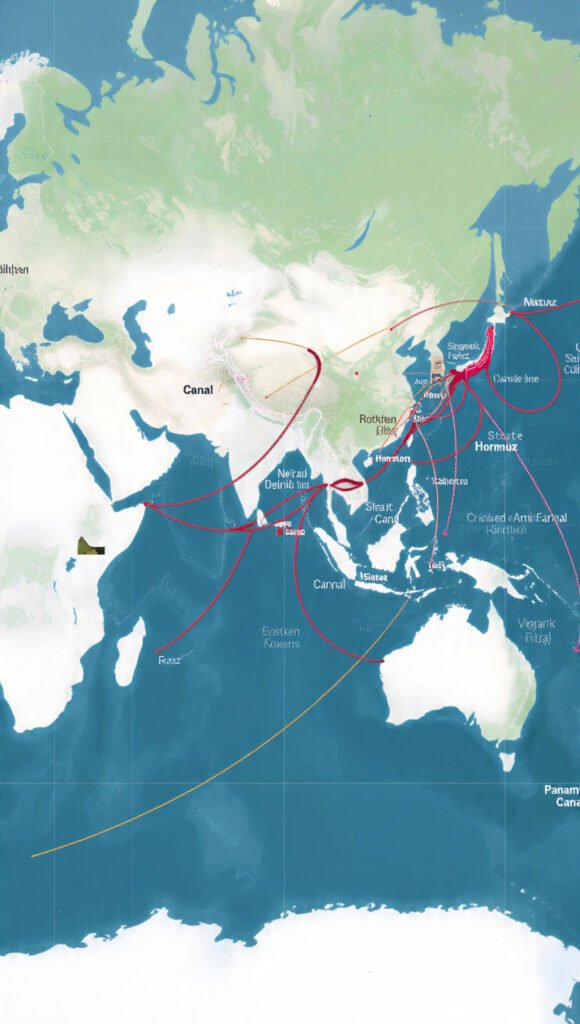
Stable oil prices are essential for maintaining predictable global supply chains.
Transportation costs for shipping, aviation, and logistics depend heavily on fuel prices. When oil markets become volatile, global trade systems often experience increased cost uncertainty.
Manufacturing industries also rely on stable energy inputs for production efficiency and pricing consistency.
The OPEC oil decisions global market impact highlights how energy stability supports broader economic stability and global trade efficiency.
The ongoing significance of OPEC’s oil decisions and their impact on the global market highlights the organization’s lasting sway over energy systems and economic conditions worldwide. As one of the most influential players in the global oil arena, OPEC’s production choices continue to shape inflation trends, financial markets, and international relations. By 2026, energy markets are still tightly woven into the fabric of global economic stability, making OPEC’s policy signals crucial for governments, investors, and industries around the globe. Even as long-term energy transitions slowly alter demand patterns, oil remains a vital engine driving the global economy. Consequently, OPEC’s role in balancing supply, ensuring market stability, and adapting to shifts in global demand will remain a pivotal factor affecting international economic conditions for many years to come.