
playstation plus june 2026 games
Thursday, May 20, 2026 Trusted by millions worldwide Back to News Tech PlayStation Plus Subscribers Are About to Lose Another...
Read More → Tuesday, May 5, 2026
Trusted by millions worldwide
By Mavia Fazal
The Reform UK has really stepped into the spotlight as one of the main winners in this changing political landscape, gaining traction in opinion polls as voters start to rethink their long-held loyalties to traditional parties. While shifts in polling numbers don’t always predict election results, they often hint at deeper changes in public sentiment and political affiliations. So, the rise of Reform UK in the polls gives us a glimpse into how voter behavior is shifting in 2026 and what that might mean for the future of electoral competition in the UK.
The recent surge of Reform UK in the polls highlights a significant change in the political scene of Britain, where voter preferences are becoming increasingly dynamic and the traditional dominance of established parties is under fresh scrutiny. Current polling trends indicate that public sentiment in the UK is shifting, influenced by economic worries, political discontent, and ongoing discussions about the direction of national policy. Reform UK has stepped into the spotlight as one of the main beneficiaries of this evolving landscape, gaining traction in opinion polls as voters reconsider their long-held allegiances to traditional political parties. While fluctuations in polling numbers don’t always predict election results, they often reflect deeper shifts in public sentiment and political affiliations. Thus, the analysis of Reform UK’s rise in the polls offers valuable insights into how voter behavior is changing in 2026 and what implications this might have for future electoral contests in the UK.
One of the primary drivers behind Reform UK’s improved polling performance is growing voter dissatisfaction with mainstream political options.
Across the United Kingdom, concerns over economic pressure, immigration policy, public services, and cost-of-living challenges have contributed to frustration among segments of the electorate.
In such environments, voters often become more open to alternative political movements that position themselves as challengers to the established political order.
The Reform UK surge in polls analysis shows that this dissatisfaction is not isolated but reflects broader sentiment shifts across multiple voter demographics.
However, analysts caution that polling surges can be influenced by short-term events, media coverage, and issue-specific debates rather than long-term political realignment.
UK politics has entered a period of increased volatility, with voter intentions shifting more frequently than in previous decades.
Traditional two-party dominance has been gradually challenged by fluctuating support levels across multiple parties, especially during periods of economic uncertainty and political debate.
Polling data suggests that smaller parties can experience rapid rises in support when public attention focuses on specific national issues.

Media coverage plays a significant role in shaping public perception of political parties.
Increased visibility often leads to higher polling numbers, especially when parties are associated with high-profile national debates.
Reform UK has benefited from consistent media attention, particularly on issues such as economic policy, governance criticism, and national identity discussions.
This exposure contributes to stronger name recognition, which can temporarily influence polling performance.
The Reform UK surge in polls analysis therefore includes not only voter sentiment but also the impact of media amplification on political awareness.
British politics is undergoing gradual voter realignment, with traditional party loyalties becoming less stable over time.
Many voters are now more issue-driven rather than party-loyal, meaning their support can shift based on current political and economic conditions.
This environment creates opportunities for emerging or smaller parties to gain traction, especially when they align closely with public concerns.
However, translating polling support into actual parliamentary representation remains a major challenge due to the UK’s electoral system.
The Reform UK surge in polls analysis reflects this ongoing tension between voter sentiment and electoral structure.
For Reform UK, maintaining momentum beyond opinion polls will depend on building strong grassroots infrastructure and consistent voter engagement strategies.
The Reform UK surge in polls analysis ultimately raises the question of whether current support levels represent temporary enthusiasm or the beginning of longer-term political change.
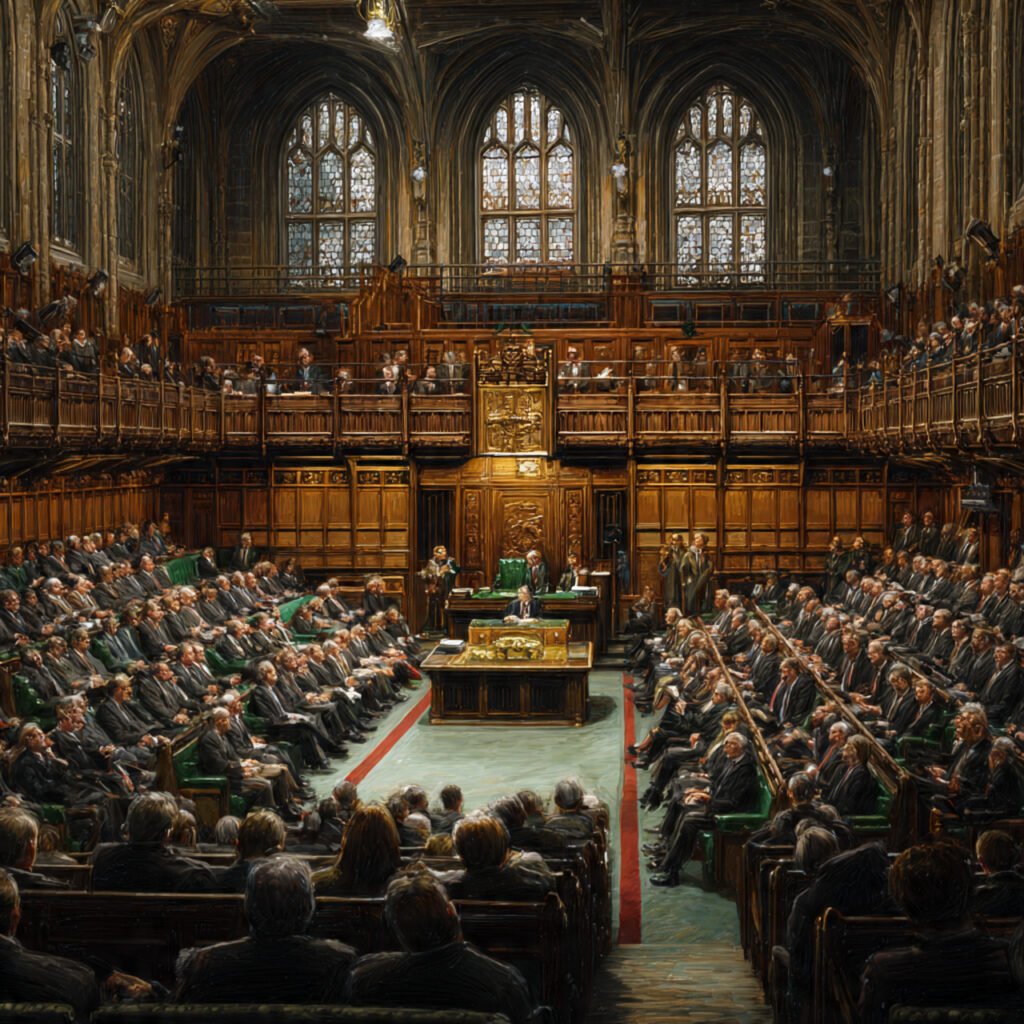
While polling increases indicate growing visibility, the UK’s first-past-the-post system presents significant challenges for smaller parties.
National vote share does not always translate into proportional parliamentary representation, particularly if support is spread across many constituencies rather than concentrated geographically.
This structural factor has historically limited the ability of third parties to convert polling success into long-term political power.
The Reform UK surge in polls analysis therefore must be viewed in the context of institutional constraints that shape electoral outcomes.
Economic conditions remain one of the strongest influences on voter behavior.
Rising living costs, housing pressure, and inflation concerns have contributed to widespread public debate about economic policy effectiveness.
When economic conditions become uncertain, voters often reassess political leadership and consider alternative options.
Reform UK’s polling rise appears closely linked to this broader economic dissatisfaction, as voters express frustration with current policy outcomes.
The Reform UK surge in polls analysis suggests that economic pressure is a key underlying factor shaping political momentum.
The Reform UK surge in polls analysis indicates that regional support patterns could play an important role in determining future electoral performance.

The recent surge of Reform UK in the polls is a clear sign of a bigger shift happening in British politics. Voter behavior is becoming more fluid and unpredictable compared to what we’ve seen in the past. While the rising numbers show that the party is gaining visibility and capturing public interest, there are still significant hurdles to overcome, like structural electoral challenges and the long-standing competition in politics that could hinder their long-term success. That said, this trend points to a political landscape that’s evolving, influenced by economic pressures, voter dissatisfaction, and changing dynamics within the parties. As we move through 2026, how Reform UK fares in opinion polls will be a key indicator of how British politics is responding to new voter expectations and the shifting priorities of the nation.