
Monday, May 4, 2026
Trusted by millions worldwide
Politics
Tamil Nadu Election Results 2026: A Political Earthquake Reshapes India’s Power Map
Tamil Nadu election results 2026 analysis As ballots were counted and results confirmed, it became clear that the implications extend far beyond the state itself.
Tamil Nadu Election Results 2026: A Political Earthquake Reshapes India’s Power Map
Tamil Nadu election results 2026 analysis The 2026 election results in Tamil Nadu have sent shockwaves across India’s political landscape, marking what many analysts describe as a “political earthquake.” The outcome is not just about who won or lost it represents a deeper shift in voter priorities, regional power, and the evolving dynamics of Indian democracy.
As ballots were counted and results confirmed, it became clear that the implications extend far beyond the state itself.
What the Results Show
Early tallies indicate a decisive outcome that strengthens the influence of regional political forces in Tamil Nadu. Parties such as Dravida Munnetra Kazhagam and All India Anna Dravida Munnetra Kazhagam once again played central roles, but the balance between them and the margin of victory has redefined expectations.
While detailed seat counts continue to be analyzed, one theme is already clear: voters have delivered a strong message about leadership, governance, and regional priorities.
Why This Election Matters Nationally
Tamil Nadu has always been politically significant, but the 2026 results carry added weight.
This is because:
- regional parties are gaining influence at the national level
- coalition politics remains central to governance in India
- state-level outcomes often shape national narratives
The result reinforces the idea that India’s political future is increasingly shaped by regional dynamics rather than a single dominant narrative.
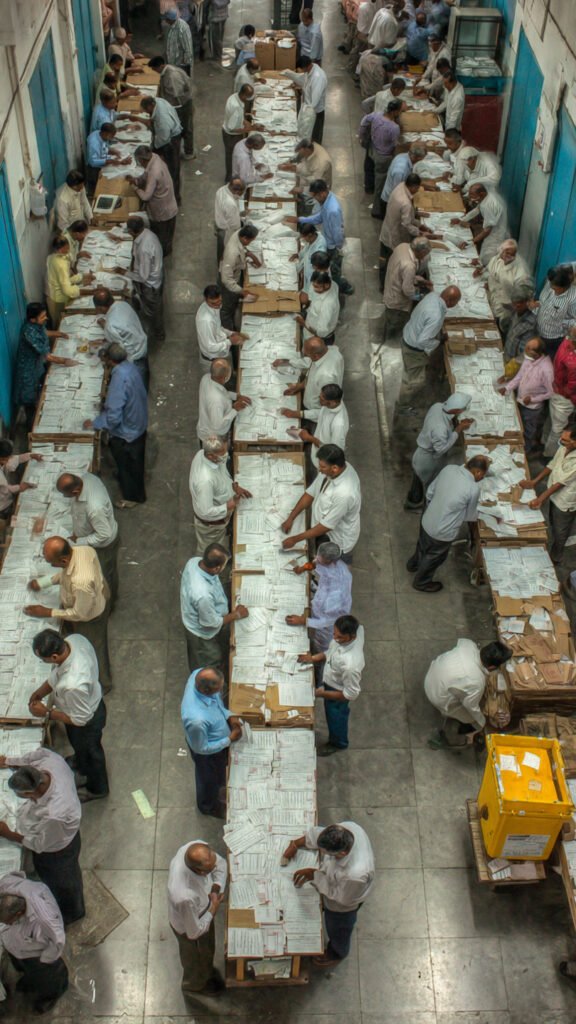
Voter Priorities Are Changing
One of the most striking aspects of the election is the shift in voter priorities.
Analysts point to several key factors:
- economic concerns, including jobs and cost of living
- demand for efficient governance and public services
- growing influence of younger voters
- focus on regional identity and cultural issues
These priorities suggest a more issue-driven electorate, rather than one solely influenced by traditional party loyalties.
The Rise of Regional Strength
The continued strength of parties like Dravida Munnetra Kazhagam highlights the enduring importance of regional identity in Indian politics.
Unlike national parties, regional groups often:
- focus on state-specific issues
- maintain closer connections with local communities
- adapt quickly to changing voter needs
This flexibility can make them more responsive and, in many cases, more effective at maintaining support.
Impact on National Power Dynamics
The results in Tamil Nadu are likely to influence broader political calculations across India.
Potential impacts include:
- shifts in alliances at the national level
- increased bargaining power for regional parties
- adjustments in policy priorities
- greater focus on federal-state relations
In a system where coalition-building is often essential, these changes can have lasting consequences.
A Message to National Parties
For national political parties, the election serves as a reminder that success in India requires more than broad messaging.
Key takeaways include:
- the importance of understanding regional issues
- the need for strong local leadership
- adapting strategies to diverse voter bases
Ignoring these factors can limit influence, particularly in states with strong regional identities.
The Role of Youth and Urban Voters
Another important factor in the 2026 election is the growing influence of younger and urban voters.
This group tends to prioritize:
- employment opportunities
- infrastructure development
- digital connectivity
- transparency in governance
Their increasing participation is reshaping how campaigns are designed and how policies are communicated.
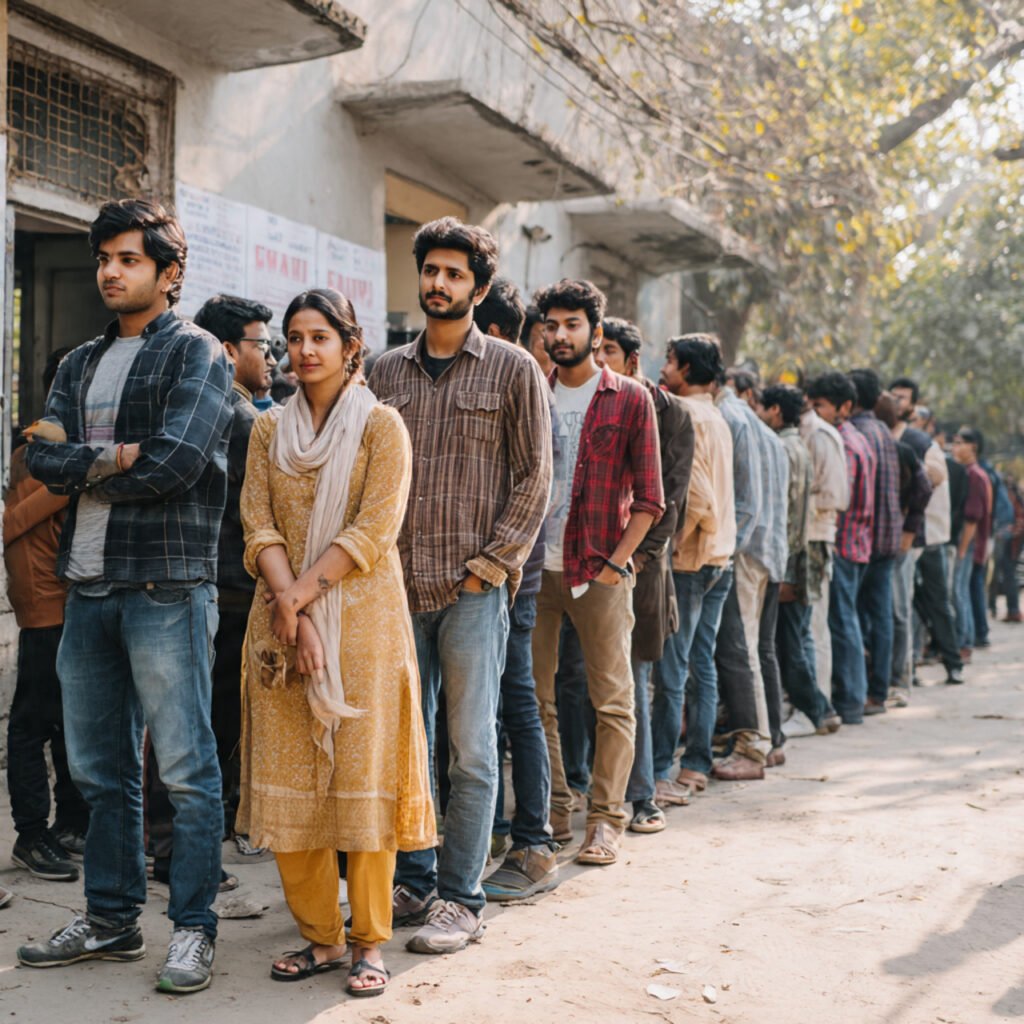
Economic Factors Behind the Vote
Economic concerns played a major role in shaping voter decisions.
Issues such as:
- inflation and rising costs
- job creation
- access to public services
- regional economic development
have become central to electoral outcomes. Parties that addressed these concerns effectively were more likely to gain support.
Media and Campaign Strategies
The election also highlighted the evolving role of media and campaign strategies.
Modern campaigns rely heavily on:
- digital platforms
- targeted messaging
- real-time engagement with voters
This has changed how political narratives are built and how quickly they can shift.
Historical Context
Tamil Nadu has a long history of strong regional politics, with parties like Dravida Munnetra Kazhagam and All India Anna Dravida Munnetra Kazhagam shaping the state’s political identity for decades.
The 2026 results continue this tradition while also reflecting new trends, including:
- changing voter demographics
- evolving economic priorities
- increasing political competition
What Comes Next
The immediate focus will be on government formation and policy direction within Tamil Nadu.
However, the broader implications will unfold over time, including:
- influence on upcoming elections in other states
- shifts in national political alliances
- policy adjustments at the central level
Observers will be watching closely to see how these dynamics develop.

Conclusion
The 2026 election results in Tamil Nadu represent more than a routine political event they mark a significant moment in India’s evolving democratic landscape. By reinforcing the strength of regional parties and highlighting changing voter priorities, the election has reshaped expectations for both state and national politics.
As India continues to navigate complex political challenges, the lessons from Tamil Nadu will likely influence strategies, alliances, and governance approaches across the country.
Related News

Trump Jeffries impeachment comment voting rights
May 4, 2026 | by mavia fazal
Monday, May 4, 2026 Trusted by millions worldwide Back to News Politics Trump goes after Jeffries after Supreme Court voting...
Read More → 
Trump Hormuz shipping plan US support
May 4, 2026 | by mavia fazal
Monday, May 4, 2026 Trusted by millions worldwide Back to News Politics Trump Announces Plan to Get Ships Out of...
Read More →