
Sunday, May 3, 2026
Trusted by millions worldwide
Politics
Tandläkare in Sweden: Why Dentistry Has Become a High-Demand Future Career
Tandläkare in Sweden is in high demand as healthcare shortages grow. Explore salaries, jobs, education, and future dentistry career opportunities.
A Quiet Healthcare Shift That Is Reshaping Sweden’s Job Market
Sweden’s healthcare system is entering a structural transition that is increasingly difficult to ignore. While global attention often focuses on doctors and nurses, a quieter but equally critical shortage is emerging in dental care. The profession of tandläkare in Sweden dentists has moved from a stable medical career to one of the most strategically important roles in the country’s healthcare ecosystem.
What makes this shift significant is not just demand, but urgency. Public and private clinics across Sweden are reporting long waiting times for dental appointments, staffing gaps in rural regions, and rising pressure on urban dental centers. Consequently, dentistry jobs in Sweden are no longer just career options they are becoming essential services in a strained system.
Why Dentist Demand in Sweden Is Increasing Rapidly
Several structural factors are driving the growing dentist demand in Sweden. First, Sweden has an aging population, which naturally increases the need for complex dental treatments, prosthetics, and preventive care. Older populations require more frequent interventions, placing long-term pressure on dental services.
Second, a wave of retirements among experienced dental professionals is creating gaps that new graduates are not filling quickly enough. This imbalance has created what policymakers now describe as a Sweden skilled worker shortage dentistry issue.
Third, population mobility and immigration have expanded demand in urban areas, particularly in Stockholm, Gothenburg, and Malmö, where clinics often report fully booked schedules weeks in advance.
Together, these factors are reshaping Sweden healthcare shortage jobs, placing dentistry firmly in the category of high-priority medical professions.

Dentistry Jobs in Sweden: What the Career Landscape Looks Like
The Sweden job market healthcare sector is known for stability, but dentistry stands out even within this environment. Unlike many professions that fluctuate with economic cycles, dental care remains consistently essential.
For those exploring Sweden dental career opportunities, the system offers both public healthcare positions and private clinic roles. Public clinics often provide structured working hours, predictable salaries, and strong professional development systems. Private clinics, meanwhile, offer higher earning potential and more flexible practice models.
mportantly, working as a tandläkare in Sweden also includes strong patient-centered care models. Preventive dentistry is heavily emphasized, meaning professionals are not only treating disease but also actively managing long-term oral health strategies.
Becoming a Dentist in Sweden: Education and Pathway
Understanding dental education in Sweden is essential for anyone considering this career path. Becoming a licensed dentist is a structured but competitive process.
Typically, candidates must complete a dentistry degree from a recognized Swedish university. Programs are highly regulated, combining theoretical medical sciences with extensive clinical practice. Universities such as those in Stockholm, Gothenburg, and Malmö are central to training the country’s dental workforce.
For internationally trained professionals, becoming a dentist in Sweden involves a licensing process that may include language proficiency requirements, clinical assessments, and adaptation programs. Swedish is a critical requirement since patient communication is central to medical practice.
This structured pathway ensures that dental professionals meet high national standards, but it also contributes to slower workforce replenishment one of the reasons Sweden healthcare shortage jobs continue to expand.
Salary of Dentist in Sweden: Financial Perspective
One of the strongest motivators behind dentistry career growth Sweden is compensation. While salaries vary depending on experience, region, and public or private employment, dentists in Sweden generally earn competitive incomes compared to many European counterparts.
Entry-level dentists in public clinics typically start with stable salaries aligned with national healthcare agreements. With experience, particularly in private practice or specialized dentistry, income levels can increase significantly.
Beyond base salary, additional benefits such as paid leave, pension contributions, and professional development funding make dentistry one of the most financially stable best medical careers in Sweden.
However, financial reward is only part of the equation. Work-life balance, professional autonomy, and job security also play a major role in attracting both domestic and international professionals.
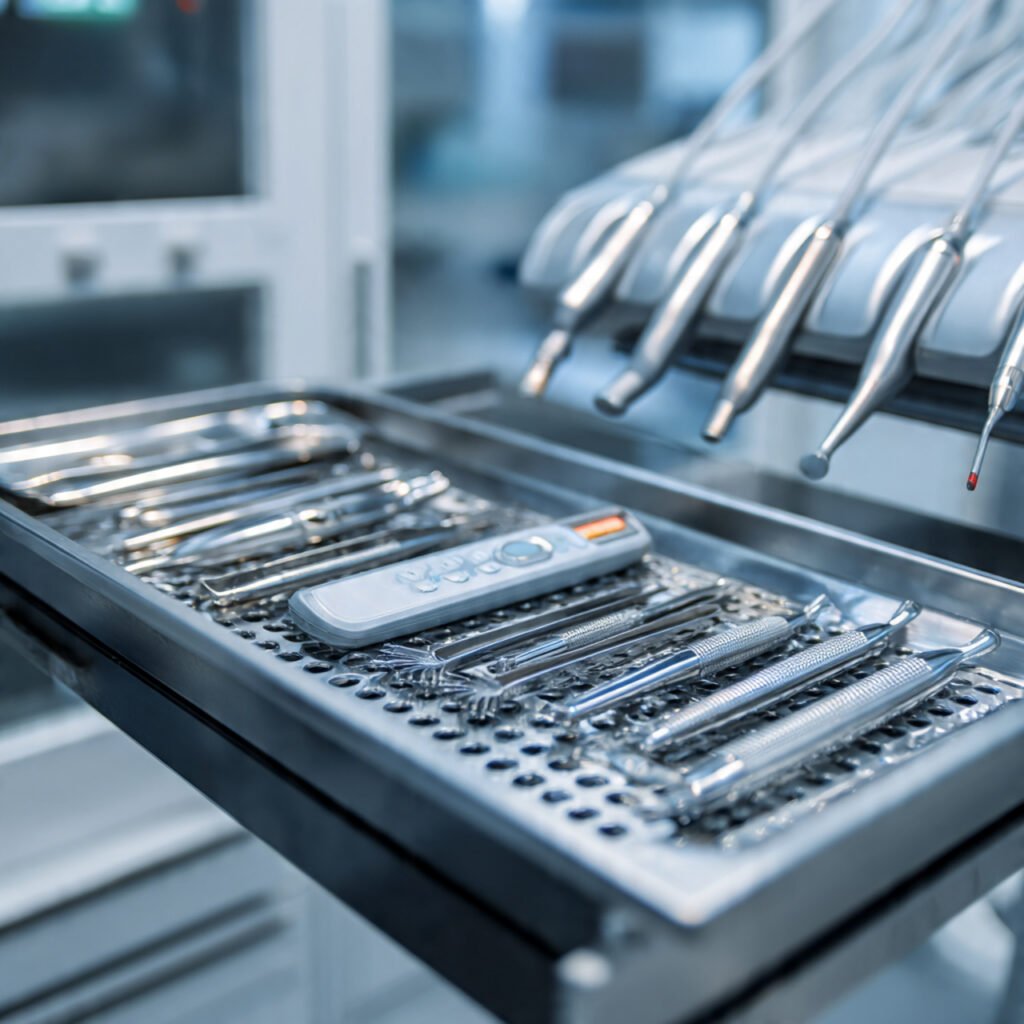
Sweden Dental Professionals Demand: A System Under Pressure
The rising Sweden dental professionals demand is not uniform across the country. Urban centers face high patient volumes, while rural regions struggle with severe shortages.
In smaller municipalities, patients often wait months for routine dental care. This imbalance has prompted government and regional health authorities to explore incentives for professionals willing to relocate outside major cities.
At the same time, Sweden’s commitment to universal healthcare ensures that dental services remain accessible, which further increases system pressure. Unlike purely private markets, demand is not self-correcting through price mechanisms, making workforce planning a critical challenge.
What Mainstream Coverage Often Misses
Most discussions about healthcare in Sweden focus on doctors, nurses, or hospital capacity. However, dentistry is often underreported despite its growing systemic importance.
One overlooked factor is preventive economics. Poor dental health is directly linked to broader health complications, including cardiovascular conditions and diabetes-related complications. This means that shortages in dentistry do not remain isolated they indirectly increase pressure on other healthcare sectors.
Another underreported dynamic is migration. Sweden has increasingly relied on internationally trained dentists, but integration processes are slow and resource-intensive. This creates a lag between demand and workforce availability that is rarely highlighted in mainstream analysis.
Future Careers in Sweden Healthcare: Dentistry’s Long-Term Outlook
Looking ahead, future careers in Sweden healthcare will be shaped by demographic and technological change. Dentistry is expected to evolve in three key directions:
- Digital dentistry expansion – increased use of imaging, AI diagnostics, and 3D printing for prosthetics.
- Preventive care models – shifting focus from treatment to long-term oral health management.
- Regional workforce redistribution – incentives to balance urban-rural dentist availability.
These trends suggest that dentistry will not only remain relevant but become more technologically advanced and strategically important within Sweden’s healthcare system.
Conclusion: A Career Defined by Stability and Strategic Importance
The rise of tandläkare in Sweden as a high-demand profession reflects deeper structural changes in the country’s healthcare system. It is not simply a story of job availability, but of demographic pressure, systemic imbalance, and evolving healthcare priorities.
While dentistry jobs in Sweden offer strong financial and professional incentives, the broader significance lies in their essential role in maintaining public health infrastructure.
Ultimately, dentistry in Sweden is no longer a niche medical path it is a frontline profession in a healthcare system under transformation. Those entering the field are not just choosing a career; they are stepping into a system where demand is not expected to decline, but to intensify.
Related News

Tamil Nadu election results 2026 analysis
May 4, 2026 | by mavia fazal
Monday, May 4, 2026 Trusted by millions worldwide Back to News Politics Tamil Nadu Election Results 2026: A Political Earthquake...
Read More → 
Tottenham midfield performance 2026 analysis
May 4, 2026 | by mavia fazal
Monday, May 4, 2026 Trusted by millions worldwide Back to News Sports tottenham believe again and it’s all down to...
Read More →