playstation plus june 2026 games
Thursday, May 20, 2026 Trusted by millions worldwide Back to News Tech PlayStation Plus Subscribers Are About to Lose Another...
Read More → Sunday, May 3, 2026
Trusted by millions worldwide
America turns against Iran war Canada opposition At the same time, the situation across the border tells a very different story. In Canada, opposition to the war was never a late development it was the dominant position from the very beginning. This contrast reveals more than just differing opinions; it highlights deeper differences in political culture, foreign policy priorities, and public expectations.
America turns against Iran war Canada opposition Public opinion around the Iran war is shifting rapidly, especially in the United States. What began as a controversial military decision has now evolved into a broader political and social debate, with growing numbers of Americans questioning the purpose, cost, and outcome of the conflict.
At the same time, the situation across the border tells a very different story. In Canada, opposition to the war was never a late development it was the dominant position from the very beginning. This contrast reveals more than just differing opinions; it highlights deeper differences in political culture, foreign policy priorities, and public expectations.
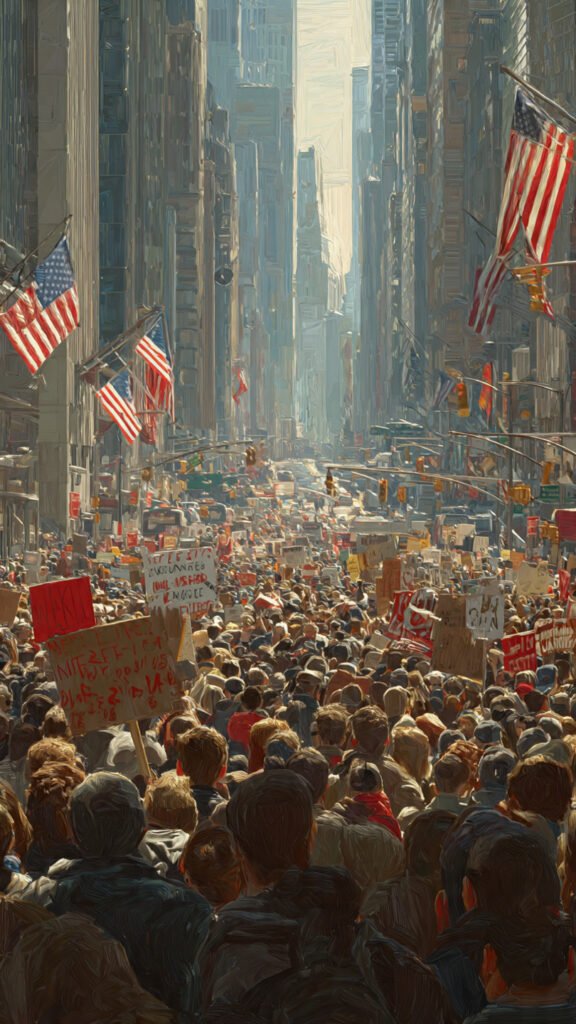
Recent polling shows a clear trend: Americans are increasingly turning against the war. A Washington Post–ABC–Ipsos survey found that around 61% of Americans consider the military action against Iran a mistake, with disapproval levels comparable to some of the most unpopular wars in modern U.S. history.
This shift is significant because it did not take years to develop. Unlike previous conflicts, where public support remained strong at the outset, skepticism toward the Iran war emerged early and has continued to grow.
In fact, early data already showed limited enthusiasm. In some surveys, fewer than half of Americans supported the war from the beginning, marking a sharp contrast with earlier conflicts like Iraq or Afghanistan.
The decline in support is driven by several overlapping factors, each reinforcing the other.
First, there is economic pressure. Rising fuel prices and broader financial uncertainty have made the cost of the conflict more visible to everyday citizens. When international conflict begins to affect domestic life, public tolerance tends to drop quickly.
Second, there is a lack of clear objectives. Analysts and policymakers have pointed out that the war has struggled to define a consistent end goal, which creates uncertainty about how and when it will conclude.
Third, there is war fatigue. After decades of involvement in overseas conflicts, many Americans are less willing to support another prolonged engagement, especially in the Middle East. Surveys show that majorities across political lines prefer avoiding deeper military involvement.
Another key factor is political polarization. While some segments of the population continue to support the war, others strongly oppose it, creating a divided national response.
This lack of unity is unusual compared to earlier wars, which often began with broad bipartisan support. In contrast, the Iran conflict has been marked by disagreement from the start, both among voters and within political institutions.
Even within government, debates over authorization and strategy have highlighted the lack of consensus, further influencing public perception.
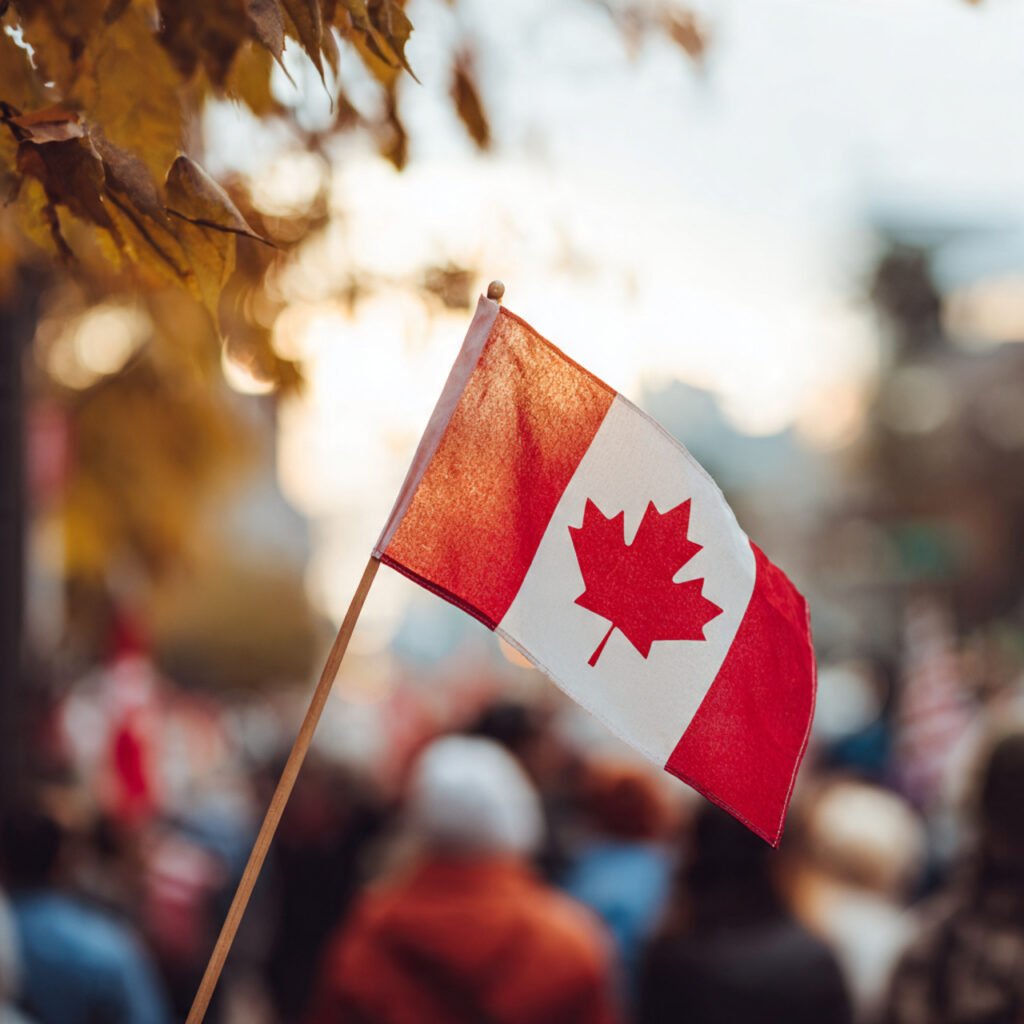
While American opinion is shifting, Canada’s stance has been consistent.
Polling data shows that a majority of Canadians opposed U.S. military action against Iran from the outset. One survey found that around 61% disapproved, with strong concerns about escalation and potential involvement.
Other studies suggest even stronger opposition, with roughly three-quarters of Canadians rejecting the idea of participating in the conflict.
This consistency is striking. Unlike in the United States, where opinion has evolved over time, Canadian public sentiment has remained largely stable.
Understanding this difference requires looking at broader national perspectives.
One major factor is foreign policy tradition. Canada has historically emphasized diplomacy, multilateral cooperation, and conflict resolution through international institutions. Military engagement is typically seen as a last resort rather than a primary strategy.
There is also a cultural dimension. Canadian public opinion often places a strong emphasis on humanitarian considerations and risk avoidance, particularly when conflicts do not directly involve national security.
Additionally, there is a practical concern about involvement. Many Canadians expressed fear that participation in the war could put their own military personnel at risk, which reinforced opposition.
The contrast also reflects differing views on global leadership.
In the United States, there is often an expectation that the country should play a leading role in international security matters. This can translate into greater willingness at least initially to support military action.
In Canada, the approach tends to focus more on partnership and collective action, rather than unilateral intervention. This difference shapes how each country responds to global conflicts.
Economic consequences have played a major role in shaping attitudes on both sides of the border, but the timing differs.
In the United States, rising costs especially fuel prices have contributed to declining support as the war progresses.
In Canada, concerns about economic impact were present from the beginning. Many Canadians viewed the conflict as likely to disrupt global markets without delivering clear benefits, reinforcing early opposition.
Public trust also plays an important role.
In the United States, debates over strategy, objectives, and communication have influenced how the war is perceived. Conflicting messages from leaders and ongoing political disputes have made it harder to build sustained support.
In Canada, clearer messaging about non-involvement helped establish a consistent national position, reducing uncertainty and reinforcing public opinion.
The differences between the U.S. and Canada are part of a larger trend across Western countries.
In many cases, public support for military interventions has declined over time, especially when conflicts are perceived as:
This reflects a broader shift toward caution in foreign policy.
The growing opposition in the United States suggests that public opinion could play a significant role in shaping future decisions about the conflict.
At the same time, Canada’s consistent stance highlights the importance of early public consensus in determining long-term policy direction.
If current trends continue, the gap between initial decision-making and public opinion may become a defining feature of modern conflicts.

The shift in American opinion on the Iran war underscores how quickly public sentiment can change when economic pressures, political divisions, and strategic uncertainty come together. What began as a contested decision is now facing widespread skepticism.
In contrast, Canada’s early and sustained opposition reflects a different approach to global conflict one rooted in caution, diplomacy, and risk awareness.
Together, these perspectives offer insight into how two closely connected countries can respond very differently to the same international crisis, revealing deeper differences in how they view war, leadership, and global responsibility.