
playstation plus june 2026 games
Thursday, May 20, 2026 Trusted by millions worldwide Back to News Tech PlayStation Plus Subscribers Are About to Lose Another...
Read More → Saturday, May 2, 2026
Trusted by millions worldwide
Trump pipeline permit Canadian oil BC coast impact This development touches on economics, geopolitics, environmental policy, and the long-standing debate over how Canada should move its oil to global markets.
Trump pipeline permit Canadian oil BC coast impact A newly authorized pipeline permit backed by Donald Trump is reshaping the conversation around Canadian oil exports and North American energy flows. The decision could significantly expand the capacity for Canadian crude to move south into the United States—raising an important question: what happens to long-debated pipeline routes heading west to British Columbia’s coast?
This development touches on economics, geopolitics, environmental policy, and the long-standing debate over how Canada should move its oil to global markets.
The newly approved pipeline framework focuses on increasing cross-border oil transport between Canada and the United States. It is widely seen as opening the door for:
While details continue to emerge, the broader impact is already being debated.
Canada produces large amounts of crude oil, particularly from Alberta’s oil sands, but faces ongoing challenges in transporting it efficiently to global markets.
Key issues include:
These challenges have driven years of debate over pipeline expansion.
The United States remains Canada’s largest energy trading partner.
Benefits of exporting to the U.S.:
The new permit strengthens this relationship further.
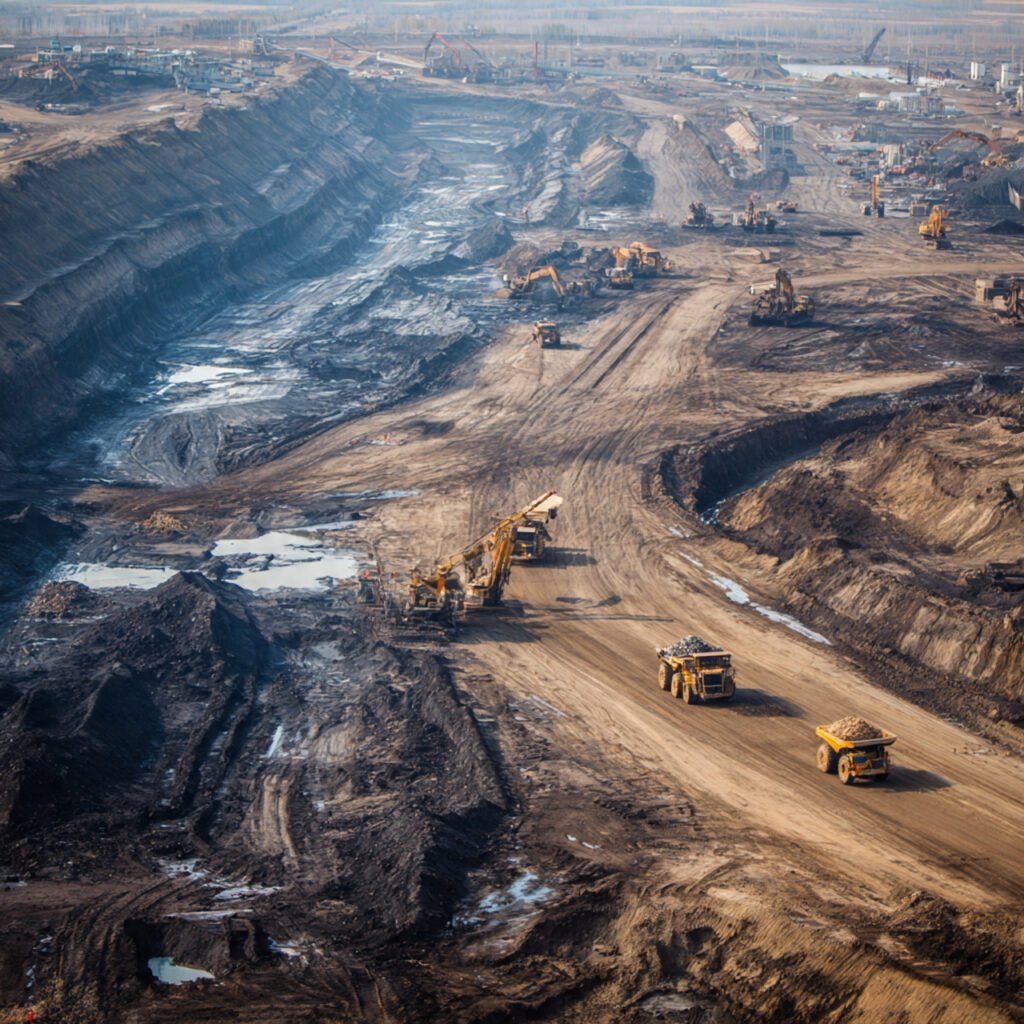
For years, Canada has explored westward pipeline routes to British Columbia’s coast to access Asian markets. Projects such as the Trans Mountain pipeline expansion have been central to this strategy.
Goals of west coast pipelines:
However, these projects have faced significant hurdles.
Pipeline expansion to the B.C. coast has been one of the most controversial issues in Canadian energy policy.
Key concerns:
These challenges have slowed progress on westward routes.
The new U.S.-focused pipeline permit could shift the economic and strategic balance.
Potential impacts:
This raises questions about long-term strategy.
Choosing between U.S. routes and B.C. coast pipelines involves trade-offs.
U.S. route advantages:
B.C. route advantages:
Balancing these factors is complex.
One of the key issues for Canadian oil producers is pricing.
Challenges include:
West coast pipelines could improve pricing, while U.S. routes offer stability.
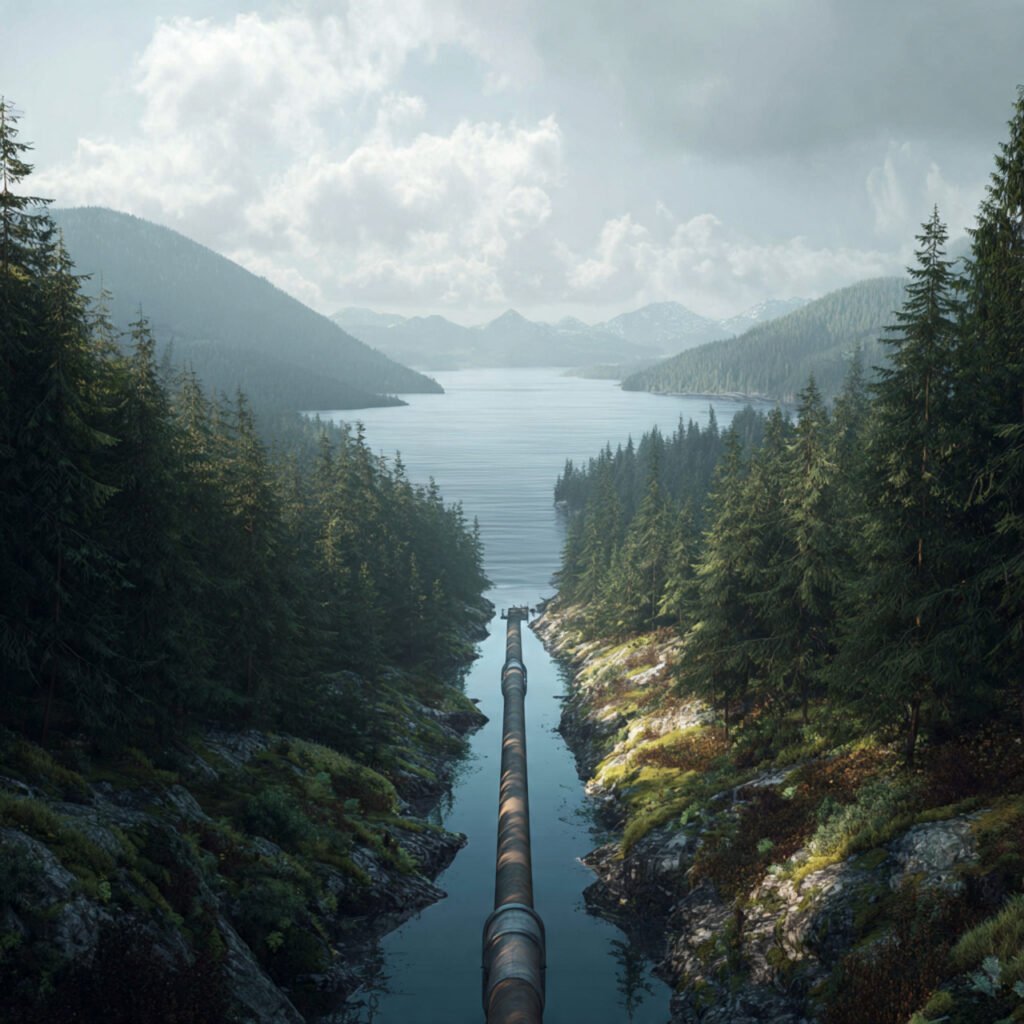
Environmental policy plays a major role in pipeline decisions.
Key factors:
These considerations influence both U.S. and Canadian projects.
Indigenous communities are key stakeholders in pipeline development.
Important issues:
Their role is central to project approval and legitimacy.
The pipeline permit reflects broader trends in North American energy integration.
Key features:
This integration shapes long-term strategy.
Energy companies are closely analyzing the implications of the new permit.
Likely responses:
Industry decisions will shape outcomes.
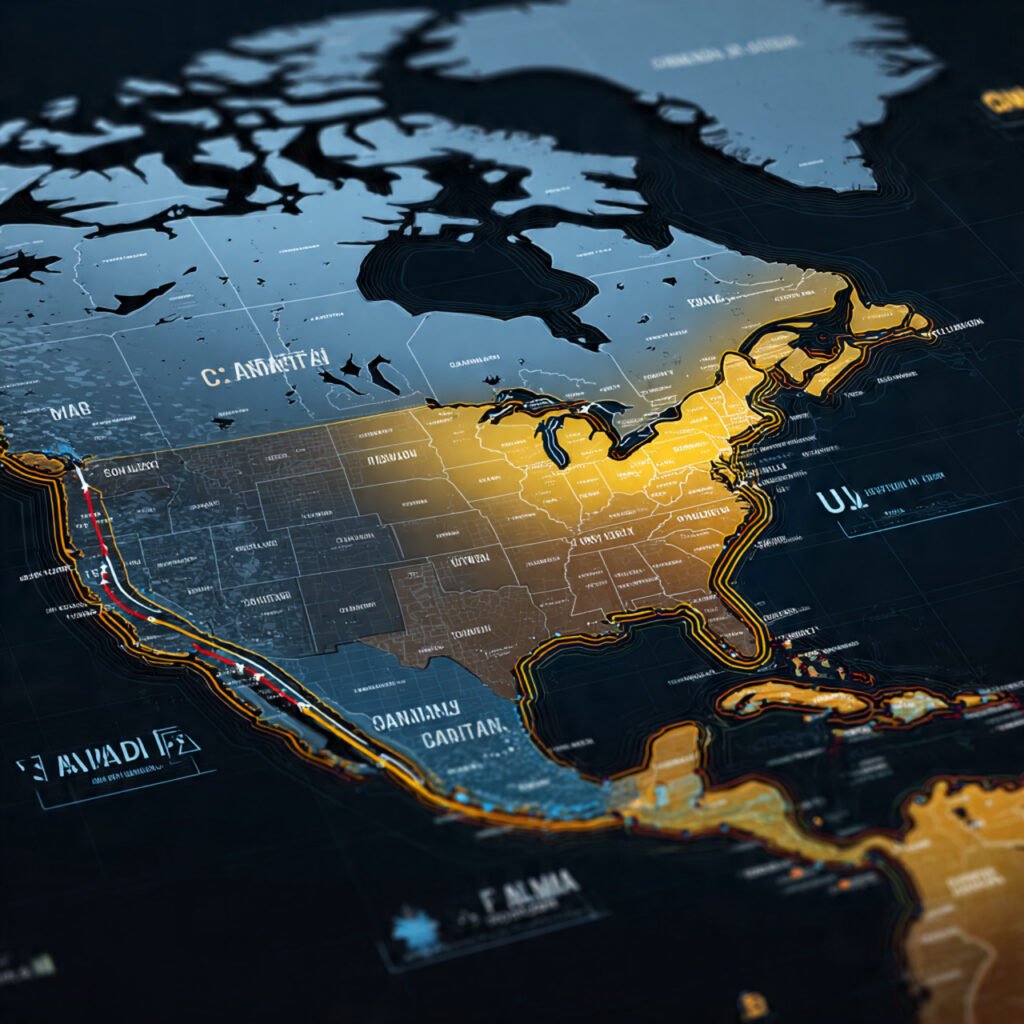
The situation raises several important questions for Canada’s energy future.
Key questions:
These questions remain unresolved.
The decision comes at a time of shifting global energy dynamics.
Key trends:
These factors influence Canada’s strategy.
Despite the new U.S. pipeline opportunity, west coast projects are unlikely to disappear entirely.
Possible scenarios:
The future remains uncertain.
The pipeline permit supported by Donald Trump has opened new opportunities for Canadian oil exports to the United States, potentially easing transportation bottlenecks and boosting short-term economic gains. However, it also raises important questions about the future of pipeline routes to British Columbia’s coast.
As Canada weighs its options between expanding U.S. exports and pursuing global market access, the decision will have lasting implications for the country’s energy strategy, environmental policy, and economic future.