
playstation plus june 2026 games
Thursday, May 20, 2026 Trusted by millions worldwide Back to News Tech PlayStation Plus Subscribers Are About to Lose Another...
Read More → Thursday, Aprail 30, 2026
Trusted by millions worldwide
Homeland Security funding bill 2026 Lawmakers are working to address funding gaps while balancing budget priorities, policy considerations, and political differences. The urgency reflects the critical role DHS plays in national security, border protection, and emergency response.
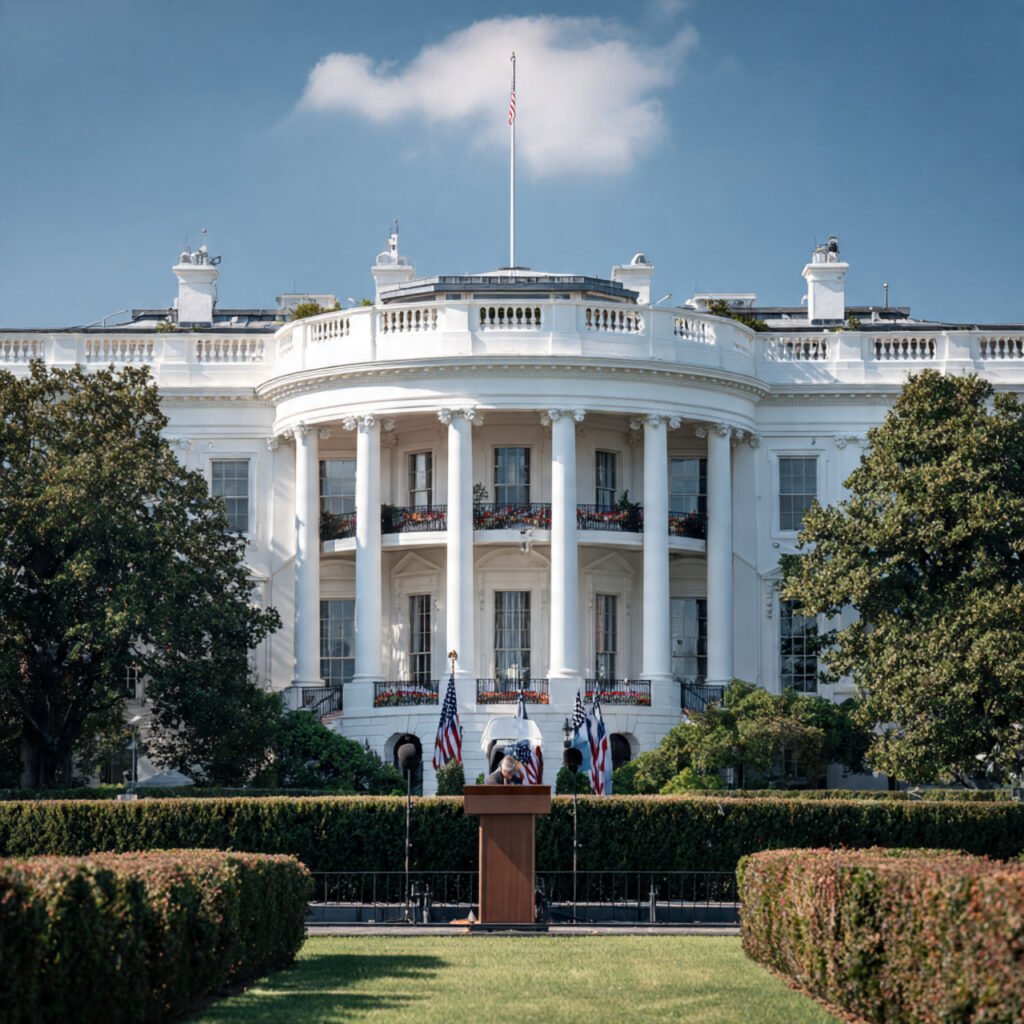
Homeland Security funding bill 2026 The U.S. House of Representatives has taken a key step toward funding the Department of Homeland Security (DHS), as the White House warns that available funds could soon be exhausted. The development comes amid ongoing negotiations over federal spending and concerns about maintaining essential government operations.
Lawmakers are working to address funding gaps while balancing budget priorities, policy considerations, and political differences. The urgency reflects the critical role DHS plays in national security, border protection, and emergency response.
The Department of Homeland Security is responsible for a wide range of national security functions. Ensuring consistent funding is essential for maintaining operations.
Core responsibilities include:
Funding disruptions could affect these areas.
The House has advanced a measure aimed at securing funding for DHS. This step is part of the broader federal budget process.
Key aspects of the action:
This marks progress in negotiations.
The White House has issued a warning that DHS funding could run out if action is not taken soon. Such warnings are often used to emphasize urgency.
Main concerns include:
These highlight urgency.

Funding decisions require agreement between lawmakers. Negotiations often involve compromises on spending levels and policy priorities.
Negotiation factors:
These shape outcomes.
If funding is not approved in time, parts of the government may face shutdown risks. DHS is considered essential but could still face limitations.
Shutdown implications:
These increase pressure.
DHS plays a central role in protecting the country. Stable funding ensures readiness and response capabilities.
Security areas:
These are critical functions.
Funding bills often involve political debate. Lawmakers may disagree on priorities, funding levels, and policy conditions.
Debate topics:
These influence legislation.
Budget deadlines create pressure for lawmakers to act quickly. Delays can increase risks of funding gaps.
Timeline factors:
These determine pace.
DHS is one of several agencies affected by funding decisions. Budget uncertainty can influence planning and operations.
Agency impacts:
These affect efficiency.
Maintaining funding for DHS is linked to public safety. Programs and services rely on consistent support.
Safety priorities:
These require resources.
Government funding disputes are not new. Past negotiations have led to temporary funding measures and shutdowns.
Historical patterns:
These provide context.
Funding uncertainty can affect economic stability. Markets and businesses often monitor government spending developments.
Economic effects:
These influence economy.

Several outcomes are possible depending on negotiations.
Scenarios include:
These remain uncertain.
After House action, the Senate must also consider the funding bill. Both chambers must agree for legislation to pass.
Senate role:
This completes process.
Funding bills often require cooperation between political parties. Agreement is necessary to avoid disruption.
Cooperation benefits:
These support outcomes.
The House’s move toward funding the Department of Homeland Security highlights the urgency of federal budget negotiations as the White House warns of a potential funding shortfall. With critical national security responsibilities at stake, lawmakers face pressure to reach an agreement that ensures continuity of operations. The outcome of these negotiations will play a key role in shaping government stability and public safety in the coming months.